Eating Gluten-Free in Xinjiang: A Realistic Guide
When I told a Kashgar restaurateur I could not eat wheat, he looked at me like I had announced I was giving up oxygen. Xinjiang is a wheat civilization: naan, laghman, samsa, polo-adjacent breads. For a celiac or anyone avoiding gluten, the first day can feel like a starvation campaign. But I ate well for a full week, lost zero weight, and learned exactly where the traps are. This is the guide I wish I had packed.
The Hard Truth: Xinjiang Runs on Wheat
Be honest with yourself before you land. Noodles, flatbreads, and dumplings are the backbone of every menu, and most kitchens use the same cutting boards, woks, and oil for wheat and non-wheat dishes. If you are strictly celiac, cross-contact is the real enemy, not the occasional obvious bread. Your strategy is to build meals around naturally gluten-free staples and to communicate clearly at each stop.
What You Can Eat Without Worry
Rice-Based Dishes
Polo (pilaf) is rice with carrot, lamb, and onion, cooked in oil, not broth thickened with flour. Shorpa is a meat-and-vegetable soup that, in its home-style version, is just meat, water, and vegetables. Naren pairs hand-pulled noodles with a meat sauce, so it is out, but its rice cousins are safe. Plain steamed rice topped with grilled meat is everywhere and always a fallback.
Meat, Dairy, and Eggs
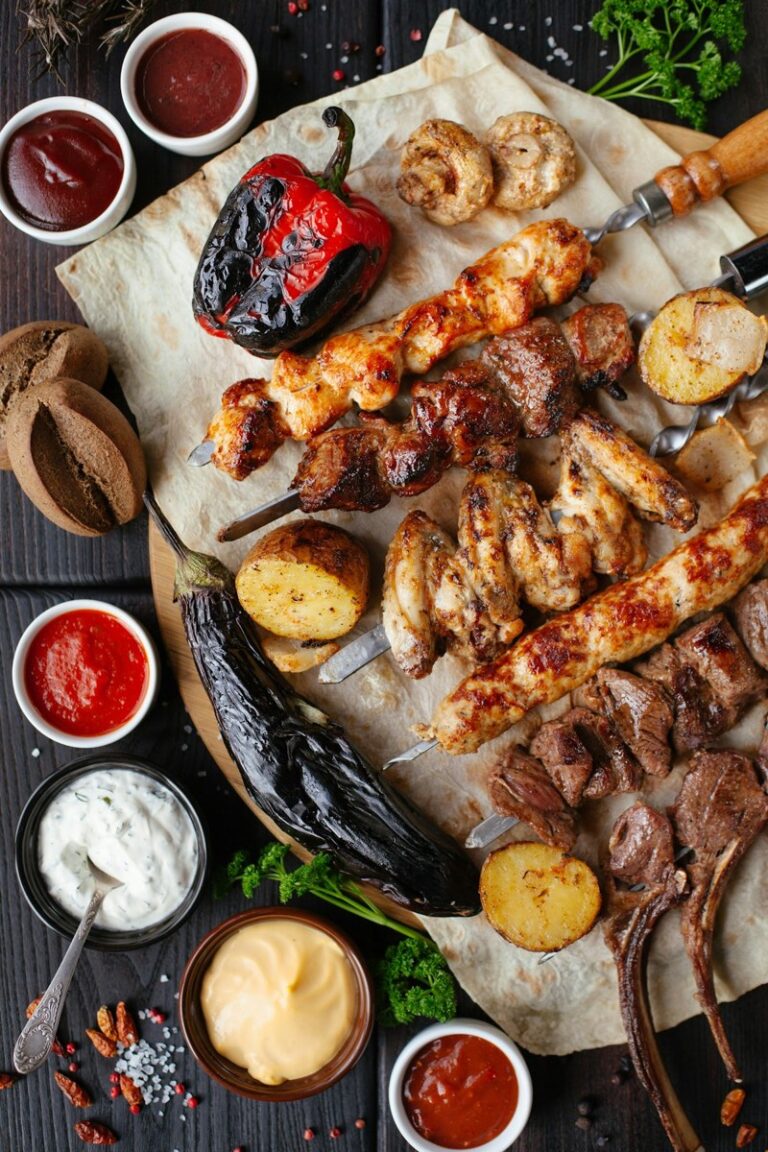
Grilled kawap (lamb skewers), whole roast lamb, boiled mutton, and fresh cheese and yogurt are naturally gluten-free. Ask that nothing be dusted with flour before grilling, which some Hui-run stalls do to crisp the surface. Plain fried eggs and the ubiquitous fruit and melon plates make easy, safe snacks.
Fruits, Nuts, and Dried Goods
Xinjiang’s grapes, melons, apricots, walnuts, and almonds are gluten-free and spectacular. Buy them whole from markets rather than pre-mixed “trail mix” blends that may carry barley malt or wheat-based crispies.
The Hidden Gluten Traps
Soy Sauce and Marinades
Some urban restaurants use soy sauce (wheat) in marinades for beef or in stir-fries. In Urumqi and bigger cities this is common; in village grills it is rare. If a dish looks sauced, ask. The rule of thumb: dry spice rubs are safe, glossy brown sauces are suspect.
Shared Fryers and Griddles
A samsa oven is fine, but a griddle that sears naan next to your egg will cross-contact. For strict celiacs, grilled-over-coals meat and separately boiled rice are the safest bets because they touch only fire, water, and a clean plate.
Gluten-Free Scorecard
| Dish | Gluten-free? | What to watch |
|---|---|---|
| Polo / pilaf | Yes | Plain rice + lamb; no bread mix |
| Grilled kawap (lamb skewers) | Yes | Request no flour dusting |
| Shorpa (meat soup) | Usually | Confirm no noodle or roux add |
| Laghman / la-mian noodles | No | Wheat dough by definition |
| Naan / samsa | No | Wheat flatbreads and pastries |
| Fresh fruit & nuts | Yes | Buy whole, not blended mixes |
How I Ate Gluten-Free for a Week
I opened with rice-and-grilled-meat at a small Urumqi spot, then repeated the pattern everywhere: point at the lamb, the rice, the tomatoes; mime “no bread, no sauce.” In the vegetarian and vegan guide you will find more plant-forward ideas that also work for wheat-free eaters, like lentil stews and stuffed vegetables where you skip the grain side. I carried a translated note on my phone that said “I cannot eat wheat or gluten, it makes me very sick,” and showing it removed 90 percent of the confusion.
Talking to Cooks
A short phrase helps: “wo bu chi mianjin” (I do not eat gluten/wheat). Pair it with the universal hand signal of writing in the air and shaking your head. In my experience Uyghur and Kazakh home cooks are proud of their rice and meat dishes and happy to serve you a clean plate once they understand the restriction is medical, not picky.
Eating in Uyghur Homes and Yurts
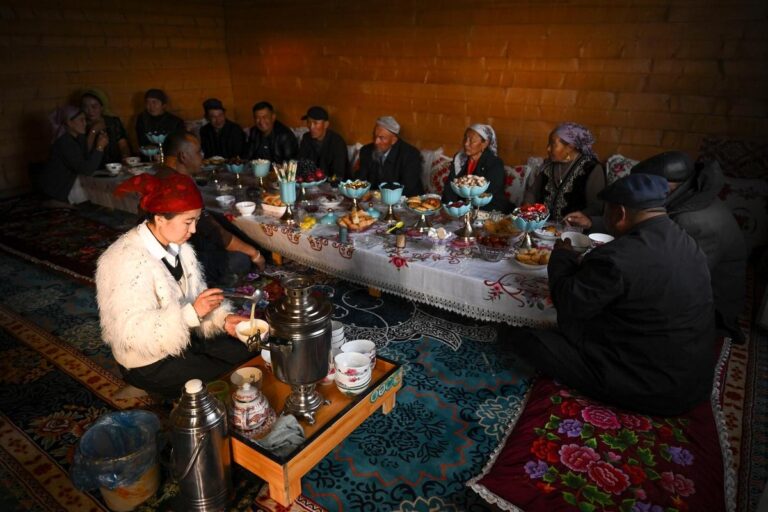
The easiest gluten-free meals of my trip were the ones I did not order from a menu at all. In a Kazakh yurt and later in a Uyghur courtyard I was served rice pilaf, boiled mutton, thick yogurt, and fresh fruit, with bread offered on the side and easily declined. Home cooking skips the soy sauce and the flour dusting that complicate restaurant food. If you are invited to eat, say clearly up front that you cannot have bread or noodles, and you will almost always be steered to the rice-and-meat core of the meal, which was there long before wheat became central to the region’s tables.
Reading Menus and Using Apps
In the larger cities, translation apps render Chinese menus well enough to spot the words for noodle (mian), flour (mianfen), and bread (bing). I learned to scan for “fan” (rice) and “kao” (roast or grill) as safe signals, then point. Where the menu was only in Uyghur or Arabic script, I simply gestured at the rice dish on another table and smiled. It is lower-tech than it sounds and it worked every single time. Keep the vegetarian guide bookmarked as well, because meat-free sections frequently double as your wheat-free section when you skip the grain side.
A Simple Daily Pattern That Worked
My dependable day went like this: yogurt and fruit for breakfast, grilled meat and rice for lunch at a roadside stop, and a repeat of rice-plus-lamb plus tomatoes for dinner, with nuts and a melon slice as the in-between snack. It is repetitive, but it is safe, filling, and honestly delicious. After a few days I stopped stressing and started enjoying the rhythm. The point is not to eat adventurously every meal; it is to build a small set of safe defaults and use them as your anchor while you learn each new kitchen.
What other travelers wrote in to ask
Is Xinjiang impossible for celiacs?
No, but it demands intention. Stick to rice, grilled meat, dairy, and whole fruit, communicate in writing, and avoid sauced urban stir-fries. You will eat well.
Are naan and laghman off the table completely?
For strict celiacs, yes. Both are wheat. Cross-contact in shared ovens makes even “a bite” risky.
Can I find gluten-free products in supermarkets?
In Urumqi and a few big cities, imported gluten-free labels exist in international sections, but do not rely on it outside the capital. Whole foods are your safest supply.
Is soy sauce common in Xinjiang cooking?
More in city Chinese restaurants than in Uyghur grills. Village and roadside meat stalls rarely use it, which is why grilled food is your friend.
What about breakfast?
Skip the naan-and-tea default and ask for plain yogurt, boiled eggs, and fresh fruit. Many hotels offer these without wheat if you request them.
Should I bring my own snacks?
Yes. A small stash of gluten-free bars or nuts from home covers long drives between towns where options thin out.