Altay, Xinjiang: A Traveler’s Guide to the Northern Frontier’s Mountains, Lakes, and Forests
Altay Xinjiang: A Traveler’s Guide to the Northern Frontier’s Mountains, Lakes, and Forests
Altay Xinjiang is the northernmost prefecture of the region, where the Altai range meets three borders.

1. Hook: The Northern Frontier in Public Records
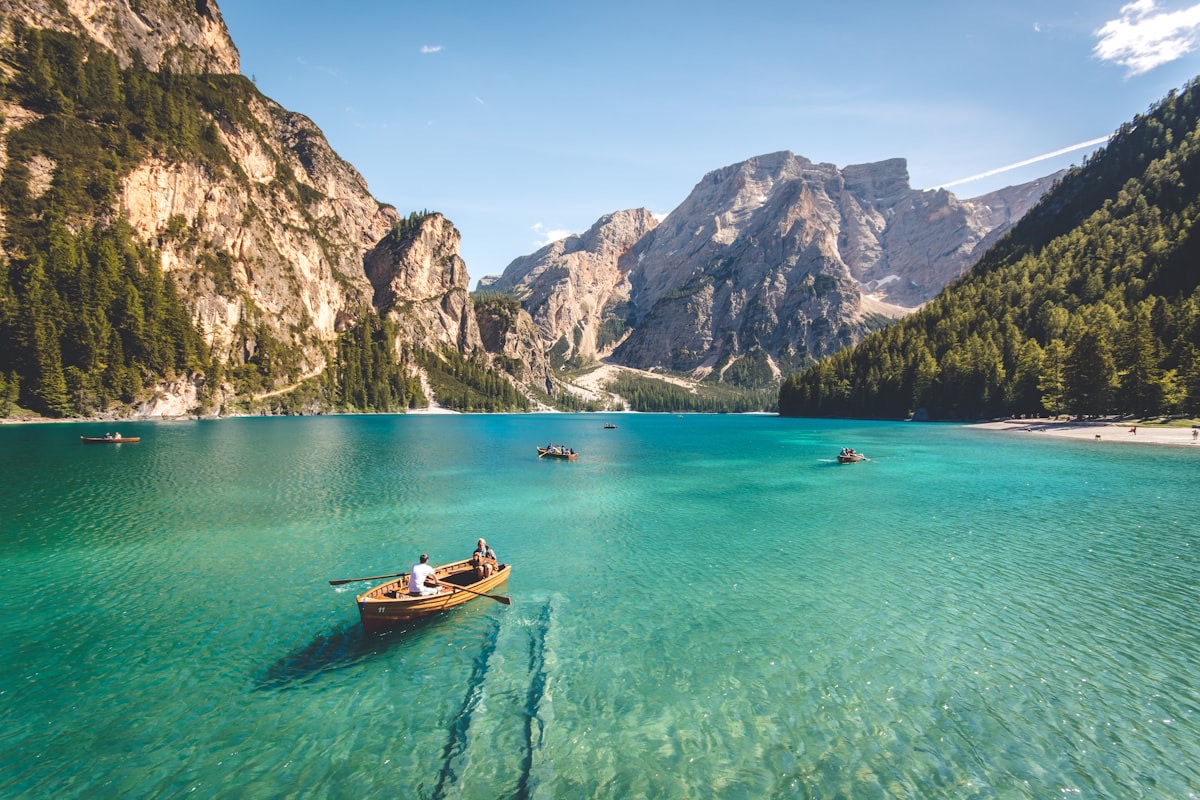
This guide is compiled from public tourism sources, park official information, and traveler reports. The author has not personally visited every site described. Altay Xinjiang sits at the far northwest of China, where the Altai mountain range meets the borders of Mongolia, Russia, and Kazakhstan. Official sources state the region covers alpine lakes, glacial rivers, and some of the densest birch and spruce forest in Xinjiang. Travelers report that the scenery changes sharply by season, from green summer pastures to golden October birch groves.
What follows is a practical, fact-checked overview rather than a personal diary. Prices, routes, and rules below come from park notices and recent visitor accounts. Readers should confirm details with official channels before booking, since remote northern Xinjiang mountains can change access rules without much advance notice.
2. Overview & Key Facts: Altay Xinjiang
The Altay Xinjiang prefecture is the northernmost part of Xinjiang. It is known for the Kanas Geopark, the Hemu Village timber cabins, and the granite peaks of Koktokay (Keketuohai). The Altay region forms part of the larger Altai range that stretches across several countries. Official sources state the area is a protected ecological zone with limited daily visitor caps at peak sites.
Key facts gathered from public records:
- Location: northern Xinjiang, bordering Mongolia, Russia, and Kazakhstan.
- Main hubs: Altay City (airport), Beitun, and the Kanas scenic area entrance at Jiadengyu.
- Elevation: valleys around 1,200 meters; surrounding peaks above 3,000 meters.
- Climate: cold continental; long winters, short warm summers.
- Language and signage: Mandarin widely used; some Kazakh and Mongolian place names.
The three headline destinations of Altay Xinjiang each reward a different kind of visitor. Kanas Geopark draws those who want the famous lake and its three bays; Hemu Village appeals to travelers chasing timber cabins, birch light, and quiet mornings; Koktokay offers granite peaks and the so-called “crying river” for hikers. Official sources state that the zone is part of a national geopark designation, which is why conservation rules limit building and cap daily entries. Travelers report that spacing these three stops across at least three days keeps the driving sane.
3. Getting There
Travelers report three main ways to reach the Altay region. The fastest is flying. Altay Kanas Airport (AAT) runs seasonal flights from Urumqi and a few other cities. Official sources state flights increase in summer and autumn. From the airport, buses and private cars run to Jiadengyu, the gateway to Kanas Geopark.
The second option is train plus road. Beitun Station on the railway from Urumqi connects to Altay by road transfer. Travelers report the train plus bus combination is cheaper but slower than flying. The third option is a long-distance road trip from Urumqi, roughly 600 to 700 kilometers depending on the final stop. Winter driving is not recommended by official sources because of snow and closed passes.
Inside the scenic areas, travelers use park shuttle buses. Private cars are restricted on the core Kanas and Hemu roads during peak season. Official sources state timed entry and shuttle booking help manage crowds.
4. Tickets & Costs
The following prices reflect public notices and traveler reports from 2024 to 2025. Always confirm at the official window or app before purchase.
| Site | Entry (2024-2025) | Notes |
|---|---|---|
| Kanas Geopark | ~195 RMB as of 2025 | Often sold with shuttle bus; separate section tickets possible. |
| Hemu Village | 60 RMB | Plus shuttle from Jiadengyu on some tickets. |
| Koktokay (Keketuohai) | ~90-110 RMB as of 2024 | Park entry plus shuttle; prices vary by gate. |
| Kanas Lake boat | ~120 RMB | Optional; weather dependent. |
Travelers report that combined multi-day passes and shuttle bundles can reduce per-day cost. Accommodation inside the park costs more than stays in Altay City or Beitun. Official sources state student and senior discounts exist but require valid ID at the window.
5. Best Time to Visit
The Altay region has a short but dramatic travel season. Official sources state the most popular window is late September to mid October, when birch and larch forests turn gold. Travelers report that this period draws the heaviest crowds and the highest room prices.
Summer, from June to August, offers green pastures, open roads, and cooler temperatures than the Tarim basin. Winter, from November to March, brings deep snow and limited access, though some travelers report interest in snow sports and frozen-lake scenery. Spring is brief and muddy, with many trails still closed. For first-time visitors who want both access and color, early October remains the most cited choice in traveler reports.
6. Day-by-Day Itinerary
The schedule below is a common four-day loop reported by travelers and echoed in park materials. Times are typical shuttle and visiting windows, not guarantees.
| Day | Time | Plan |
|---|---|---|
| Day 1 | 09:00-18:00 | Fly to Altay or arrive Beitun; transfer to Jiadengyu; rest and buy park shuttle pass. |
| Day 2 | 08:00-17:00 | Enter Kanas Geopark; visit Kanas Lake, Moon Bay, and Fish Viewing Terrace; stay inside or near the park. |
| Day 3 | 07:00-16:00 | Morning in Hemu Village for sunrise and birch walks; afternoon shuttle to Koktokay area or return toward Beitun. |
| Day 4 | 09:00-15:00 | Visit Koktokay granite valley; depart Altay by flight or train in the evening. |
Official sources state shuttle buses inside Kanas and Hemu run on fixed loops, so early starts help avoid lines. Travelers report that adding a rest day improves comfort at altitude and in cold mornings.

Getting around inside the Altay tourism zone is shaped by the shuttle system. Travelers report that the most efficient base is to enter through the main gate, store the large luggage, and move between Kanas, Hemu, and Baihaba on the official buses. The distances look short on a Xinjiang region map but the mountain roads are slow. Official sources state that the zone caps vehicle numbers in peak season, which is why advance booking of the shuttle passes matters more than booking a rental car.
7. Where to Stay
Lodging options in the Altay region range from park cabins to city hotels. Travelers report that staying inside Kanas or Hemu costs more but saves shuttle time. Cabins in Hemu Village are rustic timber structures with basic heating. Official sources state that during October peak, rooms should be booked weeks ahead.
In Altay City and Beitun, travelers find standard hotels at lower prices and better food choice. For budget trips, the common pattern is to sleep in the city and enter the park for day visits. Official sources note that some guesthouses close in deep winter. Travelers report that heating, not luxury, is the main comfort factor in autumn nights.
8. What & Where to Eat Nearby
Altay Xinjiang food reflects Kazakh, Mongolian, and Han influences. Travelers report hearty meat and dairy dishes suited to cold weather. Common items include roasted lamb, hand-pulled noodles, milk tea, and fried bread. In Hemu and Kanas, small cafes and guesthouse kitchens serve simple plates at park prices.
Where to eat nearby: inside the scenic areas, options are limited and cost more; in Altay City and Beitun, travelers find larger restaurants and lower prices. Official sources state that some remote stalls accept cash only, so carry small bills. Vegetarian choices are limited in village areas, according to traveler reports, so plan ahead if needed.
The Altay region’s appeal is seasonal in a way that surprises first-time planners. Summer brings green alpine meadows and the highest visitor numbers, while October delivers the famous golden birch window that appears across nearly every photo of northern Xinjiang mountains. Winter turns Kanas and Hemu into snow-bound villages reachable only by permitted vehicles, and some boardwalks close. Travelers report that shoulder months like June and September balance cost and access better than peak July and October.
Permits and access rules deserve attention before any booking. Kanas Geopark and Hemu sit inside a managed tourism zone with capped daily entries during holidays. Official sources state that the zone uses a shuttle-bus system, so private cars cannot freely drive the internal roads. Readers should confirm the current entry method and any reservation requirement through official channels, because northern Xinjiang mountains can adjust access with little notice.
9. Practical Tips
- Book shuttles and peak-season rooms early; official sources state caps apply at busy sites.
- Bring warm layers even in September; mornings near Kanas Altay lakes are cold.
- Carry ID and discount cards; ticket windows check them on site.
- Download offline maps; mobile coverage is weak in valleys, travelers report.
- Respect park rules on drones and fires; official sources state fines apply.
- Allow buffer days for weather or road closures on the northern Xinjiang mountains routes.

Packing for Altay differs from packing for the rest of Xinjiang because of the altitude and the forest climate. Travelers report that even in summer, nights near Kanas drop close to single digits Celsius, so a warm layer is not optional. Official sources state that the zone sits above 1,000 meters in many spots, and combined with long drives from Urumqi or Yining, altitude adjustment matters. A simple rule is to pack for two seasons in one bag, since the northern Xinjiang mountains can shift from sun to sleet within a day.
10. Original FAQ
Is Altay Xinjiang safe for independent travelers?
Travelers report the main scenic areas are managed and patrolled. Official sources state standard park safety rules apply. The main risks are weather, altitude, and remote roads rather than personal safety.
How many days do I need for the core sites?
Most traveler reports suggest three to four days for Kanas, Hemu, and Koktokay. Adding a rest day helps with cold mornings and shuttle waits.
Can I drive my own car into Kanas Geopark?
Official sources state private cars are restricted on core scenic roads in peak season. Visitors use park shuttles from Jiadengyu.
What is the cheapest way to reach Altay?
Travelers report train to Beitun plus road transfer is usually cheaper than flying, though slower. Off-season flights can also be low.
Are there discounts for students or seniors?
Official sources state discounts exist but require valid ID at the ticket window. Online resellers may not apply them.
When is the autumn color at its best?
Traveler reports and park notices most often cite late September to mid October, with exact timing shifting by snowfall each year.
Is winter travel possible?
Official sources state some access closes in deep winter. Travelers interested in snow scenery should check road and airport status before going.