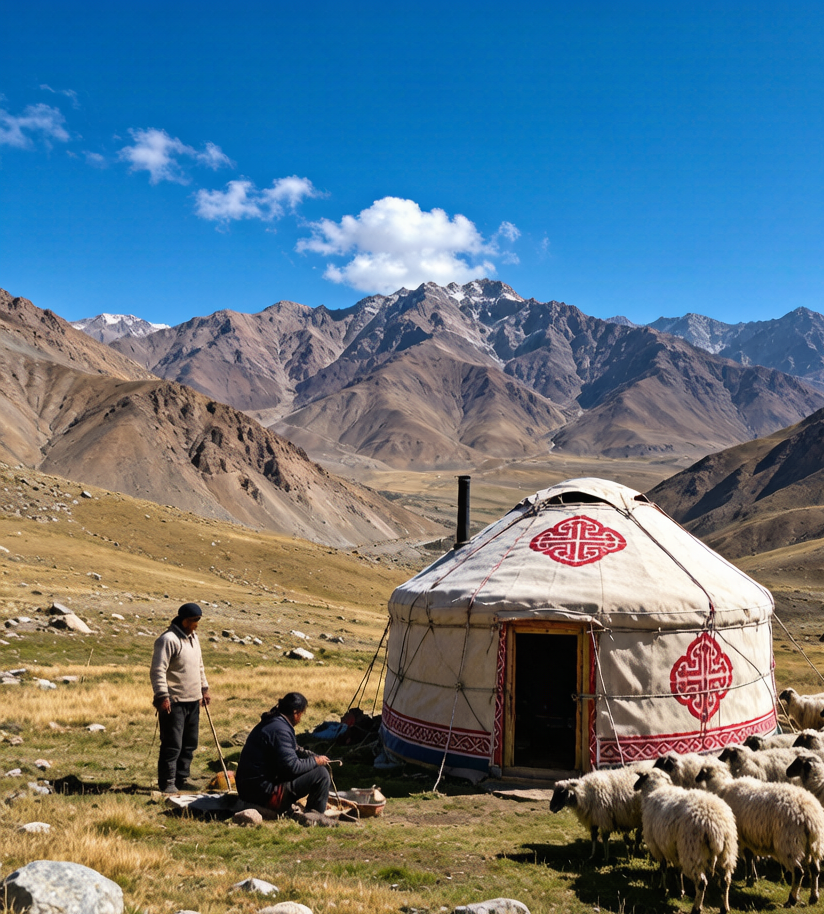
Kyrgyz Culture on the Pamir: Herders of the Roof of the World
The Pamir is often described for its mountains, but the human story is the Kyrgyz, and spending time with them reframed the plateau for me. They are herders of the roof of the world, and altitude is not a backdrop but a whole way of living.
The yurt is the centre. A Kyrgyz felt home on the Pamir is cousin to the Kazakh yurt stays I have written about, but shaped by thinner air and harder ground, and the hospitality inside is immediate. I was fed and seated before I had set my bag down, the same courtesy I found across the steppe.
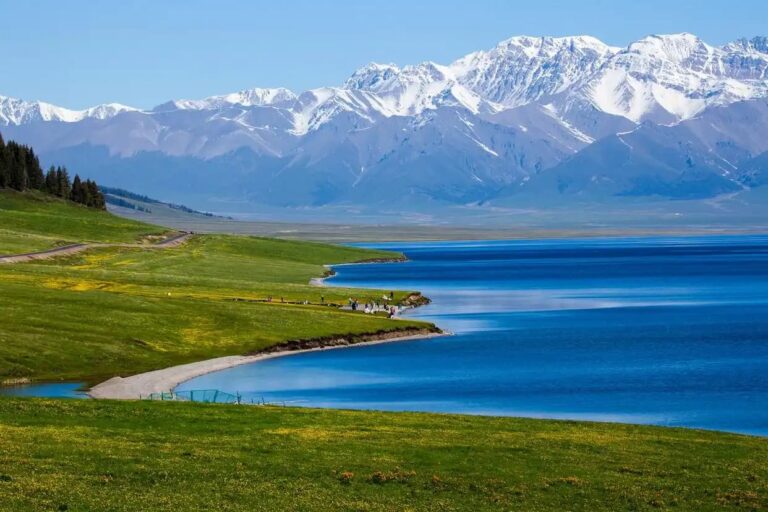
Their world sits on the same road as the Pamir Highway and the Tajik outpost of Tashkurgan, so a drive through the plateau is also a cultural one whether you plan it or not. The Karakul Lake shore is where I met most of them.
What stays with me is the economy of joy. With little, they offer much, and the music and the milk tea are the wealth. It is the same lesson the caravan routes taught in stone, now taught in felt and song.
If you go, go as a guest, not a tourist. Ask before photos, accept the tea, and let the altitude set the pace. The Pamir will show you mountains anywhere; the Kyrgyz will show you something rarer.
A practical note for visitors: altitude at Karakul is no joke, and I took the first day slow, drank water, and skipped the urge to run at the view. The Kyrgyz read this easily and paced me without being asked, which is its own kind of hospitality. Meet the plateau on its terms and it gives back.
If you are offered a night in a yurt on the shore, take it. The lake at first light, with the herders already moving, is the Pamir as it actually is, not as the brochures crop it. That morning alone repaid the long drive up.
The herds are the clock. The Kyrgyz day follows the animals, not the watch, and I learned to rise when they did, because the morning move to pasture was the real show, not the postcard lake. Children tend the lambs, women work the felt, and the men ride out, and the yurt runs on a quiet division of labour I watched with admiration. My host pressed kurut, the dried curd, on me as trail food, and it kept all day on a walk that would have drained me otherwise; that small gift was expertise, not courtesy. If you are offered a hand at the felt-making, take it, because the rhythm is harder than it looks and the laugh at your clumsiness is warm. The Pamir gives mountains to anyone; the Kyrgyz give the meaning, and the second is the rarer thing to leave with.
Leave as you would from any home: with a thank-you in the language you have, and the felt you helped make if they press it on you. The Pamir is vast and the yurts are few, but the welcome is the constant, and it is the part you carry down the mountain long after the glacier has faded from memory.
Worth pairing with
Kyrgyz Culture On The sits naturally into a longer Pamir day. With a car the combination that worked for us was the site in the morning, a long lunch somewhere with shade, and the other place in the late afternoon, so two half-days covered a full one. Ask at the hotel desk the evening before what opened this week, because several of these places shift their hours with the season and the leaflet in the lobby is a year out of date. The stops most people miss are the small ones between the big names.
What goes in the day pack
Cards work at the gate and in the shops, but the stalls on the approach road and the drivers waiting at the turnoff want cash, and coming up short at the moment you want a lift is the classic way to lose an hour. Sunscreen and a brim. The light here is serious and the shade is intermittent, so the sunscreen goes on before you leave the hotel, not at the gate. The temperature drops fast once you stop moving and the drop is not hypothetical on an exposed pass.
A wind shell. A fleece covers most of the year, a real jacket covers shoulder season. Water, more than you think, a power bank and some cash. More on the other end of that day is in our [[xinjiang-kyrgyz-culture-pamir|Kyrgyz Culture in Xinjiang: The Turkic…]].