The Uyghur Breakfast Ritual: Nan, Black Tea and the Morning Spread
The Western hotel breakfast buffet is the outlier in Xinjiang. The local morning is a slow, communal spread built around bread, tea and a dozen small dishes. Once you adopt it, you will not want to go back — and it is one of the cheapest, safest, most delicious meals of the day.
The centre of the table: nan
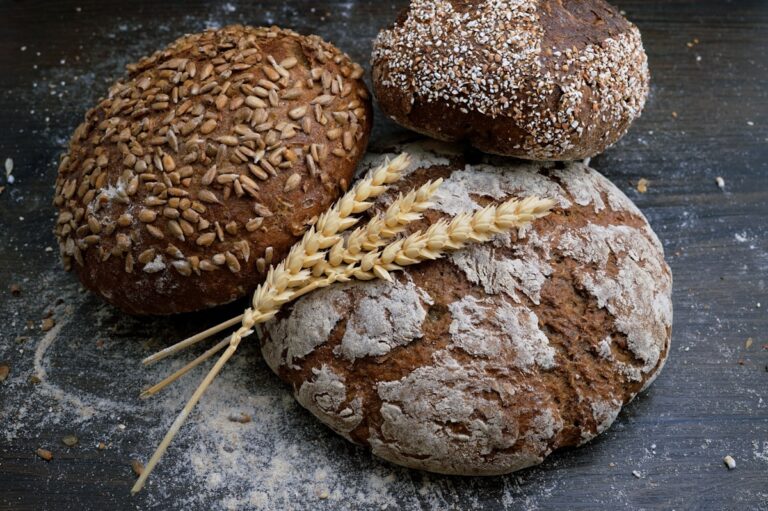
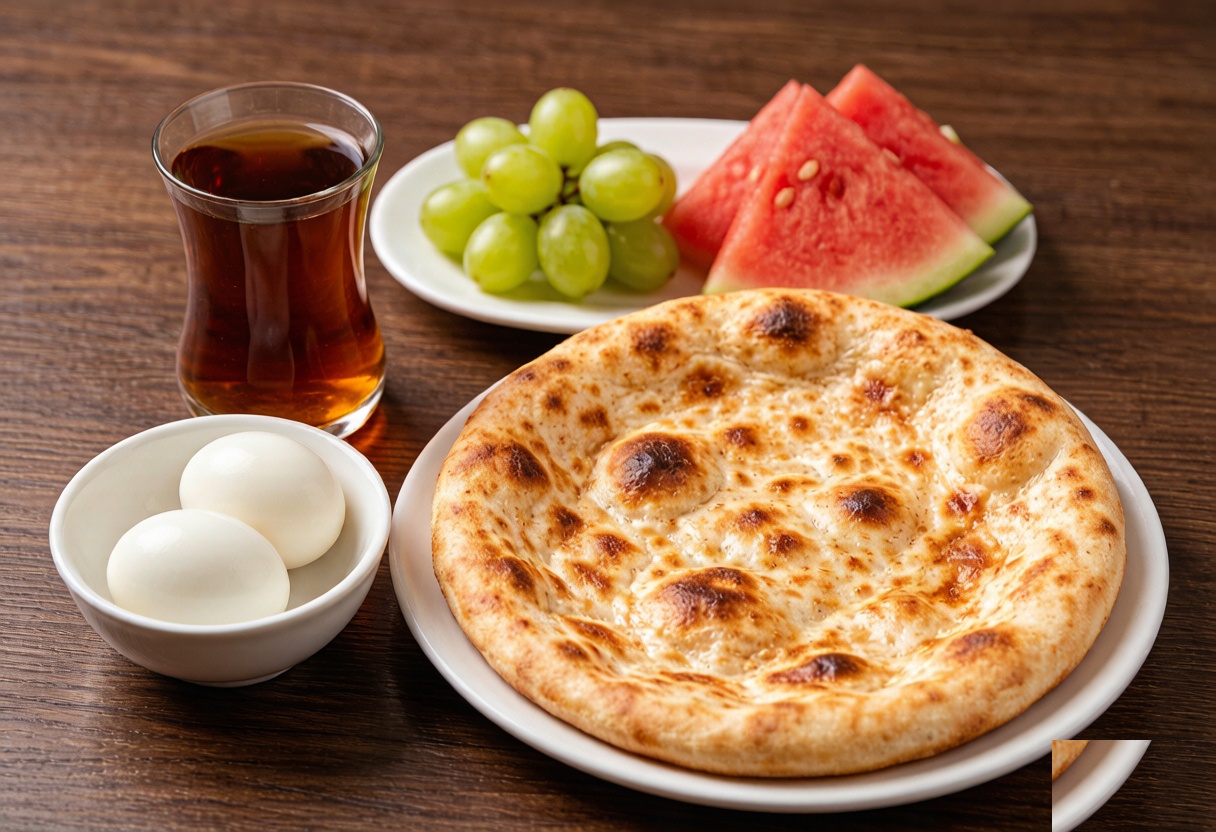
Nan — the round, sesame-speckled flatbread pulled from a tandoor — is not a side; it is the meal. You tear it, dip it, and use it to scoop. A breakfast table has at least two kinds: the plain qoruma and the sweeter, oil-brushed variety. Tearing bread is the first act of the day and the social glue of the table.
Tea, not coffee
A pot of black tea (红茶, hóngchá) sits steaming, poured into small glasses. It is weak, sweetened at the table, and refilled until you leave. In pastoral areas it arrives as salty milk tea instead — see our tea culture guide for the difference and when each appears.
The small plates
- Boiled eggs, halved and salted.
- Fresh tomatoes and cucumber in summer.
- Grape jelly or watermelon in season.
- A dish of qurut (dried curd) or thick yogurt.
- Honey or apricot jam for the nan.
The rhythm
Breakfast is not rushed. You sit, you pour, you tear bread, you talk. On my trips I have settled whole route changes over a second pot of tea. It is fuel and ceremony at once — a slow start that somehow makes the day better.
Try it safely
Stick to cooked and peeled items if your stomach is unsure; our food-safety guide has the rules. But the breakfast spread — bread, tea, eggs — is about the safest, most delicious start to a Xinjiang day you will find, and a perfect window into how locals actually live.
Where to find the real thing
The hotel buffet gives you a pale version. For the genuine spread, eat where locals do: a corner nan bakery with a few tables, or a morning market stall with a samovar. Order nan fresh from the tandoor, point at the egg pot, and accept the bowl of tea. No menu, no English, no problem — breakfast is the easiest meal to order by pointing.
A small etiquette note
Tear bread with your right hand, and do not stick a knife into the nan (it is respected, not just food). Offer the pot to others before refilling your own. These small gestures mark you as a guest rather than a tourist, and in a Uyghur home or teahouse they are noticed and appreciated. Our cuisine guide explains the wider table manners.
Three words that change the order
In Uyghur Breakfast Ritual that single gesture has never once got me the wrong dish, and it saves you ordering a second plate you did not want. Point at what the next table has. You do not need Uyghur. What you need is the phrase for not spicy, the hand signal for a smaller portion, and the knowledge that one word covers what locals drink in winter, which is salt and butter, and what visitors get, which is sweet. That stretch of the trip is described in our [[xinjiang-uyghur-breakfast-guide|Xinjiang Uyghur Breakfast: Naan, Milk Tea,…]] too.
The stall, the teahouse and the restaurant
The food is the same and the price gap is not small. I eat at the first two most days and take people to the third when they ask for somewhere proper. What you lose at the stall is a seat and some shade. Everything else is right there.
Three kinds of place sell the same dish in Uyghur Breakfast Ritual, and they are not competing so much as serving different occasions. The street stall is fastest, cheapest and eaten standing up. The restaurant is where you take someone you want to impress. The teahouse is where you sit an hour and get refilled.
For the part people underestimate, see our [[xinjiang-uyghur-green-tea-chay-ritual-guide|Uyghur Green Tea (Chay): The Silent Ritual…]].
What ends up on the table
A Uyghur breakfast (nahar) is a spread, not a plate. Expect fresh sangza or girde flatbread, a bowl of walnuts and raisins, honey, thick yoghurt, sliced tomato and cucumber, boiled eggs, and endless milk tea. In summer there’s often melon on the side. You tear bread, scoop yoghurt, pour tea, and graze — nobody rushes you. The first time I sat down expecting a single dish I under-ordered; now I treat it as a lazy, shared, half-hour ritual and order less, not more.
Etiquette and where to find it
Tea is poured for others before yourself, and bread is treated with respect — don’t drop it on the floor or put it face-down. Most homestays lay this out if you ask the night before; the morning stalls around the bazaars and the old-town cafés do it too. A simple “rahmet” (thank you) goes a long way. If you want the real version rather than the tourist buffet, eat where the local families are, not the place with the biggest sign by the gate.