Renting a Car and Driving in Xinjiang: Licenses, Costs, and Route Planning
Renting a Car and Driving in Xinjiang: The Independent Way
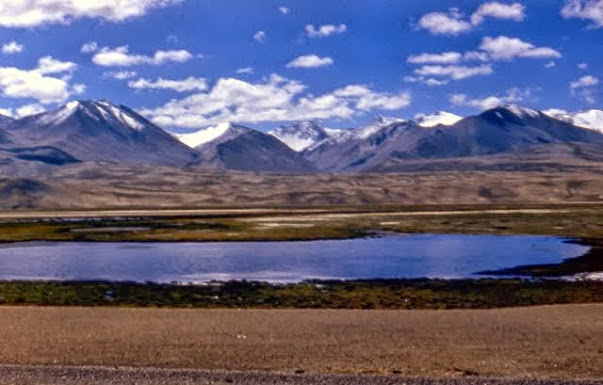
Xinjiang is huge — bigger than many countries — and a car unlocks routes that buses and trains simply don’t serve. The Duku Highway alone justifies the effort: a single day of driving there shows more landscape than a week elsewhere. This guide covers licenses, costs, and route planning for visitors who want to drive themselves.

Can Foreign Visitors Rent a Car?
Officially, self-driving in China requires a Chinese driving license. Visitors holding only a foreign license generally cannot legally rent a car and drive solo. Two practical workarounds exist:
- International Driving Permit + temporary Chinese license: some cities issue a short-term permit to IDP holders, but acceptance varies and is not guaranteed for independent tourists.
- Hire a car with a driver: this is the standard solution. A local driver handles the roads, fuel, and navigation while you enjoy the scenery. Costs run roughly 500–1,200 RMB/day depending on vehicle and region.
For most foreign travelers, a car with driver is the realistic, legal, and lower-stress option. You still control the itinerary.
Where to Rent
Urumqi, Kashgar, Yining, and Turpan have the most rental options. Airport pickup is common. Book ahead in July–August and during the National Day holiday, when demand spikes. Check that the company allows cross-region travel if your loop spans multiple prefectures.

Costs and Fuel
- Self-drive (license holder): rental 200–500 RMB/day plus fuel (~7–8 RMB/L for gasoline).
- With driver: 500–1,200 RMB/day all-in, often excluding fuel and the driver’s meals/lodging on long trips.
- Tolls: modest on expressways; mountain roads are usually free.
- Insurance: take the full cover — gravel and livestock on rural roads are real risks.
Route Planning Basics
Xinjiang splits into north, south, and east, with the Tianshan range between them. Distances are long: Urumqi to Kashgar is ~1,500 km. Plan 300–500 km driving days, not 800. A sensible first loop links Urumqi – Tianchi – Yining – Naraty – Duku back to Urumqi over 7–9 days.
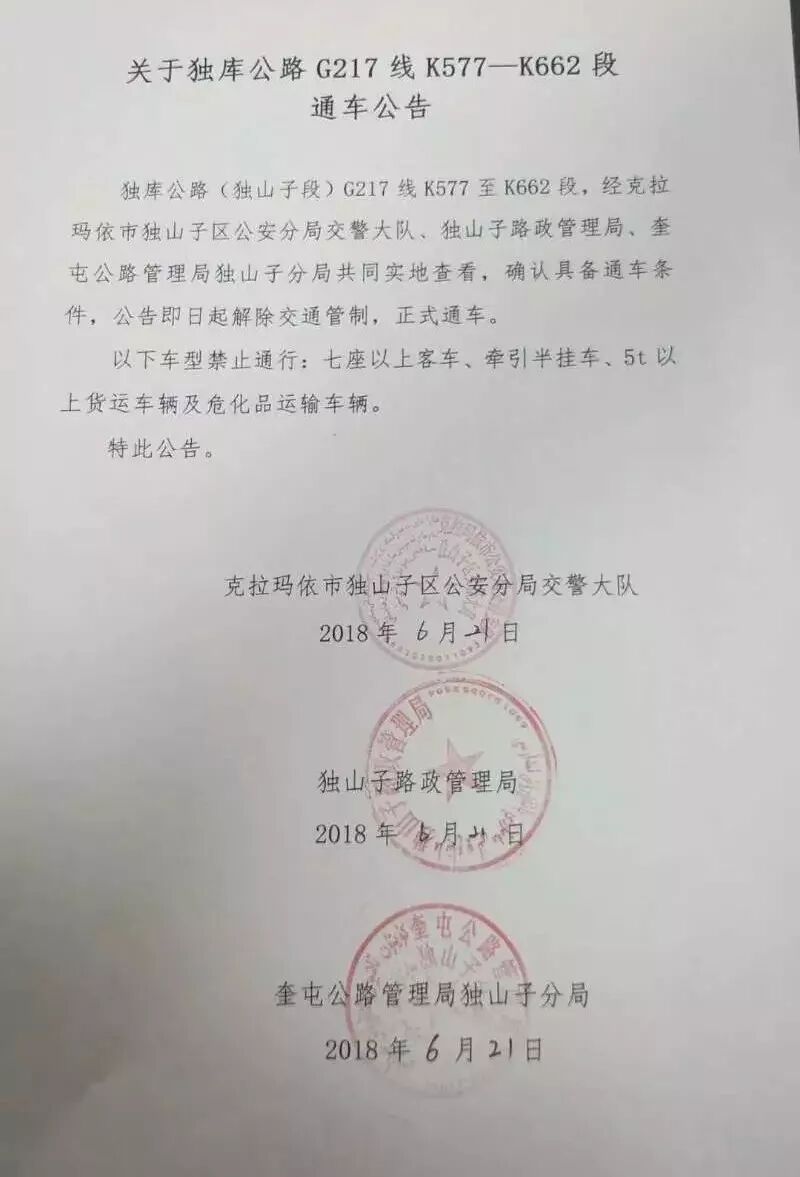
Many roads close seasonally. The Duku Highway opens roughly June to October; high passes can snow over early. Our winter driving guide explains what stays open when the cold arrives.

Rules and Realities
- Speed cameras are common on expressways and near towns — watch limits.
- Police checkpoints appear on regional roads; carry your passport and visa.
- Livestock and slow vehicles share mountain roads; drive defensively.
- Signal is patchy — download offline maps before remote stretches.
- Never drink and drive; random checks are frequent.
What a local driver would refuse to do
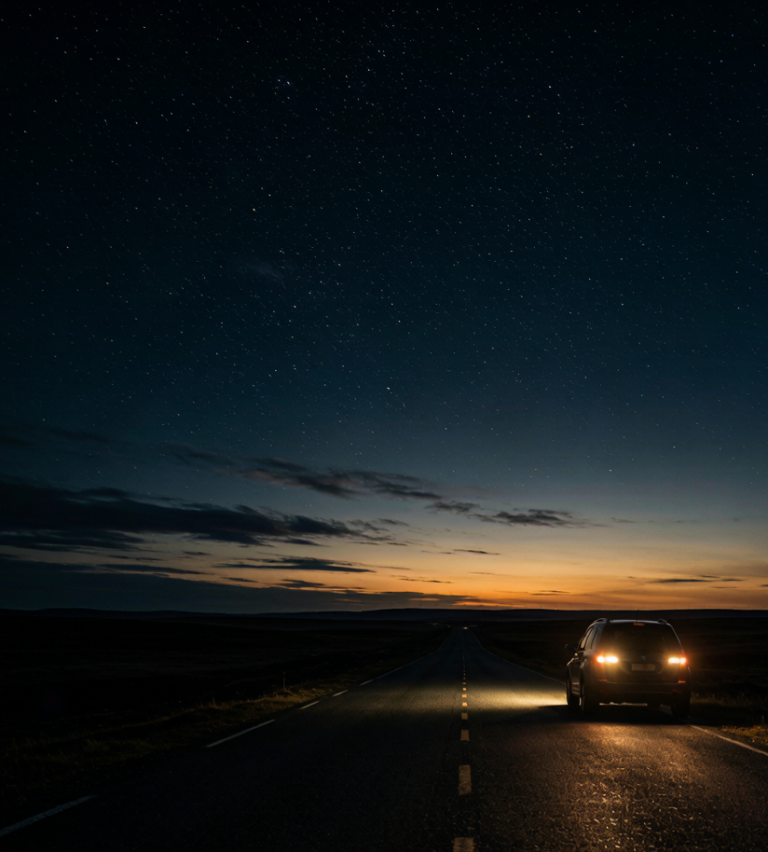
What they will happily do is leave at five in the morning to catch the light, and that is the version worth asking for. My host in Xinjiang said the pass was two hours, meaning two hours driving without the stops, and that is the number to plan around, not the one the map shows. What they will refuse is a night drive over the high sections in winter, and they are right. A driver who knows this road gives you the honest distance. That stretch of the trip is described in our [[renting-a-car-in-xinjiang-self-drive-rules-costs-and-routes|Renting a Car in Xinjiang: Self-Drive…]] too.
Where to sleep on the road and where to park
Ask for a room away from the yard, since the yard is where the trucks sleep. In Xinjiang the hotels cluster along the through road and the value one is usually the second block back, five minutes from the misnamed central place and half the price. The county town on this route is where to overnight, not the scenic stop, because the scenic stops have no quiet parking and no kitchen open after eight. If the timing is the question, our [[xinjiang-night-driving|Night Driving in Xinjiang: When It Helps…]] goes through it properly.
The checkpoints, honestly
Keep passport and car documents in the glovebox rather than the boot so you are not unpacking in front of a queue. They are short, they are not hostile, and the whole process for a foreign plate takes longer than for a local one because the officer has to make an entry. Write down the address of tonight’s accommodation, because that is the question they ask. Nobody has ever been rude to me at one of these. You will stop at checkpoints. They are tedious rather than dangerous, and the driver’s document pack is the only thing that makes them quick. For the part people underestimate, see our [[xinjiang-driving-rules|Driving in Xinjiang: Road Rules,…]].
Self-Drive vs Tour
If you want maximum freedom and have the license, self-drive wins. If you want zero paperwork and local knowledge, read our comparison of independent travel versus joining a tour before booking. Many visitors do a hybrid: train between hubs, car-with-driver for the scenic loops.
Bottom Line
Driving is the best way to see Xinjiang’s interior, but for foreign visitors the practical route is a rented car with a local driver. Budget for it, plan short days, and the region’s scale becomes a feature rather than a frustration.