
Backpacking Xinjiang on a Budget: The Cheap Way Through the Region
Xinjiang has a reputation for being expensive because the distances are huge — but the day-to-day costs are low if you travel local. Buses over flights, guesthouses over hotels, bazaar food over restaurants: a backpacker can see a lot for surprisingly little, the main expense being the long hauls between highlights. This is the budget reality and how to keep it lean.
Last updated: July 15, 2026 · Written by Karl Huang, a Xinjiang travel specialist who has spent time across the region. Practical details are cross-checked against official tourism, transport, and border-regulation sources.
| Best time | Spring and autumn shoulder months cost less and crowd less. |
|---|---|
| How long | 2–4 weeks to see a lot without rushing the long hauls. |
| Difficulty | Moderate — the main challenge is distance between highlights. |
| Cost level | Low: ~¥150–350/day; biggest expense is inter-city transport. |
| Real budget | Buses > flights, guesthouses > hotels, bazaar food > restaurants. |
| Don’t miss | Slow travel by local bus and market eats to stretch every yuan. |
The big cost is movement; shrink that and the rest is cheap.
Getting Around Cheap
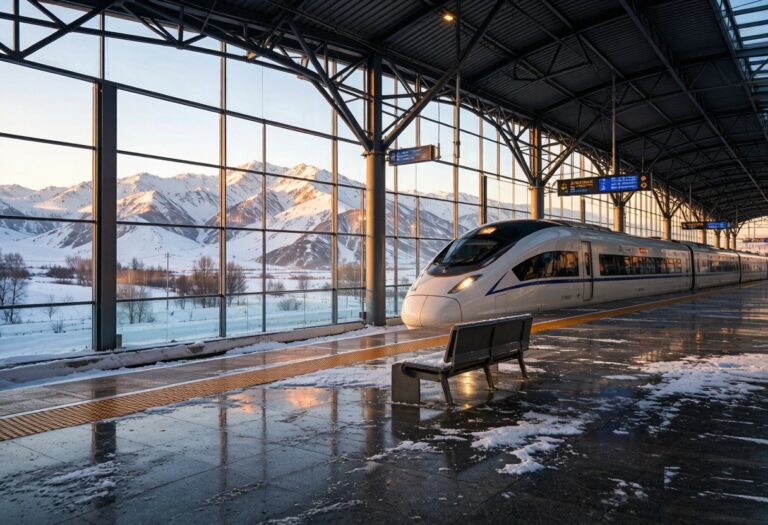
Long-distance buses and trains are far cheaper than flights (a sleeper train Urumqi–Kashgar costs a fraction of a flight). Within towns, shared cars and city buses are pennies. The trade-off is time — a bus takes what a flight does in hours — so budget travelers trade days for yuan. For the Pamir and remote loops, the shared van from Kashgar is the budget play, permit sorted in town.
Cheap Sleeps and Food
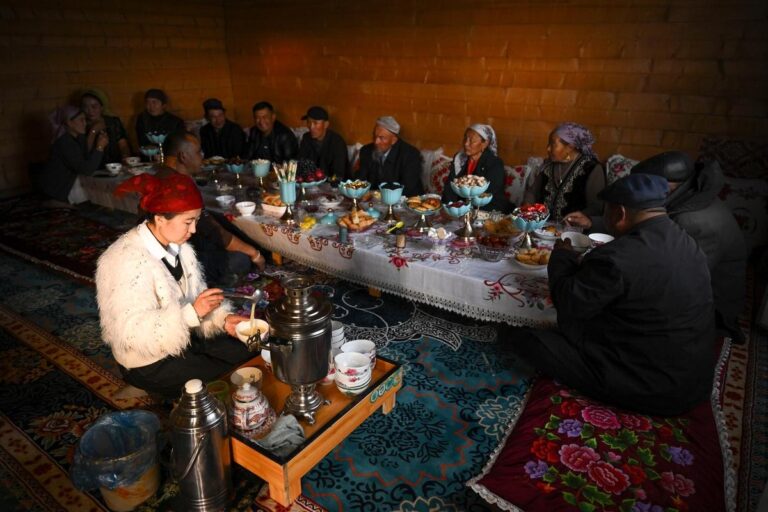
Guesthouses and budget hotels in every city run from modest to very cheap; book local apps or walk up. The bazaar food — naan, polo, skewers, fruit — is the cheapest meal going, a few yuan a plate. A day of bazaar eating costs less than one restaurant dinner. Carry a water bottle (refill, don’t buy); the savings add up over weeks.
The Real Budget
A lean day (guesthouse + buses + bazaar food) can run low; the killer is the intercity haul — a flight or a long private transfer bites once. Plan a route that clusters regions (do the north, then fly to the south) to limit the expensive legs. Travel off-peak (spring, autumn, winter) for the cheapest rooms. The region rewards slow travel — the longer you stay in one area, the less you spend on movement.
Where to Save, Where Not
Save on sleeps and food; don’t skimp on the Pamir permit (do it right, or you’re stuck) or on a warm layer (cold makes you sick, and clinics cost more than a fleece). Backpacking Xinjiang is very doable — the scale is the only thing that costs. Move slow, eat local, and the region opens on a shoestring.
Moving Cheaply
Long-distance buses and trains are far cheaper than flights – a sleeper train from Urumqi to Kashgar costs a fraction of a flight. Within towns, shared cars and city buses are pennies. The trade-off is time, so budget travelers trade days for yuan. For the Pamir and remote loops, the shared van from Kashgar is the budget play, with the permit sorted in town before you go.
The itinerary mistake that costs a day
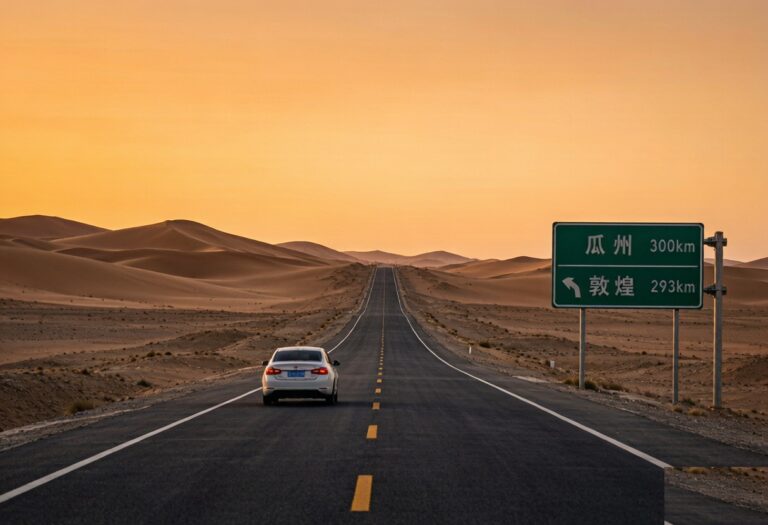
Wake at six, drive four hours, check in at ten, and the morning is gone along with the next one. Split the drive at the town in the middle, sleep, and you get the afternoon on the far side as well. I have done it both ways. It feels efficient and it is the single thing that most reliably ruins a trip here, because distances are not what your map suggests. Putting a long drive between two early starts. More on the other end of that day is in our [[xinjiang-hostels-budget-stays|Hostels in Xinjiang: Budget Stays, Dorm…]].
What a day actually costs
The shape is simple: the car and the fuel, the rooms, the food. For two people driving, a day that includes a hotel runs a small fraction of the same day in Western Europe, and the gap opens further once you stop paying restaurants. Food is the smallest of the three if you eat where locals eat and the biggest if you eat where the menu is in English. The places where it stops being cheap are the entrance tickets and the guided days. If the timing is the question, our [[xinjiang-travel-costs-budget-breakdown-2026|Xinjiang Travel Costs: A Detailed Budget…]] goes through it properly.
Sleeps and Food on a Shoestring
Guesthouses and budget hotels in every city run from modest to very cheap; book through local apps or just walk up. The bazaar food – naan, polo, skewers, fruit – is the cheapest meal going, a few yuan a plate, and a day of bazaar eating costs less than one restaurant dinner. Carry a water bottle and refill; the savings add up over weeks on the road.
Where to Save, Where Not To
Save on sleeps and food; don’t skimp on the Pamir permit (do it right or you’re stuck) or on a warm layer, since cold makes you sick and clinics cost more than a fleece. Plan a route that clusters regions – do the north, then fly to the south – to limit the expensive intercity hauls. The region rewards slow travel: the longer you stay in one area, the less you spend on movement, and polo-and-naan days keep the daily cost tiny.