Baihaba Village: The Quiet Tuvan Border Settlement Beyond Kanas
Hemu gets the postcards, but Baihaba gets the peace. This Tuvan village sits at the far northwest of the Kanas Geopark, a few kilometers from the Kazakhstan border, and it’s the quieter, more working settlement of the two. Fewer tour buses, more real life, and a forest-and-river setting that’s every bit as pretty as its famous neighbor. The catch: it’s a border zone, so it needs the same permit as the Pamir and a bit more planning.
If you’ve already made the effort to reach Kanas, Baihaba is the natural, rewarding add-on.
The Setting
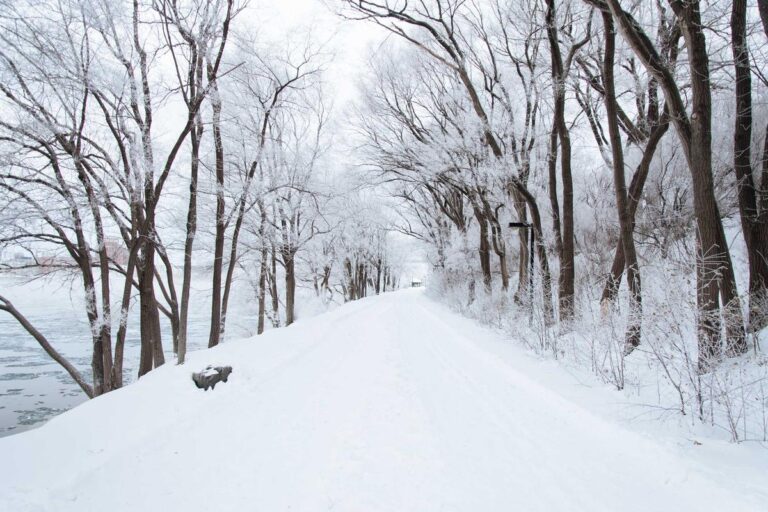
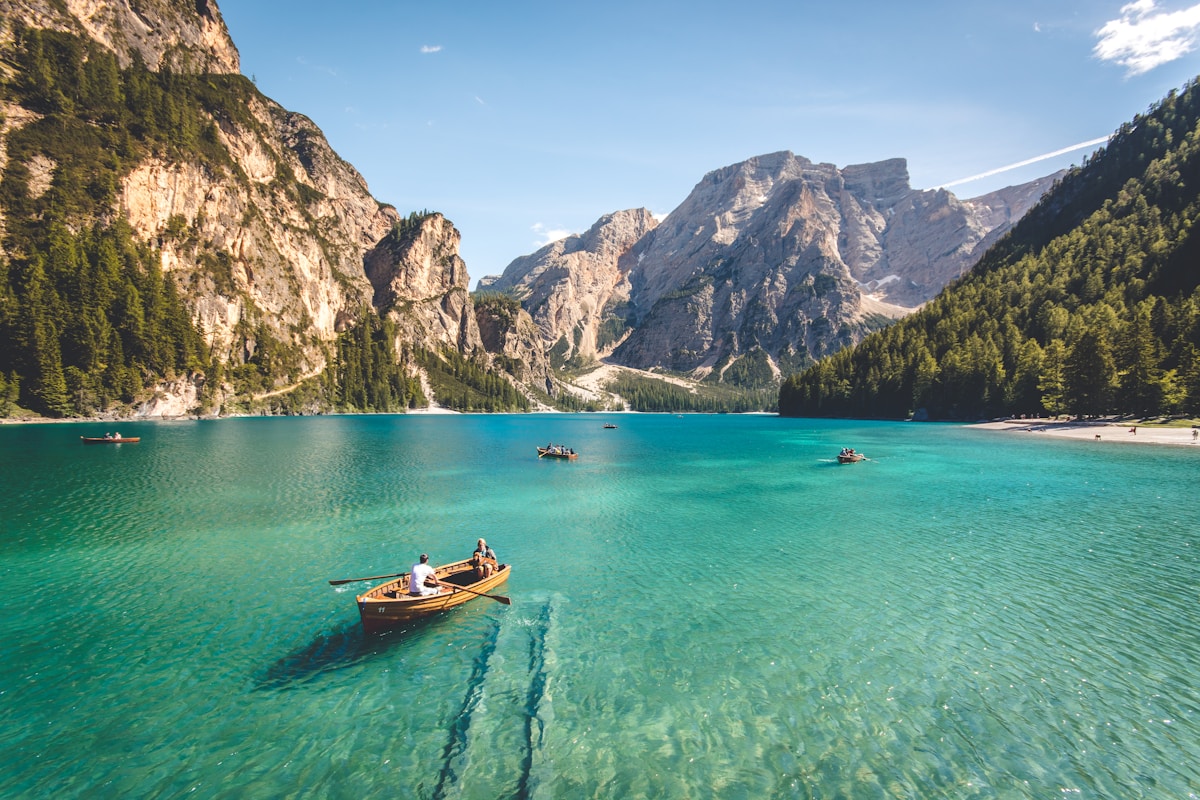
Baihaba spreads along a river valley backed by spruce forest and low mountains. Timber cabins, fenced yards, and grazing horses define it — a living village, not a viewpoint. The light is soft, the pace is slow, and the morning smoke from the chimneys is the photo everyone wants. It feels like the Altai before the tour buses found it, because relatively few visitors make the extra permit step.
The Permit
Baihaba is inside a border management zone, so you need the Xinjiang border permit (边境管理区通行证), issued in Burqin with your passport and visa. Allow time; it’s the same free paper permit used for Tashkurgan, checked at a checkpoint before the village. Foreign travelers should confirm current eligibility — some visit on guided transfers where the driver handles paperwork. Without the permit, you won’t get past the post.
The mistake I made the first time
The gate is not the site. The other mistake is about distance on the map. There is a shuttle, a walk, sometimes another shuttle, and the stretch everybody underestimates is between the second gate and the thing you crossed the country to see. So: work out how far it is from where the vehicle drops you to the feature, then double it. That is the number of hours the visit needs.
I assumed two hours would be plenty. What I would tell the version of me who planned it: put the slow hours in, not the fast ones. It was, in the sense that I saw everything, and it was ruined in the sense that I saw everything at the same hour with the same crowd, and I spent the drive home meaning to come back and never did. The whole point of coming this far is to have the place to yourself for a while, and that only happens if you are willing to be there when it opens or when it is nearly shut. I did come back the following trip, at seven in the morning, and it was a different site.
The short version, with the numbers, is in our [[hemu-village-kanas-biosphere-tuvan-culture-guide|Hemu Village: Birch Forests, Timber Cabins…]].
Reaching {P} on buses, taxis and shared rides
The trick is finding the vehicle rather than the timetable. In Kanas the drivers wait where drivers always wait, in the little offices a few hundred metres off the main terminal, and they will put together a half-day for a price the meter would never quote. Leave two hours of slack on the return. The last vehicles back leave in the early evening, and after dark on a mountain road the local buses stop running entirely. What does exist is an intercity coach leaving the Kanas long-distance station early, a taxi share at the stand that costs a few tens of yuan a head if you are patient, and the tour vans that pick up at hotels.
Baihaba Village The Quiet sits an hour or two from the nearest town, which sounds close until you work out there is no reliable public bus to the gate. We came twice. The second a driver on a return leg dropped us at the entrance and waited in the car park, which is the cheap way to do it if you do not mind setting your own clock. The first time we chartered a car for the round trip and it was worth every yuan. For the part people underestimate, see our [[baihaba-village-the-most-beautiful-border-village-between-china-and-kazakhstan|Baihaba Village (白哈巴): The Most Beautiful…]].
Worth pairing with
Baihaba Village The Quiet sits naturally into a longer Kanas day. With a car the combination that worked for us was the site in the morning, a long lunch somewhere with shade, and the other place in the late afternoon, so two half-days covered a full one. Ask at the hotel desk the evening before what opened this week, because several of these places shift their hours with the season and the leaflet in the lobby is a year out of date. The stops most people miss are the small ones between the big names. Where most people get the logistics wrong is covered in our [[kanas-hemu-baihaba-3-day-loop-itinerary|Kanas, Hemu, and Baihaba 3-Day Loop: The…]].
How to Visit
From the Kanas scenic area, a shuttle or hired car runs the short distance to Baihaba. Many do it as a half-day from a Kanas or Hemu base, or stay a night in a village guesthouse for the dawn. Combine it with Hemu and Kanas for a full Altai village trio — Kanas for the lake, Hemu for the birch, Baihaba for the quiet.
Why It’s Worth the Step
The permit is a small hassle for a genuinely untouristed corner. Stand at the village edge and you’re looking into Kazakhstan across a river; the border fence is the only boundary. It’s the most ‘frontier’ feeling in the north, and the calmest. For travelers who liked Hemu but wanted fewer crowds, Baihaba is the answer — just bring the paperwork.
Want the full Kanas picture? My Kanas Lake: Xinjiang’s Mystical Alpine Gem and the Legend of the Lake Monster ties the bays, the geopark, and where to base yourself into one plan.