Taklamakan Edge Route: Skirting the ‘Sea of Death’ by Oasis Town
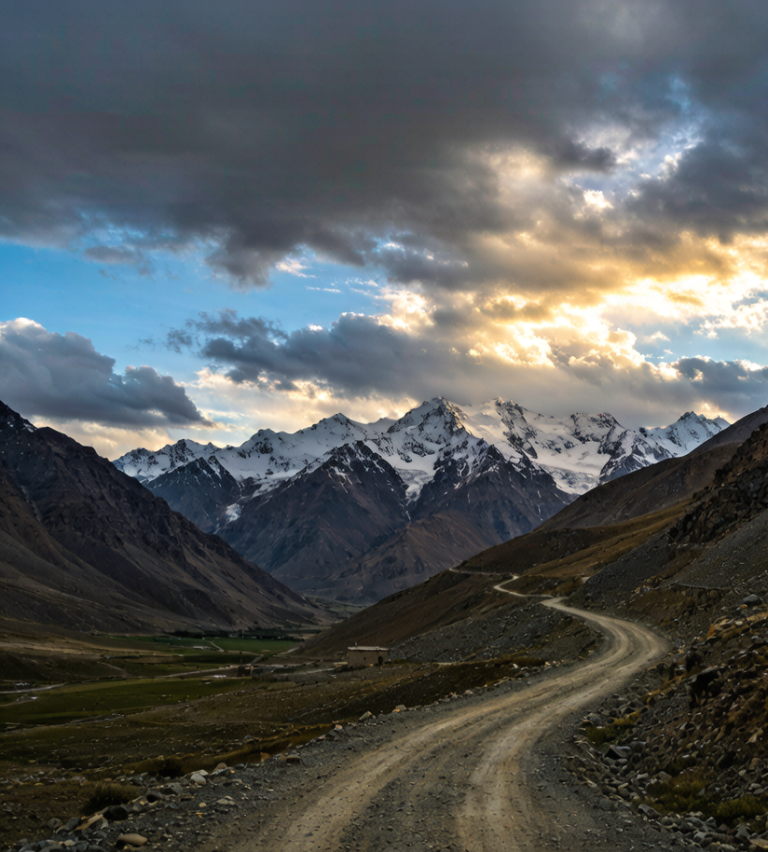
Everyone talks about crossing the Taklamakan; fewer talk about skirting it — and the rim road is the better drive for most people. The southern Silk Road towns (Hotan, Yarkand, Kashgar, Aksu) sit on the desert’s edge, linked by good highways that thread oasis after oasis with the dunes never far to the north. You get the desert’s drama, the silk history, and real towns to sleep in — without committing to the monotonous 500 km straight line across the middle.
This is the classic southern loop, best driven east-to-west or vice versa.
The Towns on the Rim
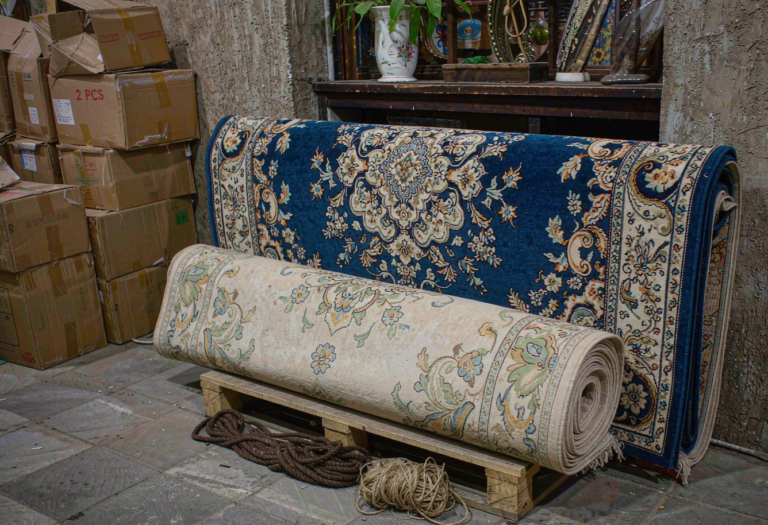
Hotan (Hetian). The jade city — markets piled with the green stone, plus carpet and silk workshops. Hot, dry, and deeply Uyghur in feel.
Yarkand (Shache). A quieter silk-road town with a famous tomb and a Friday market that’s pure local life.
Kashgar. The hub, the Old Town, the gateway south. The natural pivot of the loop.
Aksu. The eastern anchor, where the rim road meets the route north to the desert highway and Korla.
Why skirt instead of cross
The central crossing is one view repeated for hours — sublime once, tedious after. The rim loops through distinct cultures, foods, and histories, with the desert as a constant backdrop rather than the whole show. You also sleep in real beds and eat real food every night. For a first southern-Xinjiang trip, the edge wins.
The money, line by line
Staff there are used to it, and the answer takes ten seconds. The headline entrance ticket is only the first line. On top of it comes a shuttle or sightseeing bus inside the site, and if you want a far viewpoint rather than the main one that is another leg. Parking, a printed map, and a guide are the other three places the number moves. Two of us covered the whole thing for well under what a single hotel night in Taklamakan costs, but only because we shared the car and shared the entry between us.
On your own the same afternoon comes out at maybe half again as much. Prices at the gate are reasonable by European standards, which is exactly why they are easy to underestimate. Ask once at the ticket office what the full circuit costs before you commit. The admission is cheap, the internal transport is what adds up, and a family of four in one car turns a small ticket into a real line in the budget. I wrote the driving side up in our [[taklamakan-desert-highway-crossing-the-sea-of-death-by-4×4|Taklamakan Desert Highway: Crossing the…]] as well.
Reaching {P} on buses, taxis and shared rides
What does exist is an intercity coach leaving the Taklamakan long-distance station early, a taxi share at the stand that costs a few tens of yuan a head if you are patient, and the tour vans that pick up at hotels. We came twice. The first time we chartered a car for the round trip and it was worth every yuan. The second a driver on a return leg dropped us at the entrance and waited in the car park, which is the cheap way to do it if you do not mind setting your own clock.
The trick is finding the vehicle rather than the timetable. Leave two hours of slack on the return. In Taklamakan the drivers wait where drivers always wait, in the little offices a few hundred metres off the main terminal, and they will put together a half-day for a price the meter would never quote. Taklamakan Edge Route Skirting sits an hour or two from the nearest town, which sounds close until you work out there is no reliable public bus to the gate.
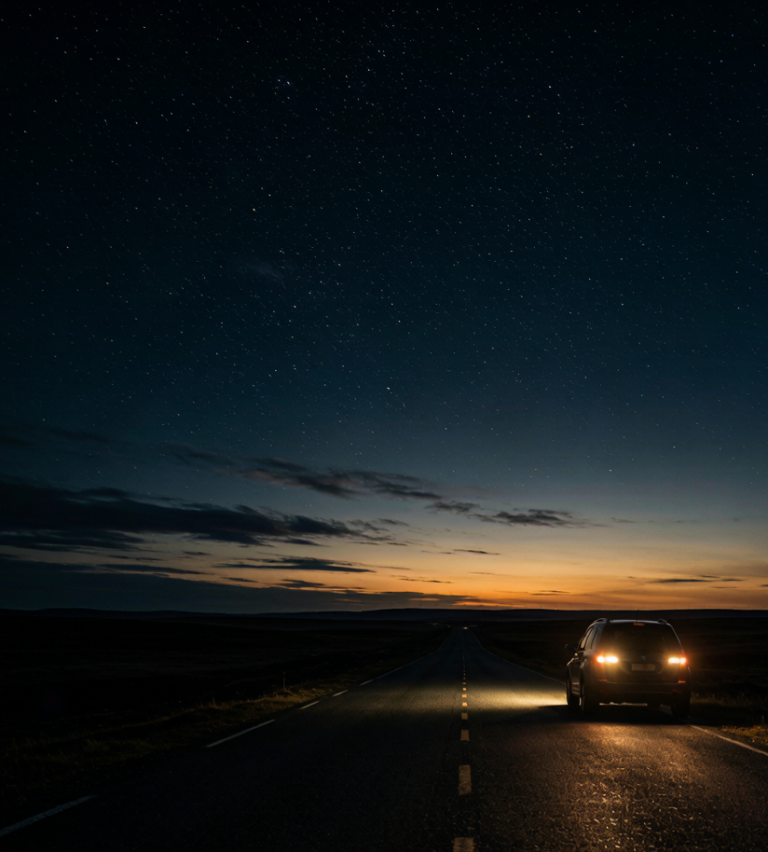
The last vehicles back leave in the early evening, and after dark on a mountain road the local buses stop running entirely.
Not everyone should build a trip around this
If you are short on days, this is the thing to cut, and no guidebook will tell you that. Taklamakan Edge Route Skirting is superb, but it is also an hour or more in each direction from everything else you planned, and the drives are what eat the schedule. It suits people who like landscape and can walk a few kilometres at their own pace. It suits a traveller with a car and a flexible morning. It does not suit a family with a small child who needs a shade stop every forty minutes, and it does not suit anyone in week two of a high-altitude trip still feeling it. The honest version: take half a day if that is all the arithmetic allows, and save the full day for the thing that is genuinely once in a lifetime.
I am not going to pretend this is gentle. Who it does suit: someone wanting one strong memory, someone driving the Taklamakan loop anyway, someone willing to be out before breakfast. There is a lot of unshaded ground, the altitude is real if you came from a low-altitude city, and the swing between the car and the viewpoints is enough to give you a headache on an empty stomach. Who it does not: anyone whose main goal is a relaxed few days, and anyone who has already done this same thing twice here. If the timing is the question, our [[kashgar-old-town-self-guided-walking-route|Kashgar Old Town Self-Guided Walking Route…]] goes through it properly.
A second look on day two
Almost nobody does Taklamakan Edge Route Skirting twice. I did, and the second visit was better, because the first had been spent working out where to stand. The second time you can skip the obligatory viewpoint and walk along the base of the ridge where the light comes in sideways, and that is the photograph you keep. If your itinerary has a spare morning, spend it here again rather than at the bigger name on the far side of town.
Logistics
The rim highways (G315/G3012) are paved and well-maintained; distances between towns are 200–400 km, doable in a day each. Fuel is easy in the towns. Summer heat is extreme (Hotan hits 40°C+); spring and autumn are kinder. As always in the south, carry your passport — checkpoints are routine near the border.
When to Drive the Middle Instead
If you specifically want the ‘Sea of Death’ crossing — the straight causeway, the mid-desert station, the surreal nothing — do the Tarim Desert Highway as a one-day segment linking the north and south rims, then return to the towns. Best of both: the crossing as an experience, the loop as the trip.
For the complete desert-crossing plan, my Taklamakan Desert Highway: Crossing the ‘Sea of Death’ by 4×4 covers which highway, fuel, and how long it takes.