
What to Pack for Xinjiang: The Complete Seasonal Packing List for Every Region
The hardest part of packing for Xinjiang is that you are not packing for one climate — you are packing for several at once. In a single two-week trip you might stand in 42°C heat in Turpan, shiver at a 2,000-meter alpine lake, and walk a glacier-viewing platform in wind that cuts through a jacket. The region’s size and altitude range mean layering is not a suggestion; it is the entire strategy.
This list is built for the real conditions travelers report, not the idealized version. Start with the constants, then add by season and region.
The Non-Negotiables (All Year)
Sun protection. Xinjiang has thin, dry air and intense UV at altitude. Bring high-SPF sunscreen, a brimmed hat, and sunglasses. Locals wear neck scarves for a reason; a buff is worth packing.
Lip balm and moisturizer. The aridity cracks lips and skin within days. A small humidifier for hotel rooms helps in winter.
Documents. Passport, the China visa, and — critically — any border permits (for Tashkurgan, Baihaba, and parts of the Karakoram route). Carry paper copies; phone screens fail at the worst moments.
Power. A China-standard plug (Type I, three flat pins) and a power bank. Long drives mean dead phones; a bank keeps maps and translation alive.
Medication. Rehydration salts, ibuprofen, and anything prescription you take. Pharmacies exist in cities but not in villages.
By Season
Spring (Apr–May): Windbreaker, a mid-layer fleece, a scarf for sandstorms, and closed shoes. Nights are cold; days can be warm. A packable rain shell helps.
Summer (Jun–Aug): Light breathable clothing for the basins, but always a fleece and windbreaker for mountains and lakes. Turpan needs sun sleeves and a hat; Kanas needs a real jacket at night. One pair of long pants protects against sun and mosquitoes.
Autumn (Sep–Oct): The sweet spot, but variable. Layers: t-shirt, fleece, insulated jacket. Warm hat and gloves for early-morning Kanas shoots. This is the most photographically rewarding season, so leave room for a tripod.
Winter (Nov–Mar): Serious insulation — down jacket, thermal base layers, insulated boots, hat, gloves, and a face mask for wind. Many attractions limit access, but the hot springs and ice festivals are worth it.
What to sort out before you fly
The border permit if your routing goes near a closed frontier, because that one has lead time nobody can compress. The first two nights in the far cities, which is where the good rooms go. And the car, if you are driving, well ahead in the peak months. Everything else on this list can be sorted at the airport desk or the hotel lobby, and mostly is. Three things, in this order. Where most people get the logistics wrong is covered in our [[xinjiang-packing-list-what-to-bring-for-every-season-and-region|Xinjiang Packing List: What to Bring for…]].
What a day actually costs
Food is the smallest of the three if you eat where locals eat and the biggest if you eat where the menu is in English. The shape is simple: the car and the fuel, the rooms, the food. For two people driving, a day that includes a hotel runs a small fraction of the same day in Western Europe, and the gap opens further once you stop paying restaurants. The places where it stops being cheap are the entrance tickets and the guided days. If the timing is the question, our [[xinjiang-packing-list-desert-mountains|What to Pack for Xinjiang: Desert Heat,…]] goes through it properly.
By Region
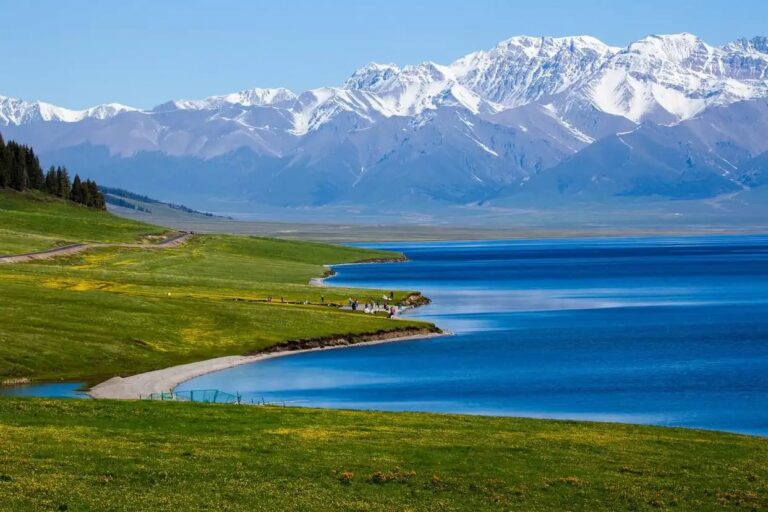
North (Kanas, Ili, Sayram): Prioritize warmth and rain gear. Waterproof boots for boardwalks and meadows. A daypack for layers you shed.
South (Kashgar, Pamirs, Hotan): Sun and dust dominate. A dust mask or scarf, light long clothing, and a warm layer for the Pamir passes (which sit at 3,000–4,700 m). Altitude medication if you are prone.
Desert (Turpan, Taklamakan edge): Maximum sun protection, extra water capacity, and closed shoes for hot sand. A small towel helps.
Often Forgotten
Toilet paper (carry your own everywhere outside top hotels), hand sanitizer, a universal sink plug for washing clothes, snack bars for long drives, and a doorstop if you are anxious about budget lodging. A paper map or offline region download is a lifesaver when signal drops on the Duku or Karakoram roads.
Pack light but pack right. The single most common regret among travelers we hear is not bringing a warm layer for a mountain stop they assumed would be hot. When in doubt, add the jacket. For a full pre-departure framework, the planning sections of our Xinjiang Travel Guide walk through timing and routes region by region.