Xinjiang Altitude Sickness: How to Stay Healthy on the Pamir and Tianshan
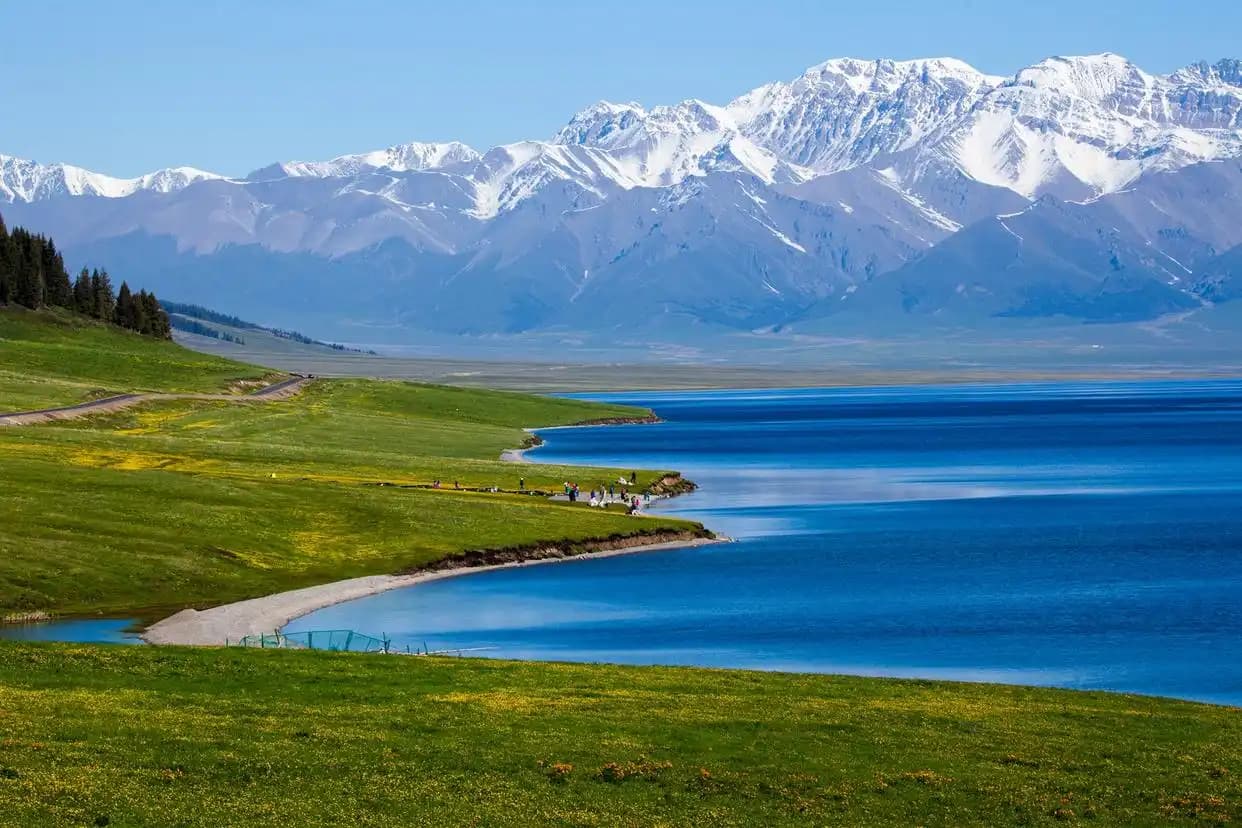
The first time I crossed into the Pamir Plateau I felt fine at the Kashgar hotel (1,290 m) and smug about it. Four hours later, somewhere past the Karakul Lake turn-off at 3,600 m, my head was thumping, my appetite had vanished, and every step toward Karakul Lake and Muztagh Ata felt like wading through glue. That was mild altitude sickness, and it is the single most common thing that ruins an otherwise perfect Xinjiang trip. This guide is what I wish someone had handed me before that drive.
Why Altitude Matters on a Xinjiang Trip
Xinjiang is huge and most of it sits high. The populated basins (Urumqi, Turpan, Kashgar) are comfortably low, but the scenic highlights that pull travelers west and north — the Pamir, the Tian Shan passes, the Karakoram approach — climb fast. Because you can drive from 1,300 m to over 4,000 m in a single day on good roads, your body never gets the slow climb it needs. The risk is not “being unfit”; it is the rate of ascent. I have met marathon runners who crumpled at 3,800 m and slow walkers who sailed through, and the difference was almost always how gradually they arrived.
The Main High-Altitude Zones
Use this table as a rough planning map. If a destination is above 3,000 m, build in acclimatization time before you sleep there.
| Region / pass | Typical elevation | Altitude risk | Notes |
|---|---|---|---|
| Kashgar & Tarim Basin towns | 1,200–1,400 m | Negligible | Safe base to acclimatize before heading up |
| Heavenly Lake (Tianchi) | ~1,900 m | Low | Day trip from Urumqi, rarely a problem |
| Duku Highway high passes | 3,000–3,400 m | Moderate | You drive through, don’t sleep high |
| Karakul Lake (Pamir) | 3,600 m | High | Popular overnight — acclimatize first |
| Tashkurgan | 3,100 m | High | Multi-night stays are common |
| Karakoram Highway passes | 4,100–4,700 m | Very high | Short exposure; watch for headache |
How Fast Is Too Fast?
A widely used rule: don’t sleep more than 300–500 m higher than the night before once you are above 2,500 m, and add a rest day for every 1,000 m gained. Most tourists break this rule simply because the roads are good. Spend one night in Kashgar, then one night at a mid-elevation stop, before committing to a Pamir lakeside cabin. The extra day costs you nothing and buys you a trip you can actually enjoy.
What I Did Before Climbing Above 3,000 m
On my second Pamir trip I changed the script and felt like a different person. The night before leaving Kashgar I drank over three liters of water, skipped alcohol entirely, and ate a carb-heavy dinner. During the drive I kept sipping water and resisted the urge to nap bundled in the back seat — gentle movement helps. At Karakul I arrived in the afternoon, walked slowly, and went to bed early without exertion. The headache never came. The difference between trip one and trip two was not luck; it was hydration, pacing, and a buffer night I had skipped the first time.
The Dehydration Trap Most Travelers Miss
High, dry, windy air pulls moisture out of you faster than you notice, and the cold hides your thirst. By the time you feel thirsty you are already behind. I now carry a 1-liter bottle and refill it at every stop, aiming for pale urine by mid-afternoon — an unglamorous but reliable signal. Add electrolyte sachets on long drive days; plain water alone will have you running to the bathroom without actually retaining what you need. Salty snacks help too, which is convenient because the roadside dried-apricot-and-nuts trade is everywhere.
Symptoms You Should Never Ignore
Mild symptoms — a dull headache, slight breathlessness, poor sleep — are normal and usually fade in a day. The danger signs are different and mean descend immediately:
- A headache that worsens despite rest and water
- Nausea or vomiting that stops you eating
- Loss of coordination, stumbling, confusion
- Breathlessness at rest, or a dry cough that won’t quit
These point to HACE (brain swelling) or HAPE (fluid in the lungs). Both are medical emergencies. The only reliable treatment is to go down, fast — even a few hundred meters helps, and descending at night on a paved road is still better than waiting.
A Practical Acclimatization Day Plan
| Day | Where | What to do |
|---|---|---|
| 1 | Kashgar (1,290 m) | Hydrate hard, no alcohol, light walking only |
| 2 | Up to a 2,500–2,800 m stop | Easy pace, monitor sleep quality |
| 3 | Karakul / Tashkurgan (3,100–3,600 m) | Arrive afternoon, walk slowly, early night |
| 4+ | High passes | Short exposure, return to lower sleep altitude |
Why I Now Build a Rest Day at 2,800 m
On the Duku and Pamir routes there are small settlement stops in the 2,600–2,900 m band that most drivers blast past. I now treat one of them as a mandatory overnight. A full day at that elevation lets my blood thicken its oxygen-carrying capacity a little before the big climb, and it turned my worst trip into my easiest. If your schedule forbids it, at least arrive at the high sleeping point in the afternoon and do nothing strenuous until morning.
Medication and What to Pack
Talk to a travel clinic before you fly. Acetazolamide (Diamox) is the standard preventive drug and helps many people, but it needs a prescription and a trial at home to check tolerance. Over-the-counter options like ibuprofen can take the edge off a mild headache. Pack a pulse oximeter if you are the anxious type — though a number on a screen is no substitute for listening to your body. The non-drug essentials are boring but decisive: 3+ liters of water a day, electrolyte sachets, sunblock (UV is brutal at altitude), and a warm layer because cold worsens symptoms. I covered the full packing list in our what to pack for Xinjiang guide.
Does Travel Insurance Cover This?
Most basic policies do not cover altitude above 3,500–4,000 m unless you add adventure cover. If you plan to sleep on the Pamir or trek, confirm the elevation limit before you buy. Evacuation from a remote plateau is expensive, slow, and weather-dependent, so the cheaper fix is never putting yourself in the danger zone unprepared.
Altitude and Pre-Existing Conditions
If you have asthma, sleep apnea, or heart issues, talk to your doctor well before the trip — not the week of. The thin air at 3,600 m is manageable for most healthy people, but it adds load your body may already be juggling. Carry your usual medication in your daypack, not checked luggage, and know the nearest hospital in Kashgar before you head up. I met a traveler who left his inhaler in the hotel and spent a miserable night; the plateau does not forgive that kind of oversight.
Children and Older Travelers
Kids usually acclimatize faster than adults, but they can’t describe a headache well, so watch for irritability and refusal to eat. For older travelers the same rest-day logic applies with more margin: add an extra buffer night rather than pushing the schedule. Nobody remembers the missed photo; everyone remembers a sick parent on the Pamir.
When things do not go to plan
If this happens: Flying straight to a high place in xinjiang
You can fly to Kashgar or Tashkurgan airport, but sleeping at Tashkurgan (3,100 m) on arrival day without a low-elevation night first is exactly how people get sick. Build in a Kashgar buffer night.
When it goes sideways: Altitude sickness worse in winter
Cold and dry air make symptoms feel sharper, and heating indoors dehydrates you. The elevation is the same year-round, but winter trips need stricter hydration. See our best time to visit Xinjiang notes for season trade-offs.
If you run into this: Fine if i’m young and fit
Fitness does not protect you — elite athletes get altitude sickness. Age and training are poor predictors. Go by elevation and ascent rate, not by how far you run at home.
On the ground: Quickly does descent relieve symptoms
Often within hours. Dropping even 500–1,000 m usually brings clear improvement for mild cases. For severe signs, descend without waiting and get medical help.
If this happens: Drinking alcohol to sleep at altitude
No. Alcohol worsens altitude sickness and dehydration and masks early warning signs. Save the toasts for Kashgar’s low basins.
When it goes sideways: There oxygen bars on the plateau
Yes, in Kashgar and some Pamir towns you’ll find supplemental-oxygen lounges and cans of oxygen for sale. They help mild symptoms temporarily but are not a substitute for ascending slowly — treat them as a bandage, not a plan.