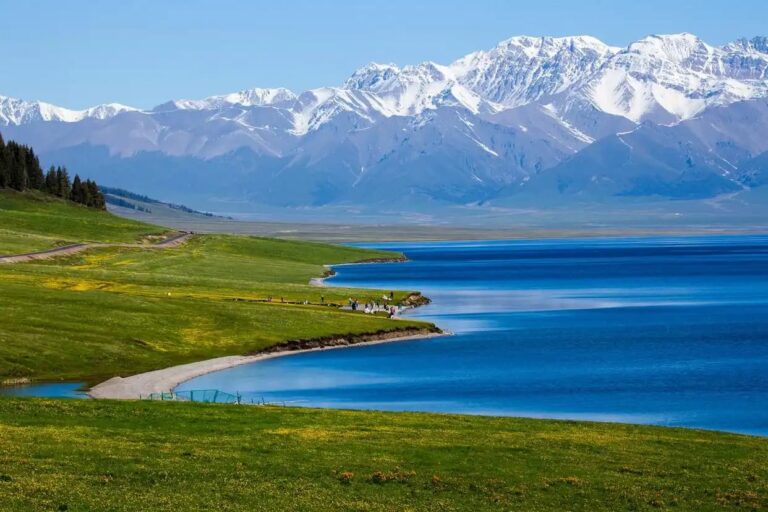
Xinjiang 10-Day Itinerary: The Perfect Northern + Southern Xinjiang Route
If you are reading this, you have probably already discovered the first and most important truth about Xinjiang: it is massive. At 1.66 million square kilometers—nearly 4.5 times the size of Germany—Xinjiang is not a place you “weekend trip” to. Ten days is the minimum to meaningfully experience both the alpine north and the Silk Road south without spending your entire holiday in a car or airport.
Last updated: July 15, 2026 · Written by Karl Huang, a Xinjiang travel specialist who has spent time across the region. Practical details are cross-checked against official tourism, transport, and border-regulation sources.
| Best time | May–October for both north and south. |
|---|---|
| How long | 10 days, north + south clockwise loop. |
| Difficulty | Moderate–High — long drives between regions. |
| Cost level | ≈¥5,000–9,000 per person. |
| Route | Urumqi → Tianchi → Burqin → Kanas → Turpan → Korla → Kuqa → Aksu → Kashgar. |
| Don’t miss | Kanas Lake, Turpan, Kuqa’s caves, and Kashgar Old City. |
This itinerary is designed for travelers who want the full spectrum: the glacial lakes and spruce forests of the north, and the desert oases, ancient Silk Road cities, and Uyghur heartland of the south. It follows a logical loop that minimizes backtracking, uses the Duku Highway as its spine, and gives each region enough time to actually breathe.
I have driven this route twice (once in June, once in September) and the single most important piece of advice I can give you is: do not rush it. Xinjiang rewards slow travel. The best moments happen when you sit still—drinking milk tea in a Kashgar teahouse, watching the light change over Kanas Lake, or eating laghman noodles in a roadside yurt. This itinerary leaves room for those moments.
For a broader overview before you commit to this route, read our best time to visit Xinjiang guide to align your dates with the right season.
Route Overview: The Clockwise Loop
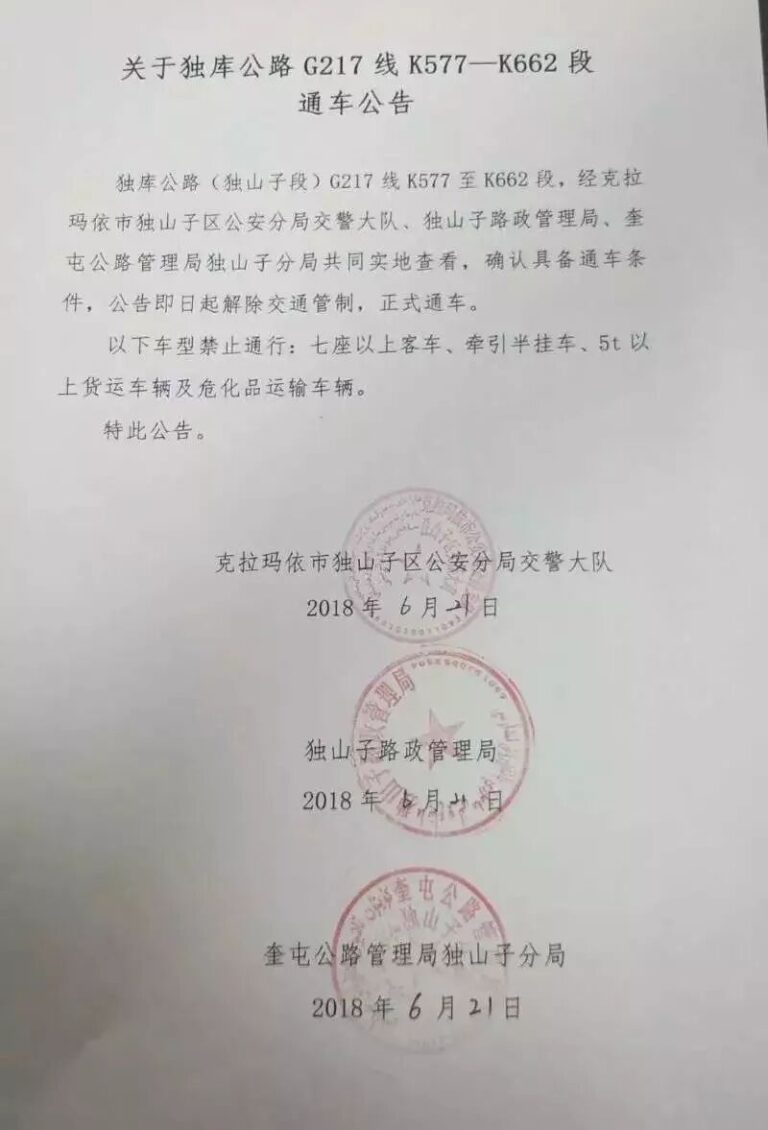
This 10-day route follows a clockwise loop starting and ending in Urumqi. Total driving: approximately 2,800 km. The backbone is the Duku Highway (G217), which crosses the Tianshan range and connects north to south.
The route: Urumqi → Tianchi → Burqin → Kanas → Urumqi (flight or overnight train) → Turpan → Korla → Kuqa → Aksu → Kashgar → Tashkurgan (optional extension) → back to Kashgar for departure.
Best months: June–early October. The Duku Highway is typically closed from late October to May due to snow. If you are traveling outside those windows, you will need to route around via the long way (add 2 extra days).
Budget estimate: ¥4,500–8,000 per person (mid-range, excluding international flights).
Day 1: Arrive in Urumqi + The Museum Foundation
Land in Urumqi Diwopu International Airport. If you arrive in the morning, head straight to the Xinjiang Uyghur Autonomous Region Museum (free, passport required, reserve via WeChat mini-program “新疆博物馆”). This museum is the cultural foundation layer that makes every subsequent site meaningful. Spend 2–3 hours here.
What to see: The Tarim Mummies gallery (3,800-year-old burials), Silk Road trade artifacts, and the ethnic minority exhibits. The museum was recently renovated (2022) and the new building is excellent—don’t skip it.
Afternoon: Walk the International Grand Bazaar. Yes, it is touristy. Yes, you should still go. The architecture is impressive, the surrounding streets have excellent first meals (laghman, samsa, nai cha), and it is a good place to buy snacks for the road.
Dinner: Try Bayi Tequ (八一特区) near the bazaar for dapanji (big plate chicken). This dish was invented in Urumqi in the 1980s—eating it here is the authentic choice.
Overnight: Urumqi city center (Hilton, Jinjiang, or mid-range options near Renmin Road). Book ahead in July–August.
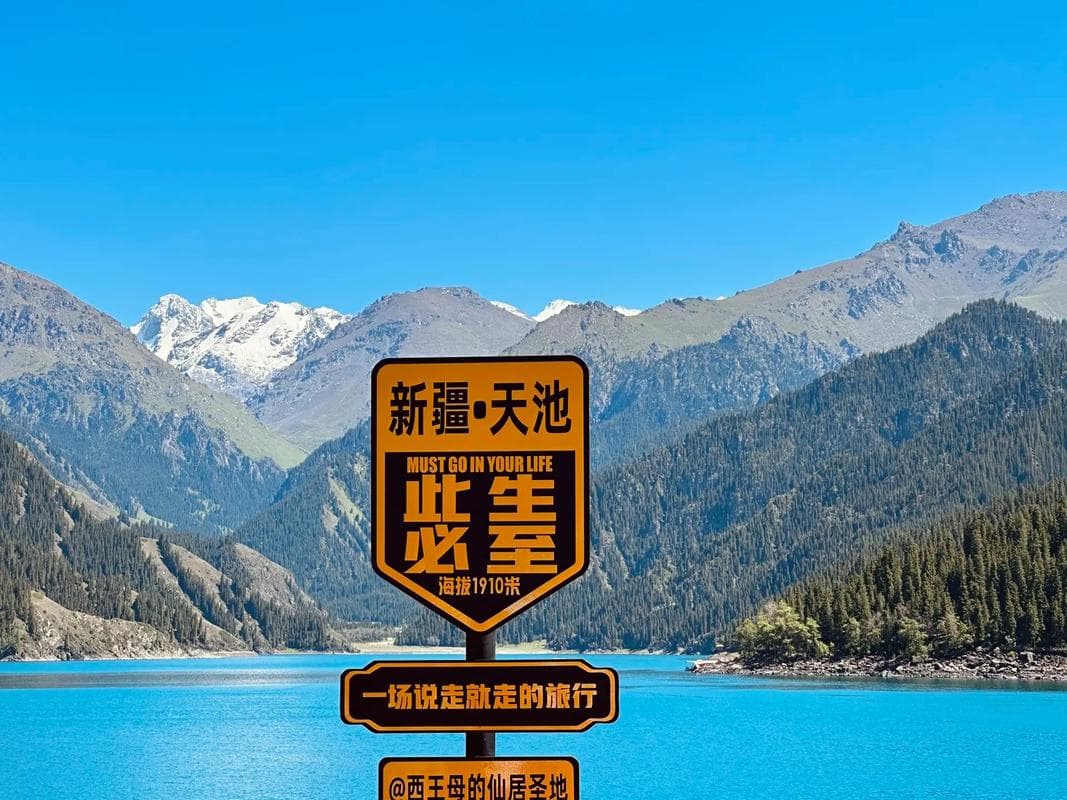
Day 2: Heavenly Lake (Tianchi) + Drive to Burqin
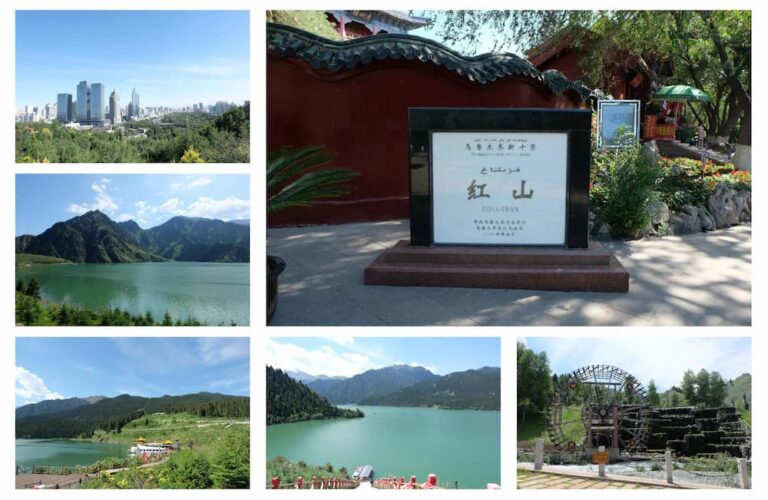
Depart 7:30 AM for Heavenly Lake (Tianchi) (~110 km / 2 hrs). Arrive early to beat tour buses.
Tickets: ~¥155 + ¥60 shuttle (mandatory). Passport required. Cable car to Maya Peak (~¥220) is optional but worth it for the aerial view.
What to do: Walk the West Shore plank trail (3 km easy loop), visit the Tianchi Legend Museum, have a lakeside picnic.
Afternoon: Drive north to Burqin (~450 km / 6–7 hrs via G216). Burqin is the gateway to Kanas and has a charming riverside night market.
Dinner: Burqin Night Market. Try the roasted fish (冷水鱼) from the Irtysh River and the local kvass (格瓦斯, a honey-bread fermented drink).
Overnight: Burqin town. Note: Accomodation inside Kanas Scenic Area is expensive and books out months ahead. Stay in Burqin and enter the park early tomorrow.
Day 3: Kanas Lake — The Alpine Gem
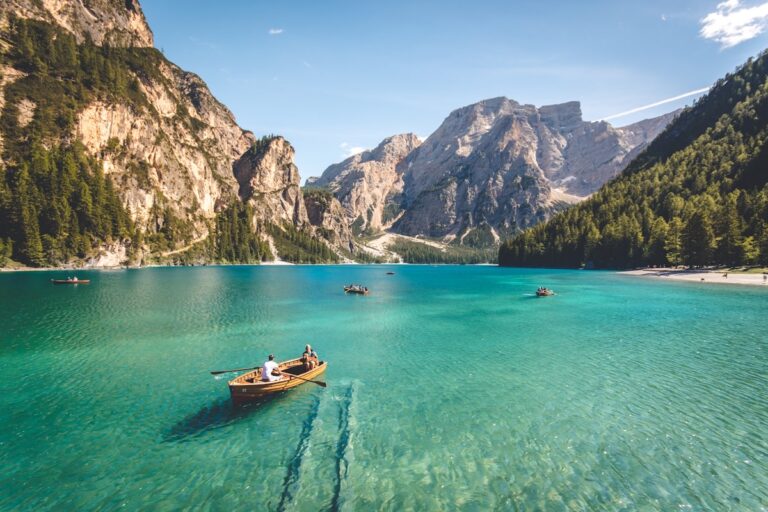
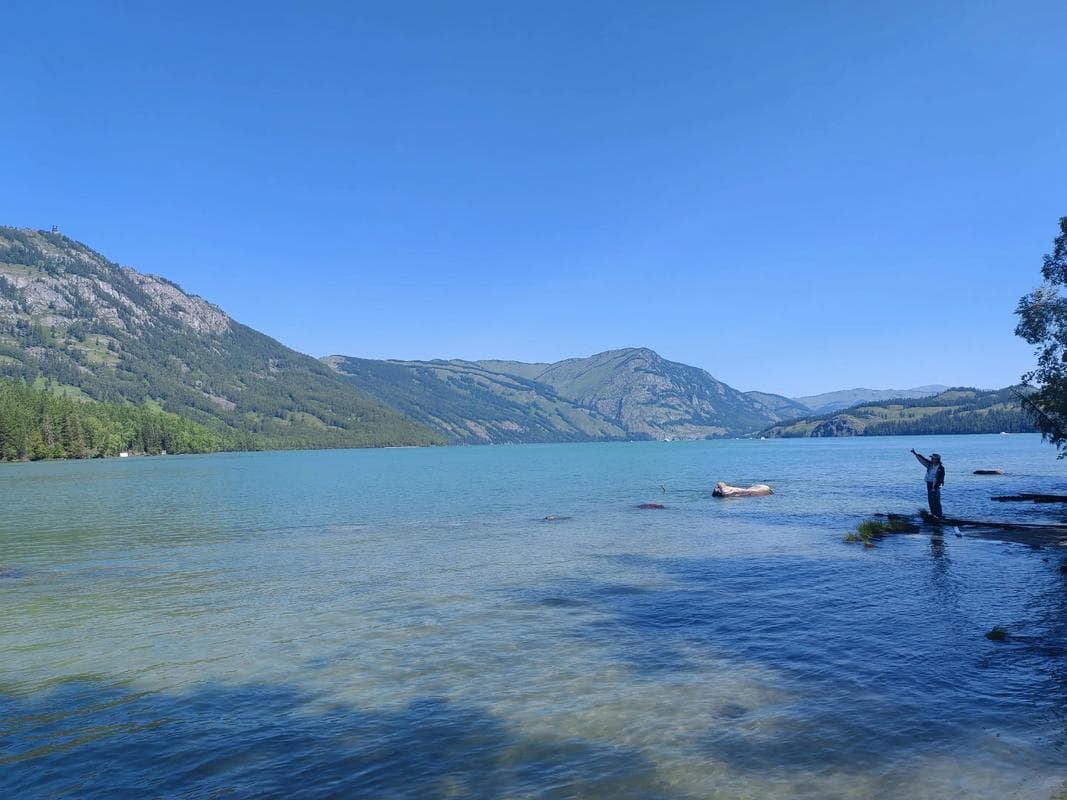
Enter Kanas Scenic Area at 8:00 AM. Kanas Lake is the crown jewel of Northern Xinjiang: a glacial moraine lake in turquoise, surrounded by spruce forest and snow peaks.
Tickets: ~¥230 (entrance + shuttle, valid 2 days). Passport required at the gate.
What to do:
- Take the shuttle to Guanyu Pavilion — a 1,065-step climb with the best panoramic view of the lake.
- Walk the Kanas River boardwalk along the outlet stream.
- Visit Hemu Village (optional, add 4–5 hours). A birch-forest timber-cabin village where Tuvan herders still live.
Overnight: Jiadengyu (the park entrance town) or return to Burqin.
For more on the folklore surrounding this lake, check our full Kanas guide.
Day 4: Burqin to Urumqi + Flight to Turpan
Drive back to Urumqi (~450 km / 6–7 hrs). Evening: Fly to Turpan (~1 hour, ¥400–800). The flight saves a full day compared to the overnight train.
Overnight: Turpan city.
Day 5: Turpan — The Hottest Place in China
Turpan sits in a depression 154 meters below sea level. It is home to the Karez—a 2,000-year-old underground irrigation system.
Morning: Karez Well System (¥40). Walking into the cool tunnel air (22°C year-round) after the street heat is a visceral lesson in desert survival.
Late morning: Sugong Minaret (¥45). An 18th-century Uyghur Islamic tower, 44 meters tall, with intricate geometric masonry.
Afternoon: Grape Valley (¥60 + ¥25 shuttle). A narrow green canyon with pergola-shaded walkways hung with 20+ grape varieties.
Read our complete Turpan guide for more detail.
Day 6: Turpan → Korla → Kuqa
Drive southwest along the Taklamakan Desert edge to Korla (~450 km / 5–6 hrs), then continue to Kuqa (~260 km / 3 hrs).
Evening in Kuqa: Kuqa is an ancient Silk Road oasis with a distinctively Central Asian feel. Try local polu (pilaf) near the old town bazaar.
Overnight: Kuqa.
Day 7: Kuqa — The Cultural Heart of the South
Morning: Kizil Caves (~¥70 + ¥20 shuttle). The oldest Buddhist cave art in China—some caves date to the 3rd century CE. Only 6 caves are open (guided tour mandatory). Photography not allowed inside.
Afternoon: Kuqa Old Town and Kuqa Royal Palace (¥40). The old town streets are less commercialized than Kashgar and more authentic for it.
Our Kizil Caves guide has everything you need to know before visiting.
Day 8: Kuqa → Aksu → Kashgar
Drive southwest to Kashgar (~710 km / 8–9 hrs). This is the longest driving day. The landscape transitions from desert to oasis to the Pamir foothills.
Evening in Kashgar: Arrive at Kashgar Old City. This is the climax of the trip—a living medieval Islamic city.
Dinner: Inside the Old City, find a teahouse on the second floor overlooking the alley. Order nai cha, samsa, and laghman.
Overnight: Kashgar (stay inside or near the Old City).
Day 9: Kashgar Old City — Full Immersion
Spend a full day in Kashgar Old City. Get lost in the alleys.
Morning: Id Kah Mosque (¥45, non-Muslims can visit outside prayer times).
Late morning: Walk the Old City alleys without a map. The best experiences are unplanned.
Afternoon: Kashgar Sunday Bazaar (if it is Sunday). This is the greatest market on the Silk Road.
Evening: Kashgar Food Street. Try chuanr (lamb skewers), nang with honey, and pomegranate juice.
Our Kashgar food guide covers the best dishes to try.
Day 10: Depart Kashgar or Extend to Tashkurgan
If your flight departs today, do final shopping in the Old City and head to the airport.
Extension option: Drive the Karakoram Highway from Kashgar to Tashkurgan (290 km / 5–6 hrs). Highlights: Karakul Lake (glacial lake at 3,600 m), Stone City, and Tajik yurt camps.
You need a border pass for Tashkurgan—apply in Kashgar 1–2 days in advance. Our border pass guide explains the process.
Practical Tips for This Route
Transportation
- Best option: Self-drive. Read our transportation guide for rental tips.
- Budget option: Long-distance buses + trains.
- Internal flights: Urumqi–Kashgar (~1.5 hrs, ¥600–1,200) can save 2 days.
Accommodation
- Book July–August at least 2–3 weeks ahead.
- Mid-range: ¥200–400/night. High-end: ¥500–1,200/night.
What to Pack
Our packing list guide covers everything by season.
Essentials: Passport (carry at all times), sunscreen (SPF 50+), layers, comfortable walking shoes, power bank, cash (small bills).
Before you go
Xinjiang is not an easy destination. The distances are vast, the language barrier is real, and the cultural context is complex. But it is also one of the most rewarding travel experiences in Asia. Give it 10 days. Follow this route. And when you sit in that Kashgar teahouse on day 9—you will understand why Xinjiang gets under your skin.
Have a question about this itinerary? Drop it in the comments or check our Xinjiang Travel FAQ.