Guitar-Shaped Naan and 5 Other Naan Varieties You Didn’t Know Existed
The Day I Saw a Naan the Size of a Guitar
I thought naan was just… naan. Flatbread. Round, maybe with some sesame seeds on top. That’s what I believed until I walked into a naan shop in Kashgar’s old city in August 2023 and saw a baker pull a naan out of his tandoor oven that was easily three feet long and shaped exactly like a guitar. Or maybe a lute — I’m not a musician, but it was clearly modeled after a string instrument, with a round body and a long neck.
Last updated: July 15, 2026 · Written by Karl Huang, a Xinjiang travel specialist who has spent time across the region. Practical details are cross-checked against official tourism, transport, and border-regulation sources.
I stood there gaping like a tourist (which, to be fair, I was) while the baker grinned and held up his creation. He sliced off a piece and handed it to me — still hot, slightly crispy on the edges, and with a chewy, satisfying interior that had absorbed just a hint of wood smoke from the oven. That was the moment I realized naan in Xinjiang isn’t just one thing. It’s not even just bread. It’s an entire category of food with more variety than I’d imagined possible.
Since that day, I’ve made it my mission to try every type of naan I can find in Xinjiang. What follows is everything I’ve learned about the six main varieties, where to find the best ones, and how to eat them without making a mess of yourself (spoiler: you will make a mess, and that’s okay).
{IMG1}First, a Quick Note on What “Naan” Means in Xinjiang
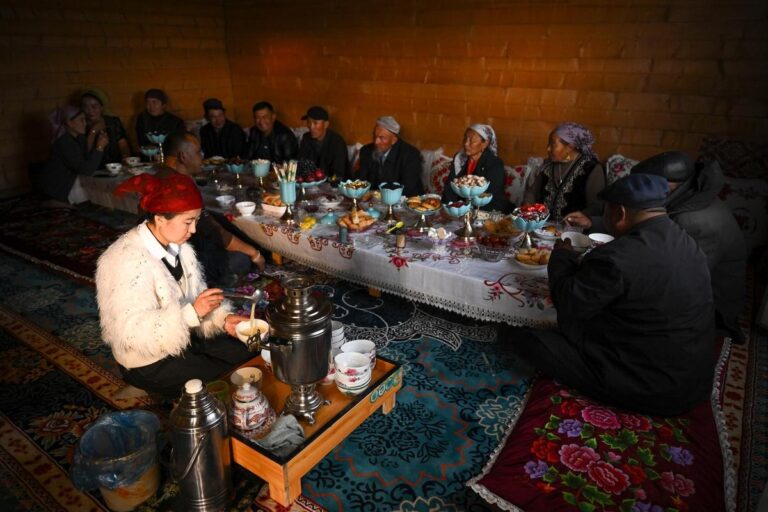
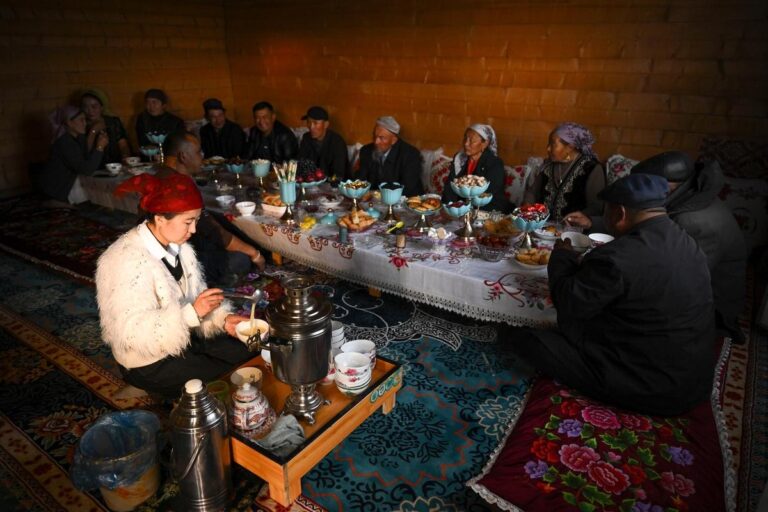
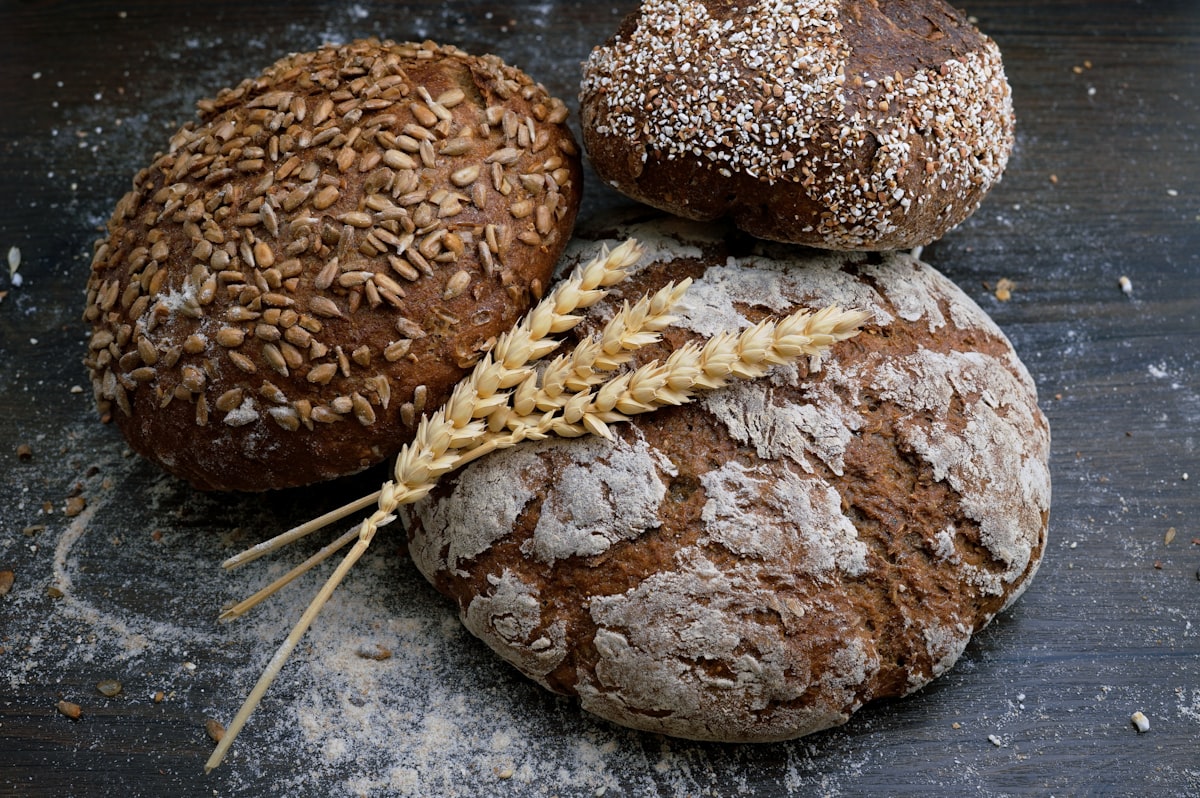
In Xinjiang, “naan” (馕, náng in Mandarin) refers to any bread baked in a tandoor — a cylindrical clay oven that’s heated from the bottom with wood or charcoal. The word itself comes from Persian, which tells you something about how deeply Central Asian food culture runs in this region. Uyghur naan is distinct from Indian naan (which is softer and often buttered) and Afghan naan (which can be long and flat). Xinjiang naan is typically crisp on the outside, chewy inside, and designed to last for days without refrigeration.
Almost every neighborhood in Xinjiang has at least one naan shop. They’re easy to spot — you’ll see the round clay oven out front, and you’ll smell the bread. That smell (smoke, wheat, and a hint of sesame) is one of my enduring memories of walking through Kashgar’s streets at dawn.
1. Guitar-Shaped Naan (吉他馕, Jita Nang)
Let’s start with the showstopper. The guitar-shaped naan isn’t the most common variety, but it’s definitely the most Instagrammable (though I’m trying to write this guide without sounding like a travel influencer, so let’s just say it’s visually striking).
This naan gets its shape from being stretched into a long oval with a narrower “neck” section. It’s typically topped with sesame seeds and sometimes a sprinkle of black cumin (called “zireh” in Uyghur). The texture is similar to other naans — crisp bottom, slightly chewy top — but because of the shape, the “neck” gets extra crispy, while the “body” stays more bread-like.
Where to Find It
Guitar naan is most commonly found in Kashgar, especially in the old city area. The shop where I first tried it is near the Id Kah Mosque — there’s usually a queue of locals in the morning, which is how I knew it was good. A full guitar naan costs about 15-25 RMB depending on size and toppings. It’s big enough to share between two people, or to keep as your breakfast for three days (naan keeps remarkably well).
How to Eat It
Guitar naan is versatile. You can eat it plain (it’s flavorful enough on its own), or use it to scoop up dips and sauces. I like to tear off a piece, dip it in yogurt, and eat it with a slice of fresh watermelon — a combination I discovered by accident at a picnic and now crave regularly.

2. Sesame Naan (芝麻馕, Zhima Nang)
If guitar naan is the extrovert of the naan world, sesame naan is the reliable friend who shows up every time. This is the most common variety you’ll see, and for good reason — it’s delicious, portable, and goes with absolutely everything.
Sesame naan is typically round, about the size of a dinner plate, and covered in — you guessed it — sesame seeds. But it’s not just seeds sprinkled on top. The baker brushes the dough with a mixture of water, salt, and sometimes a hint of oil before pressing the seeds in, so they actually adhere to the bread rather than falling off the moment you take a bite (though some will fall off, and that’s part of the experience).
The Flavor Profile
A good sesame naan has layers of flavor. First, there’s the wheat — Xinjiang grows excellent wheat, and you can taste the quality in the bread. Then there’s the nuttiness from the sesame seeds, which get toasted during baking. Finally, there’s a subtle savoriness from the salt brine used to prep the dough. It’s not a complicated bread, but when it’s fresh, it’s deeply satisfying.
Best Consumed…
Within an hour of coming out of the oven. I know I said naan keeps well, and it does, but there’s something special about fresh sesame naan that you can’t recapture once it’s cooled. The outside should shatter slightly when you tear it, giving way to a steamy, soft interior. If you’re near a naan shop in the morning (say, 8-10 AM), buy one fresh and eat it while walking. It’s the best breakfast I’ve had in China.
3. Onion Naan (皮牙子馕, Piyazi Nang)
“Piyazi” is the Uyghur word for onion, and this naan is studded with pieces of mild onion that have been caramelized during baking. The onions aren’t large chunks — they’re small pieces mixed into the dough or pressed into the surface, so you get little bursts of sweetness in every bite.
This is actually my personal favorite variety. There’s something about the combination of wheat bread and onion that feels deeply right, like it’s tapping into some ancient comfort food memory. The onion also adds moisture to the bread, making it less dry than plain sesame naan.
A Note on “Onion” in Xinjiang
The onions used in piyazi naan are usually the mild, sweet variety grown in Xinjiang. They’re nothing like the eye-watering onions you might be used to. When baked, they become jammy and sweet, more like a caramelized onion topping on a tart than a raw vegetable. If you normally hate onions, you might still like this naan — don’t knock it till you’ve tried it.
Pairing Suggestions
Onion naan is fantastic with strong black tea — the astringency of the tea cuts through the richness of the bread. It’s also excellent alongside laghman if you want to mix carbs (and in Xinjiang, mixing carbs is not only accepted, it’s encouraged). Some people eat it with soup, tearing the naan into pieces and letting it soak up the broth.

4. Rose Petal Jam Naan (玫瑰花酱馕, Meiguihua Jiang Nang)
This is the one that surprised me most. I was wandering through a bazaar in Yining (northern Xinjiang) when I saw a naan that looked like it had been in a fight with a flower garden. It was topped with what looked like crushed roses mixed with a dark, sticky jam.
I bought a piece skeptically. Rose-flavored things can go very wrong very quickly — I’m looking at you, cheap rose candy. But this was different. The rose petals had been mixed with sugar and maybe a touch of honey to make a thick jam, which was then spread on the naan before baking. The heat of the oven concentrated the floral notes without making them soapy.
When and Where to Eat It
Rose petal naan is more of a dessert bread than an everyday staple. It’s sweeter than the other varieties, though not cloyingly so. In Yili Prefecture, where this style originates, you’ll often see it served with tea in the afternoon. It pairs beautifully with thick yogurt — the tartness of the yogurt balances the floral sweetness of the bread.
You can find rose naan in Kashgar and Urumqi now, but for the real deal, go to Yining. There’s a shop on the walking street there that makes rose naan fresh every morning, and the owner told me they use roses from their own garden. At 10 RMB a piece, it’s one of the best-value souvenirs you can buy in Xinjiang.
5. Oil Naan (油馕, You Nang)
Oil naan is the indulgent cousin in the naan family. Before baking, the dough is brushed with oil (sometimes clarified butter, sometimes vegetable oil) that soaks into the bread and makes it richer and more tender than plain naan.
The first time I had oil naan was at a roadside stop on the Karakoram Highway. I was starving, it was cold, and the baker handed me a piece of warm oil naan that basically melted in my mouth. The oil makes the bread more pliable and gives it a golden color. It’s also more calorie-dense, which is why you’ll see truck drivers and long-distance travelers buying it — it’s fuel food.
Storage and Reheating
Oil naan actually keeps better than plain naan because the oil acts as a preservative (in the traditional sense, not the chemical sense). You can keep it for a week at room temperature, and it’ll still be edible. To reheat, sprinkle a few drops of water on it and put it in a low oven for 5 minutes. The steam will revive the texture, and it’ll taste almost fresh.
6. Milk Naan (牛奶馕, Niunai Nang)
Milk naan is made with milk instead of water, which gives it a softer texture and a subtle sweetness. It’s less common than the other varieties, but it’s worth seeking out if you have a sweet tooth or if you’re traveling with kids who might find the other naans too savory.
The milk also makes the bread more nutritious (more protein, more calcium), which is why you’ll sometimes see it sold as a breakfast bread. In Urumqi, I found a shop that makes mini milk naans — about the size of a hockey puck — that are perfect for snacking.
The Texture Difference
Because of the milk, this naan has a more cake-like crumb. It’s less chewy than sesame naan and more tender. If you’re not a fan of bread with a lot of bite, milk naan might be your gateway into the world of Xinjiang breads.
Why Kashgar Makes the Best Naan
I’ve eaten naan in Urumqi, Yining, Turpan, and half a dozen small towns, and I stand by my assessment that Kashgar makes the best naan in Xinjiang. Several factors contribute to this:
- Older tandoor ovens: Some of the naan shops in Kashgar’s old city have been using the same tandoor for decades. The clay absorbs flavors over time, and bread baked in a well-seasoned tandoor has more depth.
- Better wheat: The wheat grown around Kashgar is considered high-quality, with good gluten content for chewy bread.
- Tradition: Naan-making in Kashgar is often a family business passed down through generations. The bakers take pride in their craft in a way that’s sometimes lost in bigger cities where naan is mass-produced.
- The right wood: Tandoor ovens are heated with wood, and in Kashgar, they often use local fruit woods (apricot, almond) that impart a subtle fruity smoke to the bread. I’m not saying every naan in Kashgar tastes like apricots, but there’s a complexity to the smoke flavor that I don’t taste elsewhere.
The Experience of Eating Fresh Naan
If you’ve only ever had naan that’s been sitting in a plastic bag on a supermarket shelf, you owe it to yourself to try fresh naan in Xinjiang. The difference is like night and day. Fresh naan is:
- Hot: Straight from the tandoor, it’ll be 200°C on the bottom and will burn your fingers if you’re not careful. Locals handle it with a folded cloth or just tough it out.
- Crispy: The bottom of the naan (the part that was in contact with the tandoor wall) should be blistered and crisp. This is the best part — I always eat the bottom first.
- Steam-filled: When you tear fresh naan, steam should rise from the interior. That steam carries the scent of wheat and fire, and it’s intoxicating.
- Slightly smoky: You can taste the wood smoke from the tandoor. It’s not overpowering, just a background note that makes the bread more interesting.
How to Store Naan (So It Doesn’t Turn Into a Rock)
Naan is designed to be a preservation-friendly bread. In the old days, people would take naan on long journeys across the desert because it could last for weeks. But “can last for weeks” doesn’t mean “tastes good after weeks.” Here’s how to store it properly:
Short-Term (1-3 Days)
Keep it at room temperature in a bread box or a cloth bag. Don’t seal it in plastic — the moisture will get trapped and make the bread soggy, then moldy. A cloth bag allows airflow while keeping the bread from drying out completely.
Medium-Term (Up to a Week)
If your naan has gone stale (it happens), don’t throw it out. Stale naan is the secret ingredient in several Xinjiang dishes. You can:
- Toast it: A few minutes under the broiler brings back some crispness.
- Make naan crumbs: Blitz stale naan in a food processor and use it as breadcrumbs for coating fried chicken or fish.
- Naan soup: Some restaurants make a soup where stale naan is soaked until soft. It sounds weird, but the bread absorbs the soup and becomes… actually pretty good.
Long-Term (Freezing)
You can freeze naan for up to three months. Wrap it tightly in foil, then put it in a freezer bag. To reheat, thaw at room temperature for an hour, then warm in the oven. It won’t be quite as good as fresh, but it’ll satisfy a naan craving when you’re back home and missing Xinjiang.
Integrating Long-Tail Keywords Naturally
When I was first looking for the best naan shop in Kashgar old city, I wished someone had written a guide that went beyond “the naan is good.” That’s why I’m sharing specifics — if you’re searching for different types of Xinjiang naan bread or wondering about the price of guitar-shaped naan in Kashgar, hopefully my experience helps you navigate the overwhelming number of options.
For travelers interested in traditional tandoor oven bread Xinjiang style, naan is just the beginning — there are also samsa (meat pies) cooked in the same ovens. And if you’re trying to figure out how to keep naan fresh during travel, the cloth bag method I mentioned is what locals have used for centuries, so it’s worth trying even if it seems low-tech.
FAQ: Common Questions About Xinjiang Naan
Is Xinjiang naan the same as Indian naan?
No, though they share a common ancestor (the tandoor oven, which likely originated in Central Asia or the Middle East). Indian naan is typically softer, often buttered or brushed with ghee, and sometimes stuffed with fillings like potatoes or paneer. Xinjiang naan is crisper, usually unbuttered, and rarely stuffed (though there are some stuffed varieties). Indian naan is more of a restaurant bread; Xinjiang naan is an everyday staple that people eat with every meal.
Can I visit a naan shop and watch the baking process?
Absolutely, and I highly recommend it. Naan shops in Xinjiang are very open — the tandoor is usually right out front, and bakers are used to people watching. In Kashgar’s old city, I spent maybe 20 minutes just watching a baker stretch dough, press in sesame seeds, and slap the bread onto the tandoor wall. He didn’t speak English, but he smiled and offered me a piece that had just come out. Some shops even offer naan-making classes if you ask nicely and are willing to pay a bit extra.
How much does naan cost in Xinjiang?
Naan is incredibly affordable. Based on my purchases across multiple trips:
– Sesame naan: 3-8 RMB each
– Onion naan: 5-10 RMB each
– Guitar naan: 15-25 RMB each
– Rose petal naan: 8-15 RMB each
– Oil naan: 5-12 RMB each
– Milk naan: 5-10 RMB each
Prices are higher in tourist areas and lower in residential neighborhoods. The difference can be significant — a sesame naan that costs 3 RMB near a local market might be 8 RMB near the Id Kah Mosque. Both are the same bread; you’re paying for convenience in the second case.
Is naan in Xinjiang vegetarian/vegan?
Most basic naan (sesame, onion, plain) is vegan — it’s just flour, water, salt, and sesame seeds. However, oil naan might use animal fat depending on the shop (though most use vegetable oil), and milk naan obviously contains dairy. If you’re strict about veganism, ask “yǒu méiyǒu dòngwù yóu” (有没有动物油) — “does this contain animal fat?” Most bakers will understand and point you to the vegan options.
Why is some naan rock-hard and some soft?
Age, mostly. Fresh naan (within a few hours of baking) should be crisp on the bottom and chewy inside. After a day, it starts to dry out and harden. After three days, it can indeed be rock-hard. This is normal and intentional — naan was designed to be a travel bread that could survive long journeys. If your naan has gone hard, see my storage tips above for revival techniques. Or just respect it for what it is: bread that’s doing exactly what it was bred to do.
Can I buy naan to take home as a souvenir?
Yes, but with caveats. Naan travels reasonably well because it’s dry and sturdy. If you’re traveling within China, you can easily pack naan in your luggage (though your clothes will smell like bread for a week, which is not the worst thing). If you’re flying internationally, check your country’s customs regulations — most allow commercially packaged bread products, but “a naan I bought at a street shop in Kashgar” might raise questions with agricultural inspectors. I usually bring naan home in my checked luggage wrapped in foil, and I’ve never had issues within China. Your mileage may vary internationally.