Duku Highway Self-Drive: What the Guidebooks Don’t Tell You
If you are planning a self-drive trip in Xinjiang, there is one road that should be at the top of your list: the Duku Highway (独库公路). This 561-kilometer (349-mile) mountain highway connects Dushanzi (独山子) in northern Xinjiang to Kuqa (库车) in southern Xinjiang, crossing the Tianshan Mountains and passing through some of the most dramatic landscapes in all of China.
Last updated: July 15, 2026 · Written by Karl Huang, a Xinjiang travel specialist who has spent time across the region. Practical details are cross-checked against official tourism, transport, and border-regulation sources.
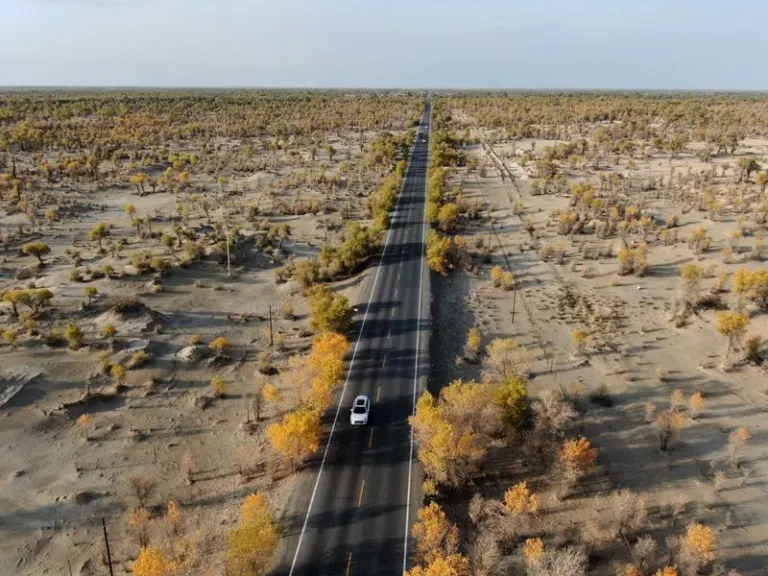
The Duku Highway is not just a road — it is a destination in itself. Along its 561 kilometers, you will pass through deep river valleys, alpine meadows, snow-capped peaks, pristine lakes, and desert gorges. In a single day of driving, you can experience climate zones that range from frigid alpine to scorching desert.
This is your complete self-drive guide to the Duku Highway: the route, the best stops, driving conditions, when to go, and practical tips that will make your trip safer and more enjoyable.
What Is the Duku Highway?
The Duku Highway (独库公路, “Dù-Kù Gōnglù”) is a national highway (G217) that crosses the Tianshan Mountains, connecting northern and southern Xinjiang. It was built between 1974 and 1983 by the People’s Liberation Army, and 168 soldiers lost their lives during its construction. Today, there is a memorial at the highest point of the highway (the “Hero’s Slope”) honoring those who died.
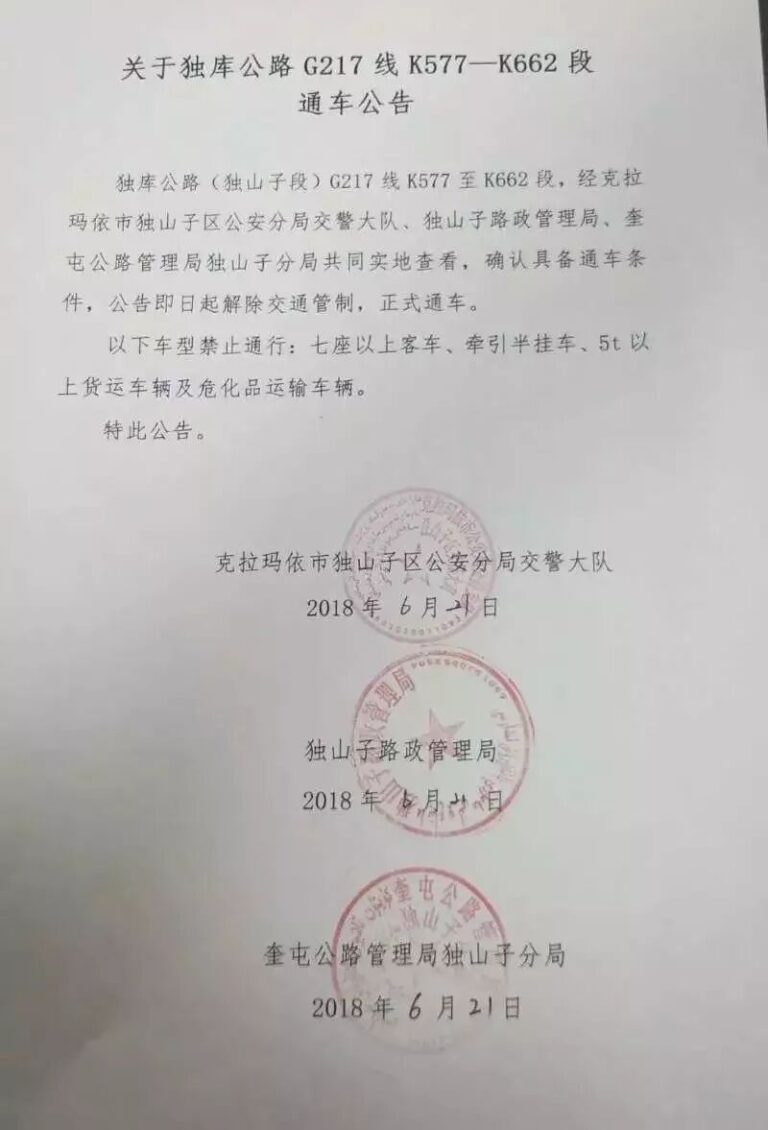
The highway is open only from June to October (exact dates depend on snow conditions). For the rest of the year, the high mountain passes are blocked by snow, and the road is impassable.
The Route: Dushanzi to Kuqa (North to South)
The Duku Highway runs roughly north to south. Most self-drive travelers start in Dushanzi (near Urumqi) and drive south to Kuqa (in the Taklamakan Desert). This direction lets you gradually gain altitude and acclimate to the high mountain passes.
Key stops along the way:
1. Dushanzi District (独山子区) — The Northern Starting Point
Dushanzi is an industrial district of Karamay, about 250km from Urumqi. It is where the Duku Highway officially begins. There is a monument marking the start of the highway, and it is a popular photo spot.
2. Qiaoma (乔玛) — The First Mountain Pass
About 70km from Dushanzi, you will start climbing into the Tianshan. Qiaoma is a small settlement with stunning views of the surrounding peaks.
3. Hashilegen Pass (哈希勒根达坂) — 3,400m Above Sea Level
This is the first major high pass, at an elevation of 3,400 meters (11,155 feet). Even in summer, there can be snow here. The views are spectacular.
4. Nileke (尼勒克) — Grassland and Yurts
Nileke is a Kazakh grassland area with yurts, horses, and stunning mountain scenery. It is a great place to stop for the night and experience Kazakh culture.
5. Bayinbuluke (巴音布鲁克) — The Alpine Wetland
Bayinbuluke is one of the highlights of the Duku Highway. It is a vast alpine wetland with curving rivers, yurtr camps, and the famous “Nine-Bend and Eighteen-Bend” river (九曲十八弯), which creates a stunning sunset reflection.
6. Tielimaiti Pass (铁力买提达坂) — 3,700m
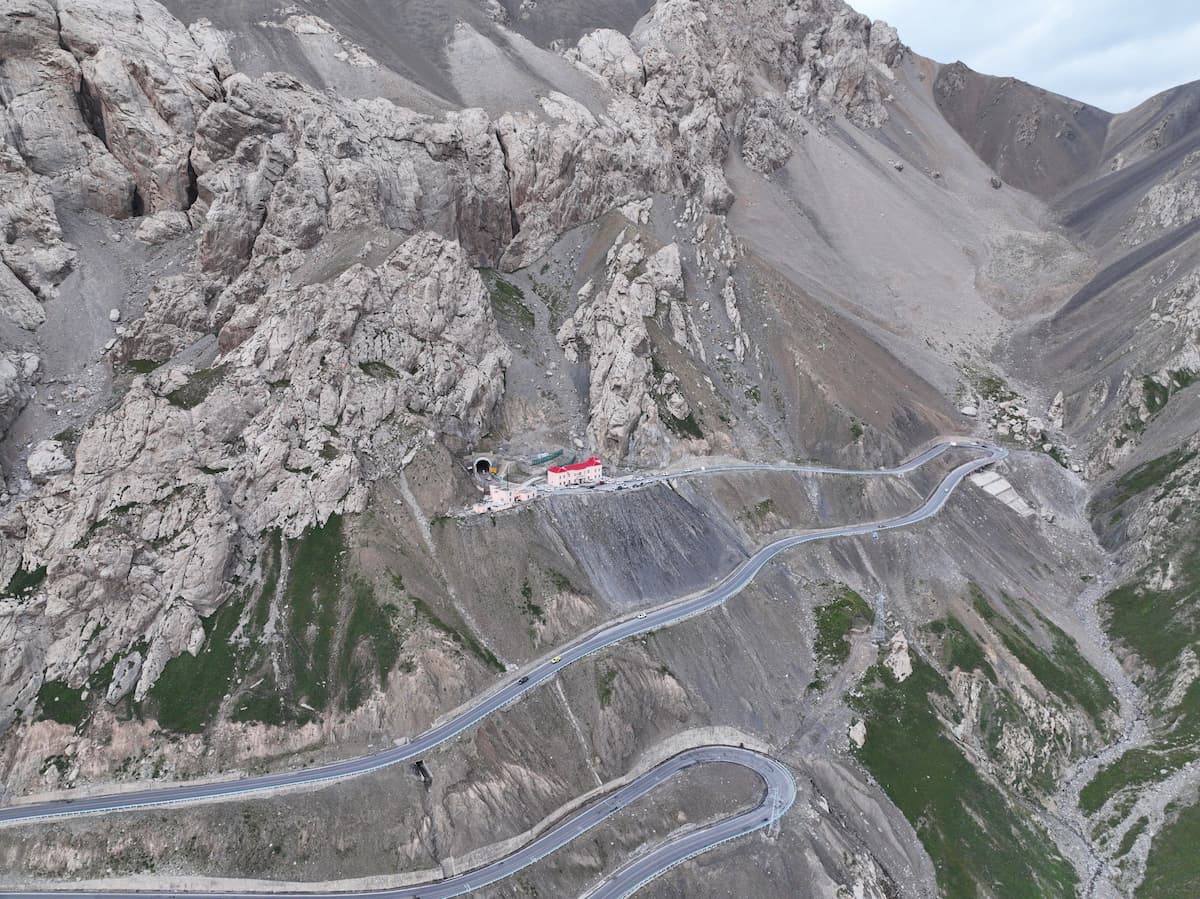
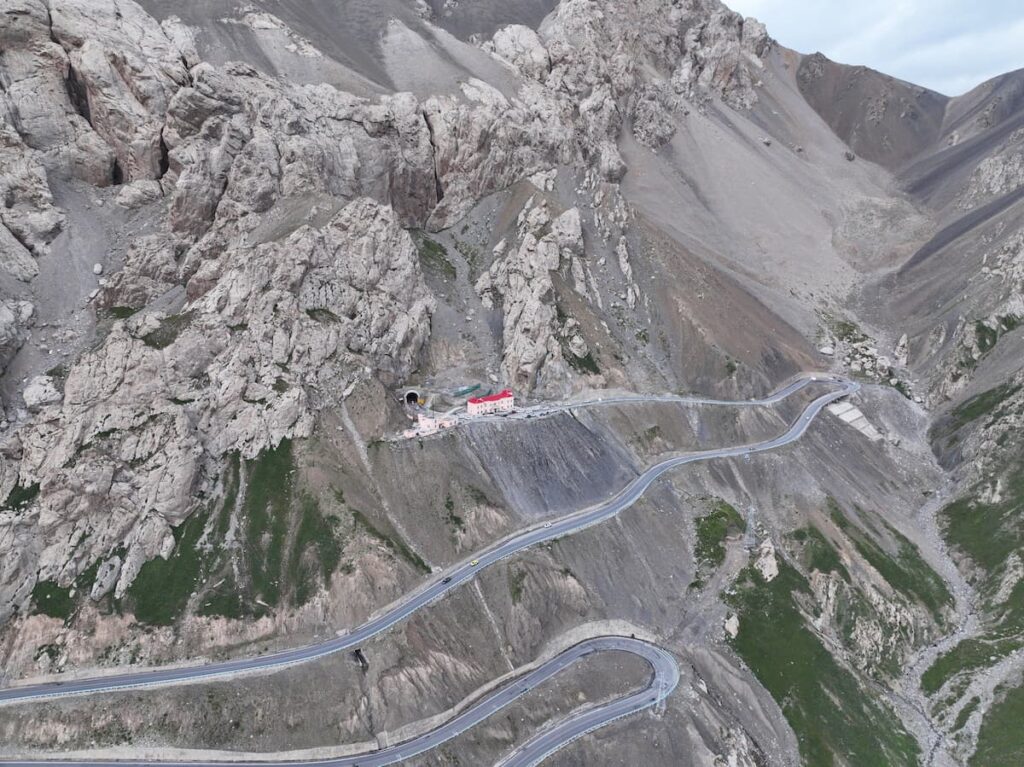
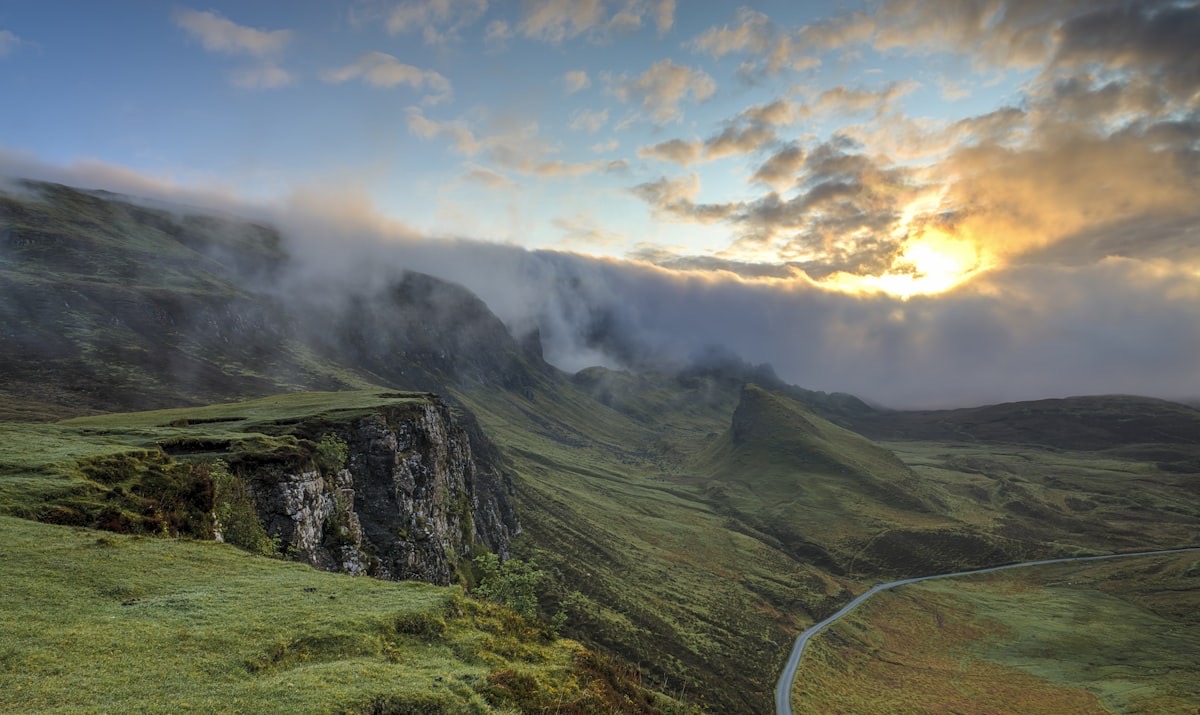
The highest point of the Duku Highway, at 3,700 meters (12,139 feet). There is a tunnel here (the Tielimaiti Tunnel), which was completed in 2019 and replaced the old, dangerous mountain road.
7. Kuqa (库车) — The Southern Endpoint
Kuqa is an ancient Silk Road city with a rich history. It is the end of the Duku Highway. From here, you can continue south to Hotan, or east to Turpan.
Best Time to Drive the Duku Highway
The Duku Highway is only open from June to October. The best months are:
- June: The road has just opened. Snow may still be present at the high passes. Few tourists.
- July to August: Peak season. Warm weather, all facilities open, but more tourists.
- September: My personal favorite. The weather is stable, the landscapes are turning golden, and the crowds have thinned.
- October: The road may close mid-to-late October due to snow. Check conditions before going.
Driving Tips for the Duku Highway
- Vehicle requirements: A regular sedan can handle most of the Duku Highway, but SUV or 4WD is recommended for comfort and safety.
- Altitude sickness: The highest point is 3,700m. If you are prone to altitude sickness, take precautions.
- Weather changes rapidly: It can be sunny at the start of the day and snowing at the high passes. Bring warm clothing.
- No gas stations for long stretches: Fill up whenever you see a gas station. There are long stretches without fuel stops.
- Start early: Start your day’s drive by 8 AM to avoid afternoon thunderstorms (common in summer).
Accommodation Along the Duku Highway
Accommodation options along the Duku Highway range from basic guesthouses to yurt stays:
- Dushanzi: Full range of hotels.
- Nileke: Small guesthouses and yurt stays.
- Bayinbuluke: Several hotels and guesthouses. Book in advance during peak season.
- Kuqa: Full range of hotels.
Conclusion
The Duku Highway is one of the most scenic roads in the world, and a must-drive for any self-drive enthusiast. It is not just about getting from point A to point B — it is about the journey itself, the landscapes you pass through, and the sense of accomplishment when you reach the southern endpoint.
Pro tip: Download offline maps before you start. Cell phone coverage is spotty in the mountains. And always, respect the weather — if conditions deteriorate, do not push on. Wait it out or turn back.
Is Xinjiang safe to visit?
Yes, Xinjiang is considered very safe for tourists with strong security presence throughout the region.
Do I need a visa?
Foreigners need a valid Chinese visa. No separate Xinjiang permit needed for most tourist areas.
What currency should I bring?
Chinese Yuan (RMB). Credit cards accepted in hotels; carry cash for markets and rural areas.
Can I find English-speaking guides?
Available in major tourist areas through hotels or travel agencies. Book in advance for best results.