Kashgar Old Town: The Architecture and Uyghur Culture Behind the Maze
{ “@context”: “https://schema.org”, “@type”: “Article”, “headline”: “Kashgar Old Town: The Architecture and Uyghur Culture Behind the Maze”, “description”: “In the vast southwestern reaches of Xinjiang, nestled at the foot of the Pamir Plateau, lies a living millennium-old city—the Old Town of Kashgar. It is…”, “url”: “https://www.xinjiangtraveltips.com/kashgar-old-town-xinjiang-the-eternal-millennium-maze-on-the-silk-road/”, “datePublished”: “2026-01-30”, “dateModified”: “2026-01-30”, “mainEntityOfPage”: { “@type”: “WebPage”, “@id”: “https://www.xinjiangtraveltips.com/kashgar-old-town-xinjiang-the-eternal-millennium-maze-on-the-silk-road/” }, “publisher”: { “@type”: “Organization”, “name”: “Xinjiang Travel Tips”, “url”: “https://www.xinjiangtraveltips.com” }
}
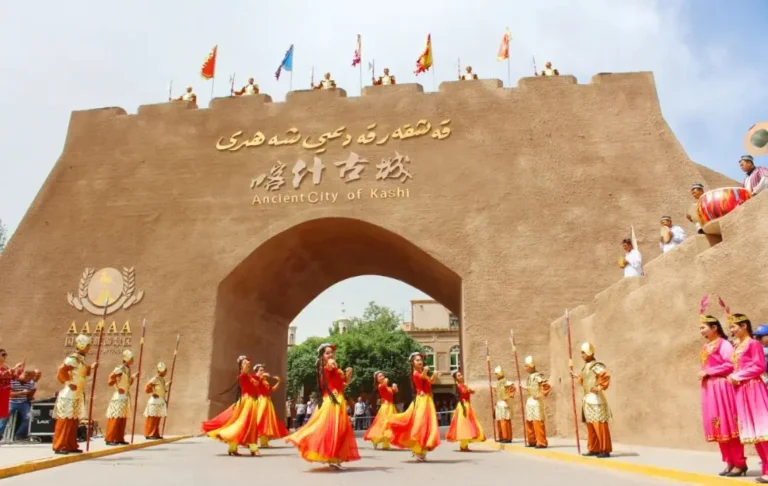
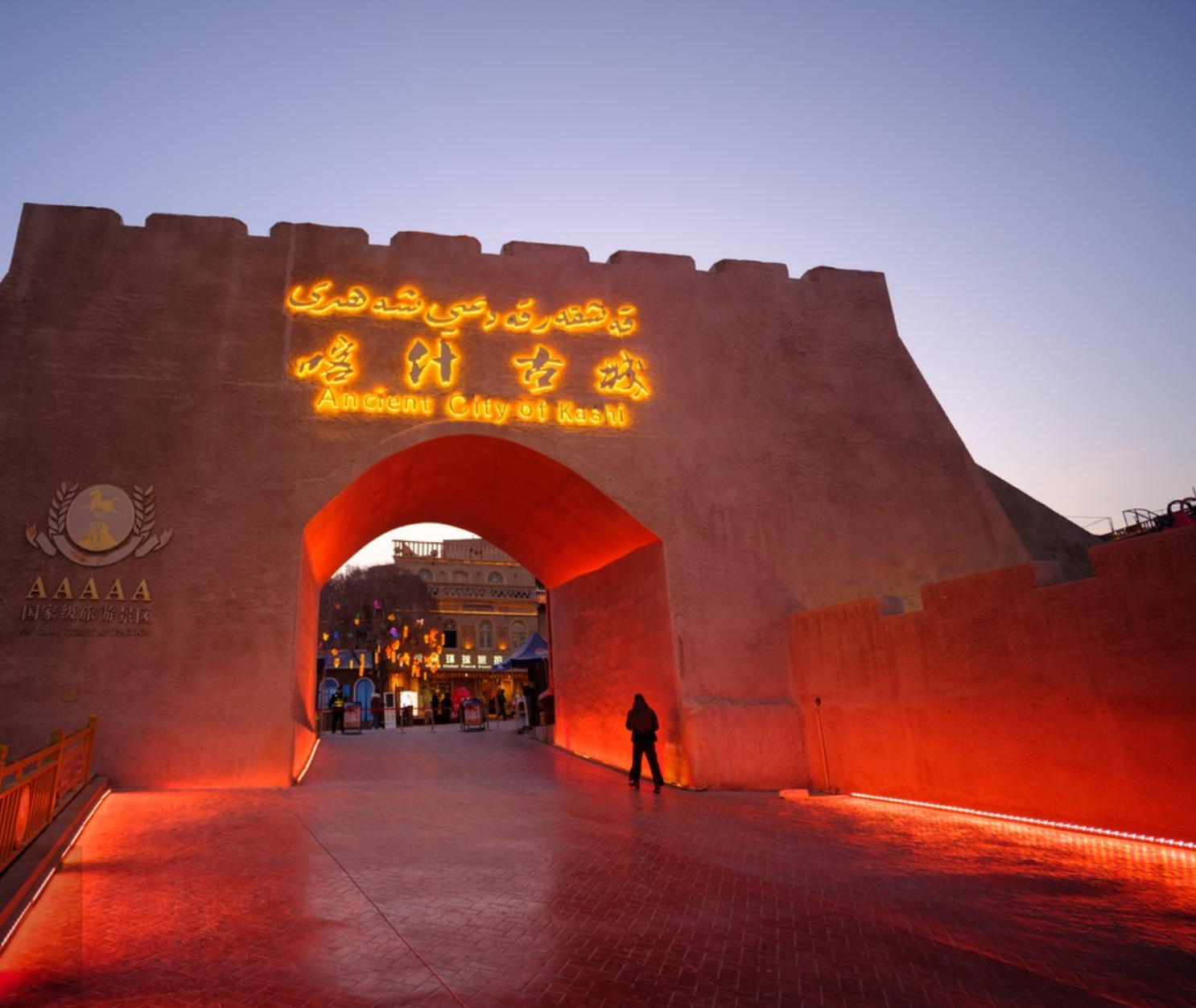
Kashgar Old Town (喀什古城) is older than most countries, and calling it a “town” undersells what it is: a continuous, lived-in neighbourhood that has been remade and rebuilt along the same footprint for roughly two millennia. This piece goes behind the mud-brick surface — the architecture, the rebuilding, and the Uyghur culture that keeps the maze alive. For visiting logistics, see the main Old Town guide.
A Silk Road crossroads
Kashgar sat where the northern and southern Silk Road branches met at the foot of the Pamir Plateau, so the old town has always been a place of arrival — merchants, pilgrims, and languages layering over each other for centuries. That deep trade history is why the craft alleys (copper, knives, hats, musical instruments) still feel like working workshops rather than souvenir stalls.
The architecture: earth, not stone
The defining material is mud-brick and timber. The lane houses are low, thick-walled, and built around a courtyard — cool in summer, warm in winter, and easy to rebuild after the region’s frequent shakes. The famous “maze” is not random: it is a defensive, shade-maximising layout where dead-end lanes and dog-legs slowed any intruder and sheltered the interior from the sun.
The rebuilding — and why it matters
A major reconstruction in the late 2000s–2010s replaced unsafe structures with code-compliant builds in the same traditional style. It is genuinely contested: critics call it sanitising; residents often cite safer homes and kept livelihoods. Either way, what you walk today is a working neighbourhood in historic dress, not a museum set — families still cook, pray, and raise children behind those carved doors.
What a local driver would refuse to do
My host in Kashgar said the pass was two hours, meaning two hours driving without the stops, and that is the number to plan around, not the one the map shows. A driver who knows this road gives you the honest distance. What they will refuse is a night drive over the high sections in winter, and they are right. What they will happily do is leave at five in the morning to catch the light, and that is the version worth asking for.
The checkpoints, honestly
They are short, they are not hostile, and the whole process for a foreign plate takes longer than for a local one because the officer has to make an entry. Keep passport and car documents in the glovebox rather than the boot so you are not unpacking in front of a queue. Write down the address of tonight’s accommodation, because that is the question they ask. They are tedious rather than dangerous, and the driver’s document pack is the only thing that makes them quick. Nobody has ever been rude to me at one of these. You will stop at checkpoints. I wrote the driving side up in our [[xinjiang-kashgar-old-town-walk|Walking Kashgar’s Old Town Without a Guide]] as well.
Fuel, and the gaps where there is nothing
Fill before you leave anything with a city name on the map, even if the next is only ninety minutes out. Every town on this route has a station and every station takes cards, which is the good news. I have been on a road in this region where the next fuel was two hours back, the reason being a closure, and the only thing that got me moving was a trucker with a spare can. The bad news is the distance between them through the middle sections, enough that a full tank is arithmetic rather than paranoia. Where most people get the logistics wrong is covered in our [[7-day-southern-xinjiang-itinerary-kashgar-the-pamir-plateau-the-silk-road-oases|7-Day Southern Xinjiang Itinerary: Kashgar,…]].
The living culture
- Tea culture: the old teahouses are social clubs as much as cafés — dutar music, chess, talk.
- Music and dance: the twelve-muqam classical tradition has deep roots here; you may hear it spill from a courtyard.
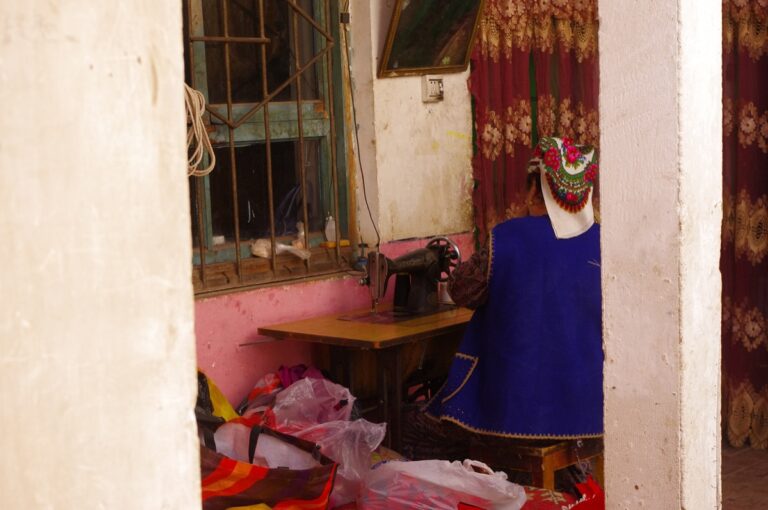
- The courtyard home: the real unit of old-town life — a private green heart behind a plain street face.
Reading the town as you walk
Look up: the carved wooden lintels and painted beams are where craft shows. Look down: the coloured tile wayfinding in the lanes is a modern system laid over an ancient plan. And listen: the call to prayer from Id Kah threads the whole maze together several times a day.
To see the town’s market soul at full volume, time a visit to the Sunday Bazaar — the descendant of those same Silk Road exchanges.