Best Time to Visit Kashgar, Xinjiang in 2026
Last updated: July 15, 2026 · Written by Karl Huang, a Xinjiang travel specialist who has spent time across the region. Practical details are cross-checked against official tourism, transport, and border-regulation sources.
There is no single perfect time to travel to Kashgar in 2026 — your ideal visiting window depends entirely on the travel experience you seek. Located in southwestern Xinjiang at the eastern foot of the Pamir Plateau, Kashgar features a temperate continental arid climate with four distinct seasons and drastic day-night temperature differences. As the core hub of Uyghur culture and the gateway to the Pamir Plateau, it borders Pakistan, Tajikistan and other Central Asian countries.
For international travelers in pursuit of mild weather and in-depth cultural immersion, spring and autumn are unquestionably the best time to visit Kashgar. Meanwhile, summer and winter each offer irreplaceable unique highlights for photographers, adventure seekers and off-the-beaten-path explorers.
Why Visit Kashgar in 2026?
- In-depth Cultural Tourism Experience: 2026 marks an advanced phase of the China Silk Road Cultural Tourism Year. As a key destination along the ancient Silk Road, Kashgar will host a wealth of international cultural events and immersive activities, allowing foreign visitors to engage with traditional Uyghur handicrafts, folk music, dance and local festivals.
- Upgraded Transportation Network: Kashgar International Airport continues to expand its route network, with multiple new direct flights to Central Asia and Europe scheduled to launch in 2026. The full opening of the Kashgar–Taxkorgan expressway will greatly shorten travel time to the Pamir Plateau.
- Improved Smart Tourism Services: Kashgar Old Town has completed a comprehensive upgrade of its multilingual smart tour guide system, offering real-time interpretation and commentary in 24 languages. Travelers can enjoy immersive cultural experiences via mobile applications.
- Optimized Border Travel Policies: Driven by the Belt and Road Initiative, border travel regulations will be further streamlined in 2026, making it easier for foreign tourists to complete entry and passage procedures for border areas such as Taxkorgan.
- Balanced Ecology & Tourism Development: Kashgar keeps advancing the construction of ecotourism demonstration zones, protecting the fragile ecological environment of the Pamir Plateau while delivering sustainable and high-quality travel experiences.
Overall Best Travel Window: April–May & September–October
For first-time international visitors, April to May (spring) and September to October (autumn) are the golden seasons for Kashgar travel. These two periods boast mild and pleasant weather, escaping the intense summer heat and bitter winter cold, while coinciding with grand traditional festivals and peak natural scenery.
- Climate: Daily temperatures range from 15°C to 25°C, with warm days, cool nights, low rainfall and abundant sunshine. Strong UV radiation requires proper sun protection.
- Scenic Highlights: Blooming apricot, peach and pear blossoms fill the old town with fragrant blooms in spring; golden poplar forests, snow-capped Pamir peaks and golden grasslands form breathtaking layered landscapes in autumn.
- Cultural Festivals: Spring features the Nowruz Festival (Uyghur New Year), while autumn celebrates Eid al-Adha and the National Day holiday, with vibrant folk celebrations year-round.
- Travel Experience: Moderate tourist crowds, comfortable accommodation prices and authentic local daily life create a balanced and enjoyable travel atmosphere.
Spring (April–May): Awakening Ancient City & Blossom Paradise
Spring is ideal for travelers craving vitality and fresh natural beauty. Kashgar springs arrive gently, breathing new life into the ancient city and surrounding landscapes.
Climate & Temperature
Average daily temperatures range from 10°C to 22°C with large day-night temperature gaps. Light clothing suits daytime outings, while a thin jacket is essential for cool evenings. Sandstorms fade significantly, and the air becomes fresher and more comfortable.
Scenic Highlights
- Blossoming Old Town: Apricot and peach flowers bloom across Kashgar Old Town in early April. Pink and white blossoms adorn century-old courtyard walls and winding alleyways, creating stunning visual contrasts with earth-yellow adobe architecture — a paradise for photographers.
- Rejuvenated Pamir Plateau: Alpine meadows along the route to Taxkorgan turn tender green, and melting glacial streams weave across the plateau. Mount Muztagh Ata stands majestically against bright blue skies.
- Rural Spring Farming: Traditional irrigation systems such as the Karez Wells remain in use in suburban farmlands, showcasing ancient local farming methods for cotton and wheat sowing.
Unique Experiences
- Nowruz Festival Celebrations: Though officially observed around March 21, festive vibes extend into early April. Travelers can join street carnivals, taste traditional Nowruz rice and watch folk song and dance performances.
- Leisurely Old Town Wandering: Mild spring weather is perfect for getting lost in the maze-like alleyways of Kashgar Old Town. Start from the Id Kah Mosque, stroll along Qiasa and Arya Roads, visit century-old teahouses and handicraft workshops, and chat with local elders.
- Sunday Livestock Bazaar: The suburban Sunday Cattle and Sheep Bazaar, Asia’s largest livestock trading market, thrives in spring. It offers an authentic glimpse into rural Uyghur culture and local social life.
- Pamir Plateau Day Trips: Road conditions improve in late April, allowing easy day or two-day trips to the Pamir Plateau, exploring the Ancient Stone City and visiting Tajik families to experience nomadic culture.
Must-Visit Attractions
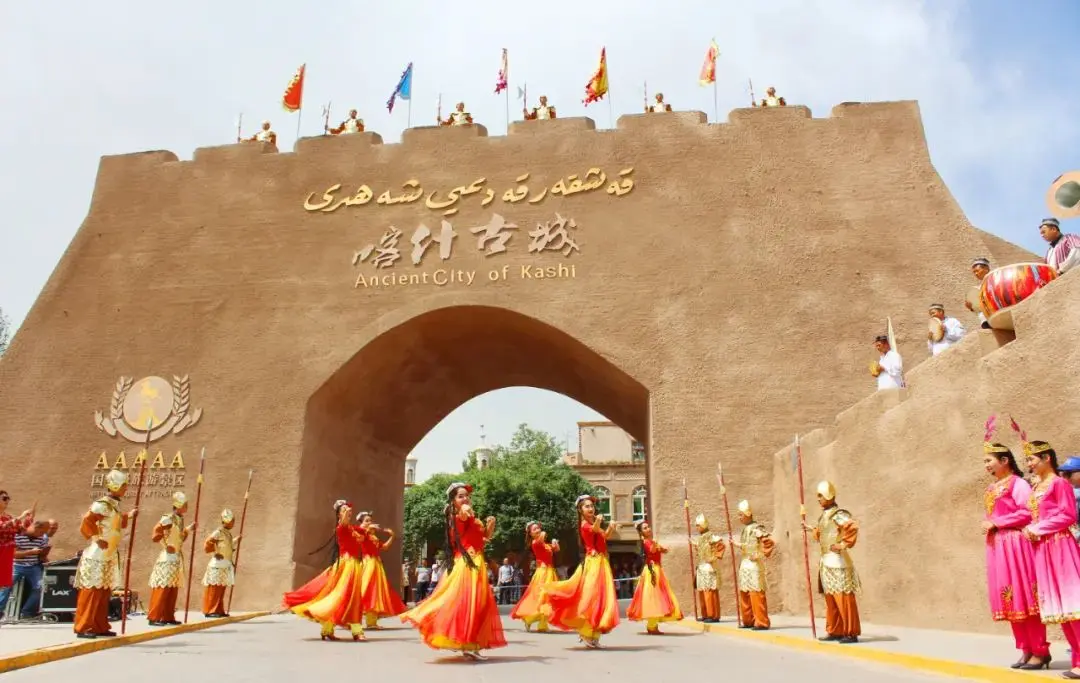
- Kashgar Old Town: One of the world’s largest surviving adobe architectural complexes. In 2026, new cultural experience workshops for Uyghur musical instrument making and pottery firing will open to visitors.
- Id Kah Mosque: China’s largest mosque, built in 1442, accommodating tens of thousands of worshippers. Non-Muslim visitors may explore designated areas to learn about local Islamic heritage.
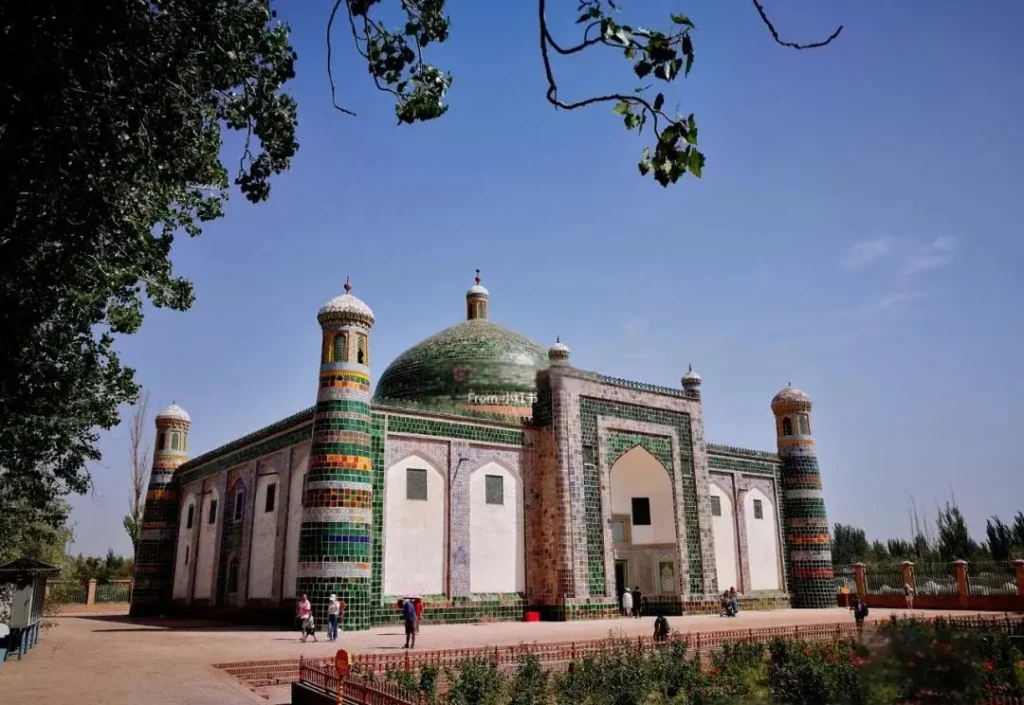
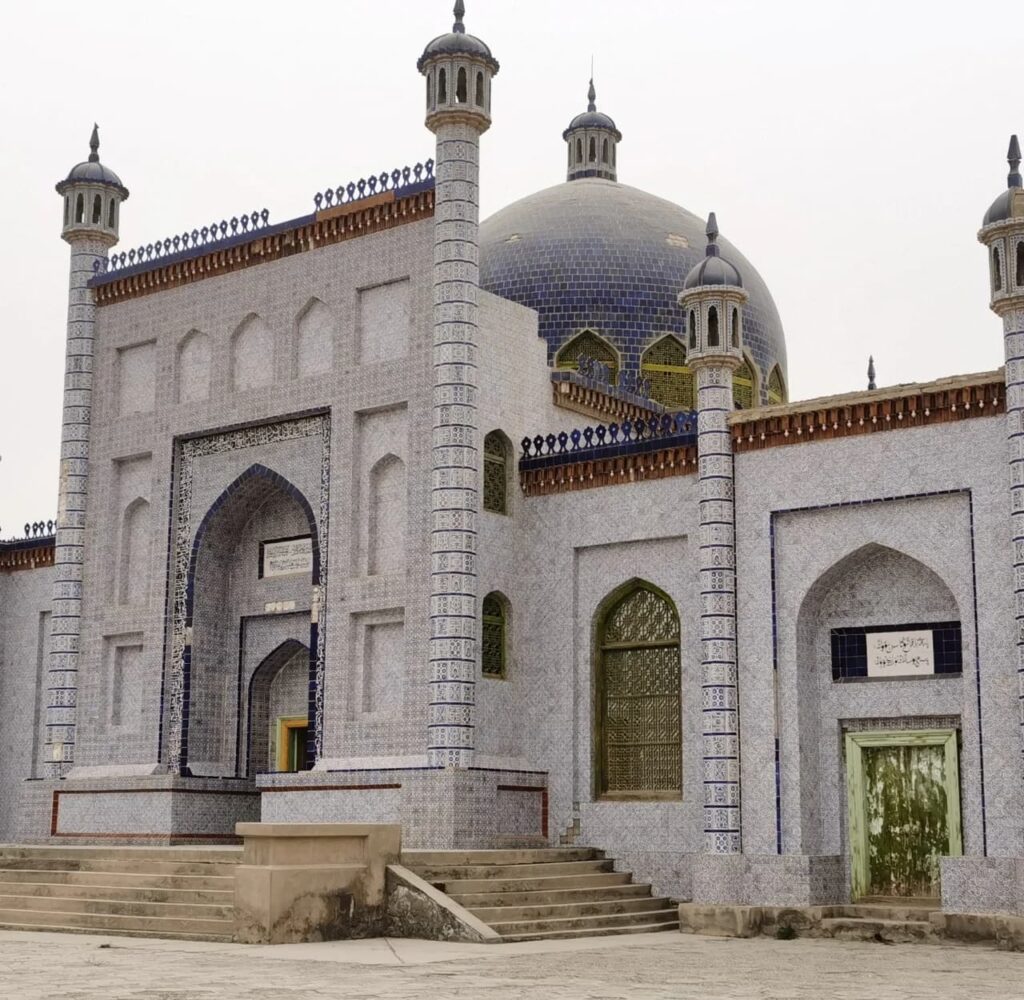
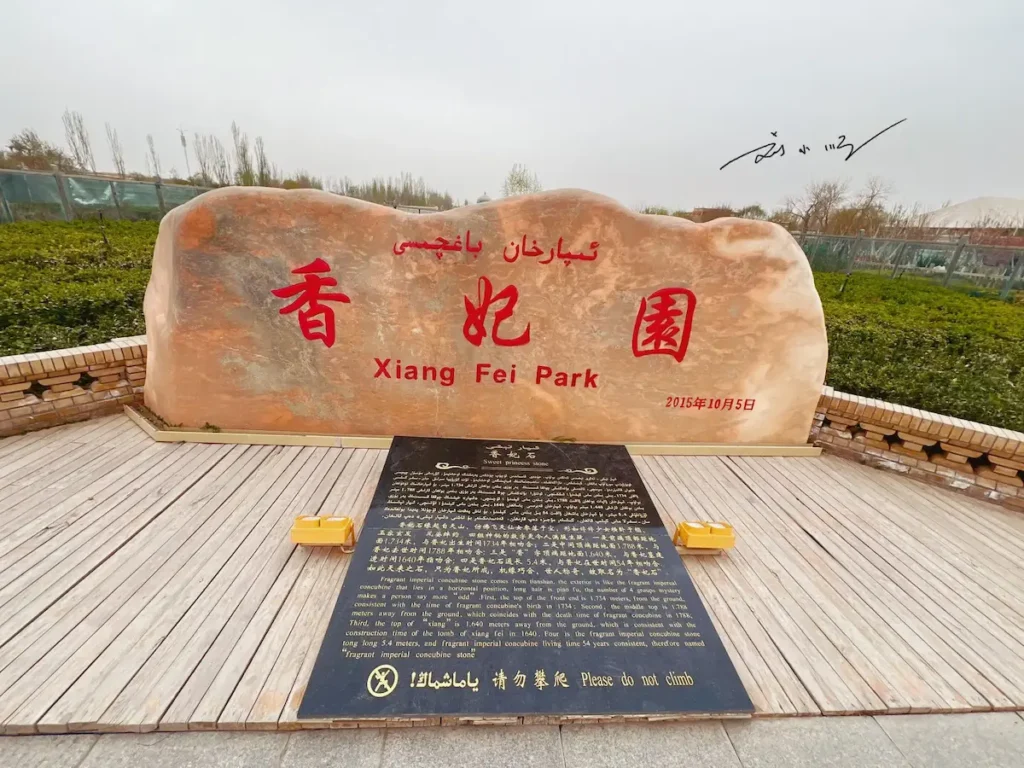
- Fragrant Concubine Tomb (Apak Hoja Mausoleum): An exquisite Islamic ancient complex with glazed tile exteriors and lush ancient courtyards.
- High Platform Residences: Reopened in 2026 after protective renovations, this cliff-top settlement showcases unique Uyghur architectural wisdom and folk heritage.
Suitable For
Culture explorers, photography enthusiasts, travelers who prefer mild climates, and festival lovers.
Travel Tips
Occasional sandstorms may occur; prepare windproof scarves and glasses. Dress in layers to cope with temperature fluctuations. Warm outerwear is still needed for early April, and heavy cold-weather gear is required for Pamir Plateau trips due to lingering snow on mountain roads.
Summer (June–August): Vibrant Culture & Alpine Summer Retreat
Summer is the best choice for travelers willing to embrace heat in exchange for bustling local life and rich cultural events. While daytime temperatures rise, lively night markets and the cool Pamir Plateau offer perfect relief.
Climate & Temperature
Daily temperatures range from 20°C to 35°C, with dry, hot days and intense UV rays. Low humidity eases the heat, and cool nights are ideal for outdoor activities. The Pamir Plateau maintains a comfortable 10°C to 20°C, making it a premier summer escape.
Scenic Highlights
- Lush Oasis Landscapes: Dense shade from grape trellises, ripening figs and pomegranates, and lush greenery add a tranquil charm to the old town’s alleyways.
- Panoramic Snow-Capped Peaks: Clear summer skies offer unobstructed views of Mount Muztagh Ata, Kongur Peak and Kongur Tiube Peak, highlighting the striking contrast between snow-capped summits and green grasslands.
- Bustling Night Markets: Night markets around Id Kah Square and Ordashik Road thrive in summer, featuring local snacks, handmade crafts and live folk performances.
Unique Experiences
- Grand Eid al-Adha Celebrations: The 2026 Eid al-Adha is expected in early July. The entire city is filled with festive joy; locals dress in traditional costumes for grand prayers at the Id Kah Mosque, and families host feasts. Foreign travelers are often welcomed into local Uyghur homes to experience authentic festival traditions.
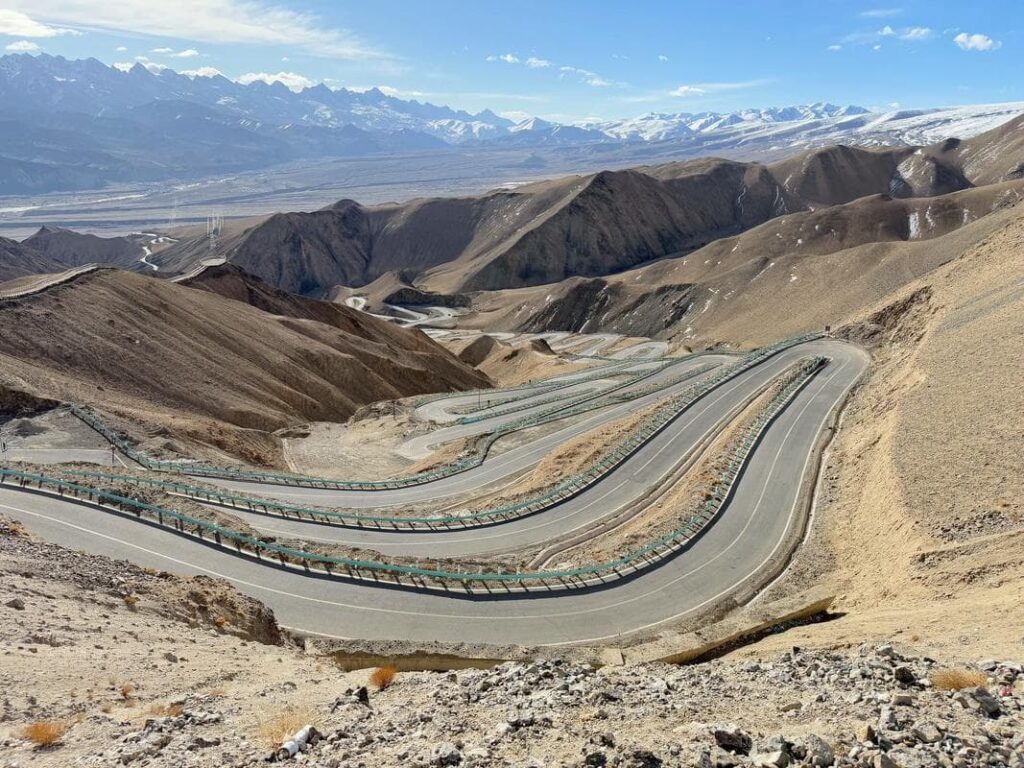
- In-Depth Pamir Plateau Tours: Summer delivers smooth road access and pleasant plateau weather. Travel along the Karakoram Highway to Taxkorgan, visiting White Sand Lake, Karakul Lake and ancient Tajik villages.
- Night Tours of the Old Town: Old town shops stay open late in summer. Visitors can enjoy melodic traditional music in century-old teahouses and wander illuminated alleyways at night.
- Handicraft Workshops: Summer is the peak season for local artisans. Travelers can learn pottery, wood carving, copperware crafting and Atlas silk weaving in old town studios.
Must-Visit Attractions
- Kashgar Grand Bazaar (Central Asia International Trade Market): Extended opening hours and diverse goods, including Uyghur hats, Atlas silk, Pakistani copperware and Afghan carpets. A new international commodity zone will open in 2026.
- Tomb of Yusuf Khass Hajib: A historic mausoleum honoring the 11th-century Uyghur poet and scholar, surrounded by lush green gardens.
- Dawakun Desert: A two-hour drive from downtown Kashgar, offering desert surfing, camel riding, sand sliding, sunset views and bonfire parties.
- Taxkorgan Ancient Stone City: A well-preserved Tang Dynasty ruin with unbeatable views of surrounding snow-capped peaks.
Suitable For
In-depth cultural travelers, heat-tolerant visitors, border explorers, photographers and family travelers.
Travel Tips
Full sun protection is essential, including high-SPF sunscreen, sunglasses, wide-brimmed hats and sun-proof clothing. Avoid outdoor activities at noon and stay hydrated. Pack warm layers for the Pamir Plateau’s large temperature differences. Some attractions and shops may adjust opening hours during Eid al-Adha.
Autumn (September–October): Golden Poplars & Harvest Festivals
Autumn is the top choice for landscape photographers and travelers seeking cool, refreshing weather. Kashgar’s short yet stunning autumn features crisp air, vibrant natural scenery and rich harvest celebrations.
Climate & Temperature
Pleasant daily temperatures of 15°C to 25°C, clear skies, high visibility and perfect lighting for photography. Cooling evenings require light outerwear, with minimal rainfall and consistent sunny days.
Scenic Highlights
- Golden Poplar Forests: Poplar trees reach their peak golden hues from late September to mid-October. Zepu Golden Poplar Forest and Bachu Poplar Scenic Area showcase striking golden foliage against bright blue skies.
- Harvest Splendor: Vineyards, pomegranate orchards and fruit farms across Kashgar ripen in autumn, with abundant fresh fruits sold at affordable prices in local bazaars.
- Pamir Autumn Scenery: Alpine meadows turn golden, lakes stay vividly blue, and snow-capped peaks shine brightly, creating rich layered autumn landscapes.
Unique Experiences
- National Day Cultural Galas: During China’s National Day (October 1–7, 2026), Kashgar will host the Silk Road International Music Festival, Uyghur dance competitions and handicraft expos for international visitors.
- Poplar Forest Photography Tours: Soft golden hour light at sunrise and sunset creates ideal shooting conditions for golden poplar landscapes. Professional photography guidance is available at Zepu Golden Poplar Forest Park.
- Rural Harvest Activities: Late September and early October feature grape picking, pomegranate festivals and rural art exhibitions, allowing travelers to experience traditional Uyghur farming culture.
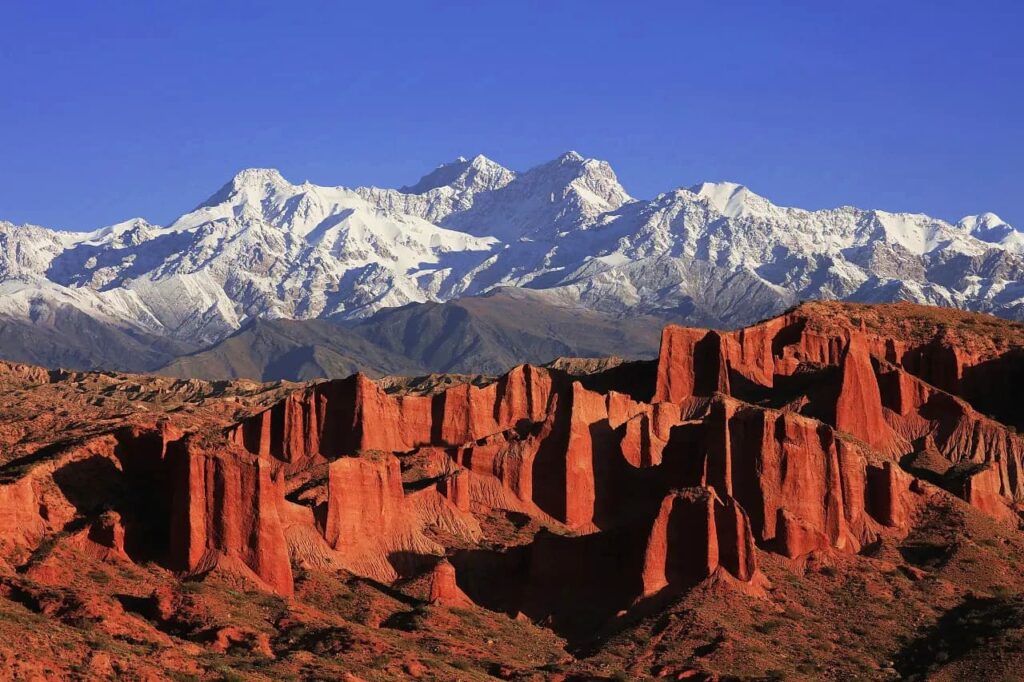
- Karakoram Highway Road Trips: Autumn offers smooth roads and spectacular scenery for self-driving or chartered trips across the Pamir Plateau. A 2 to 3-day route covers Oytag Red Mountain, White Sand Lake and Karakul Lake to Taxkorgan.
Photography Tips
- Best Time: Late September to mid-October for the most vibrant golden poplar foliage.
- Classic Shooting Spots: Reflections in Zepu’s water poplar forests, withered wood landscapes in Bachu, old town alley light and shadow, and snow-capped lake views across the Pamir Plateau.
- Recommended Gear: Wide-angle lenses for panoramic landscapes, telephoto lenses for details and snow-capped peaks, polarizing filters to enhance color saturation, and tripods for low-light shooting.
Suitable For
Photography enthusiasts, self-driving travelers, culture lovers and visitors who enjoy cool weather.
Travel Tips
Book accommodation and transportation in advance for the National Day holiday. The golden poplar viewing period is short, so plan your itinerary accordingly. Prepare windproof and warm clothing for sudden temperature drops, and check mountain road conditions for early snowfall.
Winter (November–March): Snowy Ancient City & Serene Slow Travel
Winter is perfect for travelers pursuing quiet, off-the-beaten-path experiences. Cold yet dry, Kashgar sees far fewer tourists in winter, revealing the most authentic local life amid snow-covered ancient streets.
Climate & Temperature
Daily temperatures range from -5°C to 10°C with dry cold air. Indoor heating ensures comfortable stays, while snowfall is light in urban areas and heavy across the Pamir Plateau. Sunny weather dominates throughout winter.
Scenic Highlights
- Snowy Ancient Town Charm: Snow blankets the earth-yellow adobe buildings of Kashgar Old Town, creating a fairy-tale atmosphere with quiet alleyways and curling kitchen smoke.
- Rime Landscapes: Frost-covered trees in suburban orchards and parks form stunning rime scenery on cold early mornings.
- Pamir Snowfield Vistas: The fully snow-covered Pamir Plateau features majestic frozen peaks, making it a prime destination for winter snow photography.
Unique Experiences
- Tranquil Old Town Leisure: With minimal crowds, visitors can fully immerse themselves in the old town’s peace. Savor traditional brick tea in century-old teahouses, listen to local folk music and enjoy slow-paced Uyghur daily life.
- Uyghur Home Visits: Warm indoor homes offer a cozy retreat from the cold. Travelers can learn to cook local specialties such as hand-pulled rice, noodles and baked buns.
- Winter Humanistic Photography: Soft winter light and strong color contrasts are ideal for documentary photography in bazaars, mosque squares and old town streets.
- Plateau Hot Spring Retreat: Relax in natural hot springs near Taxkorgan for a unique “ice and fire” winter experience on the Pamir Plateau.
Suitable For
Quiet travelers, winter photographers, in-depth culture explorers and unique travel seekers.
Travel Tips
Pack heavy winter gear, including down jackets, thermal underwear, hats, gloves and scarves. Some scenic spots may close or adjust opening hours due to snow. Confirm road access to the Pamir Plateau, as mountain passes may close in winter. Adjust clothing frequently to adapt to large indoor and outdoor temperature gaps.
Monthly Guide for 2026
- January–February: Deep winter with frigid temperatures and few tourists. Ideal for budget travelers and those seeking secluded cultural experiences with the lowest accommodation prices.
- March: Transitional season with rising temperatures and pre-Nowruz festive vibes. Perfect for visitors wanting to experience Uyghur New Year traditions.
- April: Peak spring bloom and mild weather, one of the best all-round travel months for most visitors.
- May: Late spring with lush greenery and accessible Pamir Plateau routes for highland day trips.
- June: Early summer with rising temperatures and upcoming Islamic festivals for cultural immersion.
- July: Midsummer heat with cool Pamir escapes and grand Eid al-Adha celebrations.
- August: Fruit harvest season with vibrant night markets and prosperous local life.
- September: Pleasant early autumn weather, golden poplar transitions and fewer pre-holiday crowds.
- October: Autumn peak with stunning golden landscapes; busy during the National Day holiday and peaceful afterward.
- November: Late autumn and early winter with falling tourist numbers and quiet rural scenery.
- December: Cold winter with snow-covered old town scenery for unique off-season travel.
Essential Tips for International Travelers
Visa & Border Permit
Most foreign visitors need a Chinese Tourist (L) Visa. A digital Border Permit (fully electronic since 2026) is mandatory for border areas including Taxkorgan. It can be processed in person at local public security bureaus in Kashgar or arranged via qualified travel agencies.
Transportation
- International Arrival: Fly to Ürümqi Diwopu International Airport, then take a 2-hour connecting flight to Kashgar Airport (KHG). More direct international routes will launch in 2026.
- Local Transport: Taxis and public buses serve downtown Kashgar; the old town is best explored on foot. Chartered cars are recommended for surrounding scenic spots and Pamir Plateau trips.
- Pamir Access: The 300-kilometer Kashgar–Taxkorgan route takes 6–7 hours. Professional guided tours or chartered vehicles are strongly recommended for highland travel.
Accommodation
- Old Town Boutique Inns: Restored traditional Uyghur courtyard inns with local ethnic style.
- Urban Hotels: Well-equipped 3 to 5-star hotels in downtown Kashgar with international services.
- Plateau Lodging: Basic hotels and homestays in Taxkorgan for simple yet authentic highland stays.
Cultural Etiquette
- Religious Rules: Remove shoes before entering mosques; women must wear long clothing and headscarves in religious sites. Avoid visiting during worship hours.
- Photography Etiquette: Ask for permission before photographing local residents, especially women, elders and religious practitioners. Photography is restricted in some bazaars and religious areas.
- Dietary Taboos: Local Uyghur communities follow Islamic dietary customs. Do not consume pork or mention related topics in public; use the right hand for dining.
Health & Safety
- Highland Adaptation: Spend 1 to 2 days acclimatizing in Kashgar before traveling to the 3,000–4,000-meter Pamir Plateau. Avoid strenuous exercise and drink plenty of water to prevent altitude sickness.
- Daily Protection: Prepare moisturizers, lip balm and high-SPF sunscreen for dry air and strong UV rays.
- Food Safety: Drink bottled water and dine at reputable restaurants when trying local delicacies.
Payment & Communication
Major scenic areas and urban shops support Alipay and WeChat Pay. Foreign bank cards (Visa, Mastercard) are widely accepted in Kashgar with optimized international payment services in 2026. Carry small amounts of RMB cash for small stalls and rural areas. Download offline translation apps, as English proficiency among local residents is limited.
Practical Travel Information
- Ticket Fees: Kashgar Old Town (free); Id Kah Mosque (¥45); Fragrant Concubine Tomb (¥30); Karakul Lake (¥45); Ancient Stone City (¥30). A combined cultural pass will be launched in 2026.
- Opening Hours: Kashgar Old Town (24-hour access); Id Kah Mosque (10:00–19:30, closed during worship); bazaars (10:00–20:00).
- Recommended Stay Duration: 3 to 5 days, including 2 days for urban attractions, 1 to 2 days for the Pamir Plateau and 1 day for rural or desert excursions.
- Local Cuisine: Baked buns, hand-pulled rice, noodle dishes, roasted lamb, clay pot meat, Uyghur ice cream and traditional brick tea.
- Souvenirs: Atlas silk, Uyghur hats, handmade musical instruments, copper crafts, pottery and ethnic embroidery.
- Emergency Contacts: Police 110, First Aid 120, Tourism Complaint 12301, Global Emergency Consular Hotline +86-10-12308.
The bits worth remembering
The best time to visit Kashgar ultimately depends on your travel style. Whether you crave spring blossoms, summer cultural vitality, autumn golden landscapes or winter secluded tranquility, this ancient Silk Road city welcomes you with unique charm.
With increasingly international tourism services, upgraded transportation and streamlined border policies in 2026, Kashgar has become more accessible than ever for global travelers. Respect local culture and nature, plan your itinerary in advance, and you will create unforgettable memories in this crossroads of Central Asia.
From morning prayers at the Id Kah Mosque to quiet conversations in century-old teahouses, from winding old town alleyways to the grand Pamir Highway, every moment in Kashgar will become a precious highlight of your Silk Road journey.
-
When is the best time to visit Best Time to Visit Kashgar, Xinjiang in 2026?
Spring (April-May) and autumn (September-October) offer the best weather for visiting Best Time to Visit Kashgar, Xinjiang in 2026.
-
How many days do I need in Best Time to Visit Kashgar, Xinjiang in 2026?
We recommend spending 2-3 days in Best Time to Visit Kashgar, Xinjiang in 2026 to fully explore the main attractions.
-
Is Best Time to Visit Kashgar, Xinjiang in 2026 safe for foreign tourists?
Yes, Best Time to Visit Kashgar, Xinjiang in 2026 is generally very safe for foreign tourists. The local people are hospitable and crime rates are low.
-
What is Best Time to Visit Kashgar, Xinjiang in 2026 famous for?
Best Time to Visit Kashgar, Xinjiang in 2026 is famous for its unique culture, delicious food, and historical significance on the Silk Road.