Gift-Giving and Guest Etiquette in Xinjiang: What to Bring, What to Avoid
The single best thing that happened to me in Xinjiang was being invited into a stranger’s home for lunch. The single most awkward moment was arriving empty-handed because nobody had told me that, in this part of the world, you do not walk into a home with nothing. Hospitality here is not a courtesy — it is a point of personal honor. If you are welcomed as a guest, your host will feed you, argue gently about letting you pay, and possibly give you more food than you can carry. The least you can do is arrive with the right small gift and the right manners. Here is what I wish someone had handed me before my first invitation.
The Golden Rule: Never Arrive Empty-Handed
Across Uyghur, Kazakh, Kyrgyz, and Hui households, a guest is a blessing, and showing up with a small token acknowledges that. It does not need to be expensive. A bag of good fruit, a box of sweets, a package of tea, or flowers for the hostess is enough. The gesture matters far more than the price. I now keep a “guest bag” in my daypack: a few oranges, a small pack of biscuits, and a handful of dates. It has rescued me more than once when an impromptu invitation turned into a four-course meal.
What Makes a Good Gift (and What Does Not)
The safe choices are edible, shareable, and easy to offer. The awkward choices are anything too personal, too alcohol-heavy, or anything that implies your host’s home is lacking. Below is the shortlist I actually use.
| Occasion | Bring this | Avoid this | Why |
|---|---|---|---|
| First visit to a home | Fruit, sweets, or tea | Alcohol, knives, cash | Alcohol clashes with halal norms; cash implies paying for hospitality |
| Dinner invitation | Dessert or flowers for hostess | Nothing, or a main dish | Host provides the meal; your role is to appreciate it |
| Staying in a yurt | Small sweets for children, tea | Large gifts that burden | Nomadic hosts value light, useful tokens |
| Meeting elders | Quality tea or dates | Anything trivial or joke items | Elders are honored with substance, not novelty |
| Festival (Eid, Nawruz) | Sweets, nuts, new items for kids | Used or opened goods | Festivals call for fresh, celebratory gifts |
Entering the Home: The Small Courtesies
Shoes come off at the door in most homes — watch where your host steps and follow. If you are offered the seat of honor (often farthest from the door, near the tash/decorated wall), accept it graciously; refusing can cause a polite struggle you will lose. When food arrives, wait for the eldest or host to begin. Hand things with your right hand, or both hands, never your left alone. These are not rigid rules so much as signals that you see your hosts as people worth respecting.

The bread rule
Never step on or toss bread, and do not stick a knife point-down into a naan or other flatbread. Bread is treated with quiet reverence across the region; I once saw a whole table go quiet when a careless traveler dropped a piece and stepped toward it. Pick it up, kiss it lightly, and place it somewhere clean. It sounds small; it is not.
Refusing Food Without Offending
You will be pressed to eat more — this is love, not pushiness. The way out is to place your hand over your bowl or say “tox” (I’m full) with a smile and a thank-you, repeated warmly. Do not explain at length or apologize profusely; that reads as discomfort. A simple, smiling “thank you, I am full” in the local rhythm is perfect. If you have a dietary restriction, state it once, clearly, before eating starts — hosts would rather know than watch you pick around the plate.
When You Are the One Being Honored
If your host refuses payment at a restaurant or a shop (common), do not argue loudly or try to slip cash onto the table — that can shame them. A gracious “rahmet” (thank you) and a later reciprocal invitation or a small gift next time is the right currency. The rules of visiting a Uyghur home all point to the same idea: receive generosity gracefully, and return it in kind.

Gifts to Buy in the Bazaar That Locals Actually Appreciate
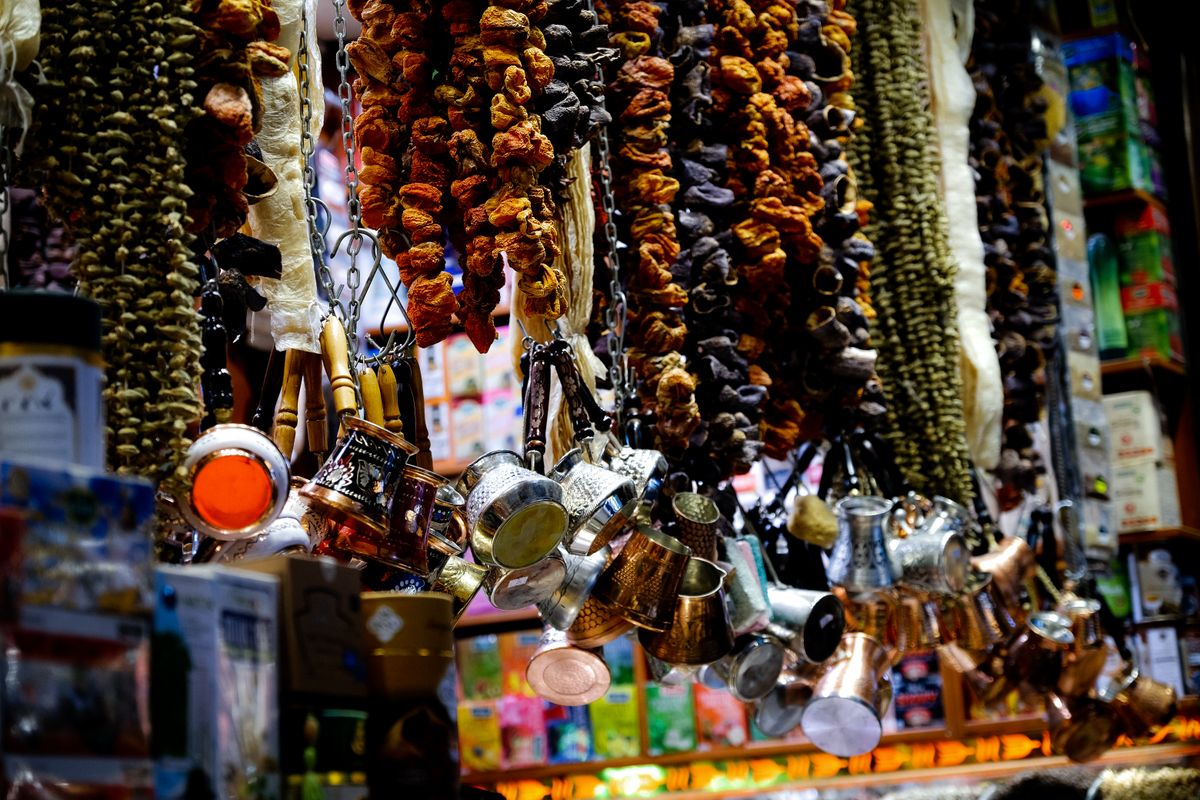
If you want to show up with something that will genuinely land well, the bazaar is your friend. A bag of locally grown walnuts or almonds from Hotan, a box of dried figs, or a packet of the region’s own raisins costs almost nothing and signals that you paid attention. Sweets wrapped in paper, a small tin of brick tea, or a modest bunch of flowers for the hostess are all safe wins. I have had hosts light up more over a five-yuan bag of apricot kernels than over anything I could have bought in a city mall. The point is not the object; it is that you chose something of this place, for them.
What to skip
Skip anything that implies criticism of the home: cleaning gadgets, “helpful” kitchen tools, or joke gifts. Skip anything opened or used. And skip anything that smells of obligation — a giant, elaborate present can make a modest host uncomfortable, because hospitality here runs on reciprocity and they will feel they must out-give you. Small, thoughtful, local: that is the formula. When in doubt, tea and fruit have never failed me.
Reading the Room: Urban vs Rural Hospitality
The etiquette tightens as you leave the cities. In Urumqi or a hotel breakfast, a friendly “hello” and a tip are enough. In a village or a yurt, the expectations of guest behavior are older and warmer, and the small courtesies matter more. You will be fed more, pressed harder to stay, and included more completely. Match the setting: in the city, be polite and efficient; in the countryside, slow down and let the ritual happen. The family dinner etiquette guide is a good companion read before a rural invitation.
The small gift is what earns the second invitation. I arrived once with nothing and was fed anyway, and once with a box of dried apricots from a market I had walked through that morning, and the second visit lasted three hours longer than the first. What you carry matters less than that you carried it, and that you let the host refuse it once before you insist.
Frequently Asked Questions
Is it rude to refuse food in Xinjiang?
Refusing the first offer is expected and normal — hosts will insist. But refusing every offer or pushing the plate away firmly can read as rejection of the host. Use the hand-over-bowl “I’m full” signal instead, and do it with a smile.
Can I bring alcohol as a gift?
Avoid it. The majority of Xinjiang’s communities are Muslim and observe halal norms; alcohol is a thoughtless gift that can embarrass both you and your host. Stick to tea, fruit, sweets, or flowers.
Do I need to bring a gift if I’m only visiting a shop or cafe?
No. The gift rule applies to private homes and personal invitations, not transactions. Buying something and saying thank you is plenty in a commercial setting.
Should I bring something for the children?
Small sweets or a few fruits for kids are always a hit, especially in yurt stays. Keep it light — a big gift can awkwardly outshine what the family can give their own children.
What do I say when I arrive and leave?
A warm greeting goes a long way; learn “yahshimusiz” (hello, Uyghur) or “salam” plus a smile. On leaving, “rahmet” (thank you) and a handshake or slight nod to elders covers it. The greeting etiquette is worth a quick read before you go.
Is it okay to take photos inside the home?
Ask first, always. Many families are proud to share their home and will say yes, but assuming it is rude. A simple gesture toward your camera and a questioning look respects their privacy.