Hot Springs and Hammam Culture in Xinjiang: Soaking the Silk Road Away
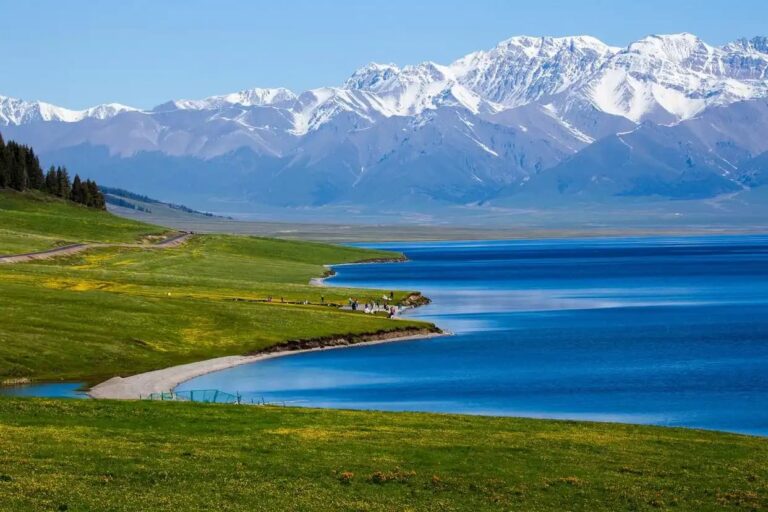
I arrived in the Tianshan foothills stiff from a week of Duku Highway switchbacks, and the man at the guesthouse said one word: wenquan — hot spring. Two hours later I was waist-deep in a sulfur-scented pool under snow peaks, and every knot in my back let go at once. Xinjiang sits on serious geothermal fault lines, and its bathing culture — both the natural springs and the Uyghur hammam — is one of the region’s best-kept wellness secrets. Here is how to soak it right.
The Bathing Tradition on the Silk Road
Water has always meant remedy on the arid Silk Road. Caravans measured a route by its wells; oasis towns built public baths as civic centers. The Uyghur hammam descends from the same Central Asian steam-bath lineage as the Turkish bath, brought west along the trade routes and adapted to local custom. Long before spa tourism existed, a weekly trip to the hammam was simply how you stayed clean, loose, and social in a dry, dusty climate.
Why the Region Is So Geothermal
Xinjiang’s position along the Tian Shan and Altai collision zones feeds hundreds of warm springs, many with mineral content locals swear by for joints and skin. Some are developed into resorts; many more are bare concrete tubs fed by a pipe, beloved precisely because nobody polished them.
Natural Hot Springs Worth the Trip
The list below mixes resort-style pools and rustic dips. Mineral claims are local belief, not medical advice — but the relaxation is real.
| Spring / area | Location | Style | Best season |
|---|---|---|---|
| Wenquan County (Bortala) | Nr. Sayram Lake, north Xinjiang | Rustic + a few resorts | Autumn–Winter |
| Tianshan hot-spring resorts | Urumqi / Fukang fringe | Developed, family-friendly | Year-round |
| Altay geothermal spots | Altay Prefecture, far north | Remote, basic | Winter (paired with skiing) |
| Toksun / Turpan warm springs | Southern foothills | Small, local | Spring–Autumn |
| Karamay resort baths | North Xinjiang oil city | Modern spa | Winter |
The Uyghur Hammam
If a natural spring is not on your route, find a town hammam. The experience is social, not silent. You pay a few yuan, hand your clothes to the attendant, and enter a tiled steam room where the heat loosens you before anyone touches you. It is less about luxury than about the weekly reset that holds a community together.
What Actually Happens in a Hammam
Expect three phases: steam to open the pores, a vigorous scrub with a coarse mitt (kessa) that will remove a season of road dust, and a rinse with warm buckets. Some hammams offer a soap massage; others leave you to it. You lie on the warm marble, doze, and eventually stagger out reborn. Bring your own towel if you are particular — the house one is functional, not fluffy.

Etiquette and What to Bring
Hammams are usually single-sex at a given hour; ask the schedule and respect it. Nudity is normal in the steam room but covered by a wrap in the lounge. Tip the attendant who scrubs you a few yuan. Leave jewelry and electronics in the locker. And do not, under any impulse, rush — the point is the slow hour, not the clean body.
Resort Pool or Rustic Spring: Which to Choose
The first decision is atmosphere. Developed resorts — common near Urumqi and in the Altay — give you several pools at different temperatures, proper changing rooms, and often a restaurant and hotel attached. They suit families and first-timers, and the staff usually manage some service English. The rustic springs are bare concrete or stone pools fed by a pipe, sometimes in a village yard, sometimes beside a snow-fed river. They are cheaper, quieter, and far more memorable, but you bring your own towel and lower your expectations of comfort. I have loved both; the rustic one near a river at dawn, steam lifting into the cold air, is the memory I keep.
What to Wear and What to Pack
For mixed-gender resort pools, bring a swimsuit; for hammams and single-sex springs, a wrap or shorts is the norm, with nudity expected only inside the steam room and covered in the lounge. Always pack flip-flops (the floors are wet and shared), two towels, a dry bag for wet clothes, and a water bottle — you dehydrate faster in the heat than you expect. Leave jewelry and electronics in the locker; steam is unkind to both. If you have a heart condition, high blood pressure, or are pregnant, check with a doctor before long soaks, since sustained heat is not for everyone.
Etiquette That Keeps Everyone Comfortable
In a shared pool, keep your voice low and your splash to yourself. Do not dunk your head in communal mineral water, and rinse before entering. In a hammam, follow the local rhythm rather than imposing your own; watch what regulars do and mirror it. Tipping the attendant who scrubs you a few yuan is appreciated, not required. The culture is relaxed and communal — the worst thing you can do is treat it like a private spa and glare at the noise.
Pairing Hot Springs with a Winter Trip
The best soak of my life was a sub-zero evening after a day on the snow. Winter in Xinjiang is quieter and cheaper than summer, and the contrast of hot mineral water against cold air is the region’s great under-sold pleasure. Resorts near Urumqi and in the Altay stay open through the season, often with ski packages attached. After a long drive on icy mountain roads, an evening in a warm pool is also genuinely restorative for tired muscles — the locals have known this for a thousand years.
Timing Your Soak
Springs are busiest on weekend afternoons and during winter holidays, when local families claim them as outings. For solitude, go on a weekday morning or, at rustic outdoor pools, at first light. The cold-air contrast is sharpest in late autumn and winter, but summer evenings are pleasant too if you pick a shaded mountain pool. I once had a riverside spring entirely to myself at 7 a.m. in October — the best seat in the region, and it cost nothing but the early alarm. If you are timing a trip around the pools, the best time to visit Xinjiang for quiet soaks is the shoulder seasons, when the crowds thin but the water stays warm.
Timing it right
Spring and early summer
Yes. Resort pools are standard tourist facilities with staff on site. Rustic springs in remote areas are best visited with a local or a driver who knows the spot, since signage is minimal and access roads can be rough.
A basic hammam entry runs a few to a few dozen yuan depending on town and scrub option. Developed hot-spring resorts charge more, often 100–300 yuan with pools and meals, and worth it for a full afternoon.
Summer
Flip-flops, a spare towel, and a small amount of cash for entry and tip. Most supply scrub mitts and soap. Lock up your phone — steam and electronics do not mix.
Autumn
Absolutely, on the women’s scheduled hours. Ask at the desk or your hotel which session is for women; the split is strictly observed.
Winter
Locals credit it with easing arthritis and skin conditions. There is no peer-reviewed proof, but warm-water immersion genuinely relaxes muscles and improves sleep — which after a long drive is medicine enough.