Hookah and Shisha Culture in Xinjiang: A Slow Ritual Worth Joining
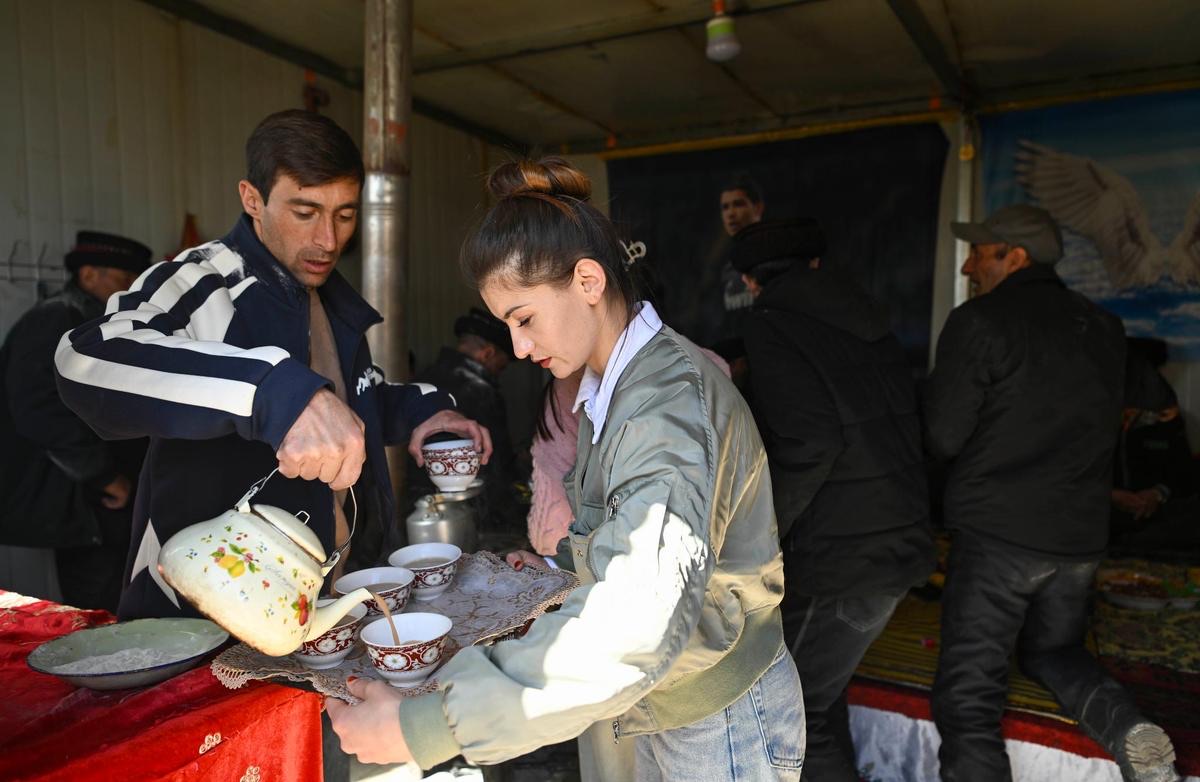
On my second night in Kashgar I followed the sound of a dutar down a side lane and landed in a tea house where a dozen men were passing a long hose between them and laughing at a story I could not follow. That was my introduction to Kashgar Old Town after dark, and to the unhurried ritual of the hookah. Shisha here is less about nicotine than about time: you sit, you sip tea, you share one hose, and the evening sorts itself out.
The Social Heart of the Tea House
In Xinjiang the hookah, called shisha or nargile, belongs to the chaikhana, the tea house. It is a communal object. One bowl serves a table, and the hose moves clockwise. Nobody is in a hurry. On cold nights the coals glow in the base and the room smells of fruit tobacco and burned sugar; on summer nights the same houses spill onto rooftops and courtyards. For a traveler, joining a session is one of the easiest ways to meet locals without a tour, and the pace is a relief after days of sightseeing.
Types of Shisha You Will Meet
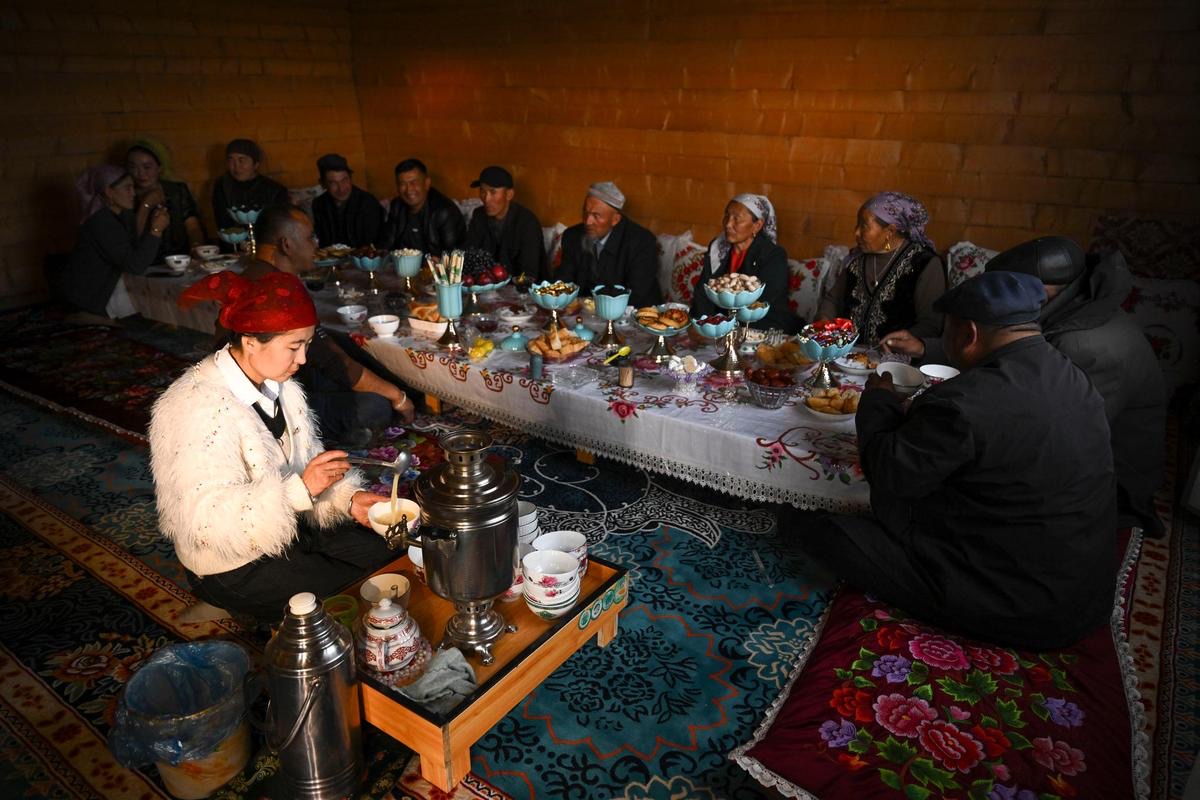
The tobacco itself is usually mu’assel, a mix of leaf, molasses, and flavoring, rather than the dry tobacco smoked elsewhere in Asia. The flavor list at a typical Xinjiang tea house is long.
Fruit and floral blends
Apple, grape, and rose are the everyday choices, and they suit first-timers because the smoke is mild and sweet. In the Ili Valley you will sometimes find a local twist using dried fruit from Xinjiang’s orchards and confections.
Herbal and mint
Mint, lemon, and mint-lemon are the refreshing options, popular after a heavy lamb meal. Some houses offer a double apple that has become the default order across the region, and it is a safe choice if you cannot read the flavor board.
Plain (unflavored)
Older regulars sometimes ask for plain leaf with no sweetener. It is stronger and closer to the original, and a good sign you are in a local spot rather than a tourist lounge.
How a Session Actually Runs
Ordering is simple: you pick a flavor, the attendant packs the clay bowl with tobacco, covers it with perforated foil, and sets glowing coals on top. Within a few minutes the hose comes to you. The first draws are the mildest; as the bowl warms, the flavor deepens. A good bowl lasts a table of four perhaps forty minutes to an hour, and the attendant will top up the coals without being asked. You are not paying for a product so much as for a seat, a hose, and permission to linger.
Hookah Etiquette for Visitors
| Do | Don’t |
|---|---|
| Wait for the hose to reach you, then take one or two draws | Monopolize the hose for a long solo session |
| Hand the hose to the next person mouthpiece-first or set it down for them | Blow smoke directly at someone’s face |
| Order a pot of tea to share alongside the bowl | Tap ash out of the bowl yourself |
| Ask the attendant to relight coals if it dies down | Refill or re-pack the bowl without asking |
The attendant, almost always the same person who runs the coals all night, controls the heat. If the smoke goes harsh, that is a heat problem, not a you problem, and a gesture toward the bowl usually gets a fresh coal placed on top.
A Short History of the Water Pipe in Xinjiang
The nargile arrived in the region with the same Persian and Central Asian influences that shaped so much of local craft, and it found a permanent home in the tea house. Unlike the quick cigarette, the water pipe was always a device for sitting still, which is why it fits the chaikhana so well. Older men in Kashgar will tell you the rhythm has not changed in generations: the same brass base, the same clay bowl, the same slow pass of the hose. For travelers, that continuity is the point. You are not buying a trend, you are joining a habit that has outlasted empires, and the sameness is part of the comfort. The pipe also travels: in summer you will find it on yurt porches in the grasslands and on rooftops in the old town, always with the same unhurried logic of sit, sip, and pass.
Where to Smoke Shisha in Xinjiang
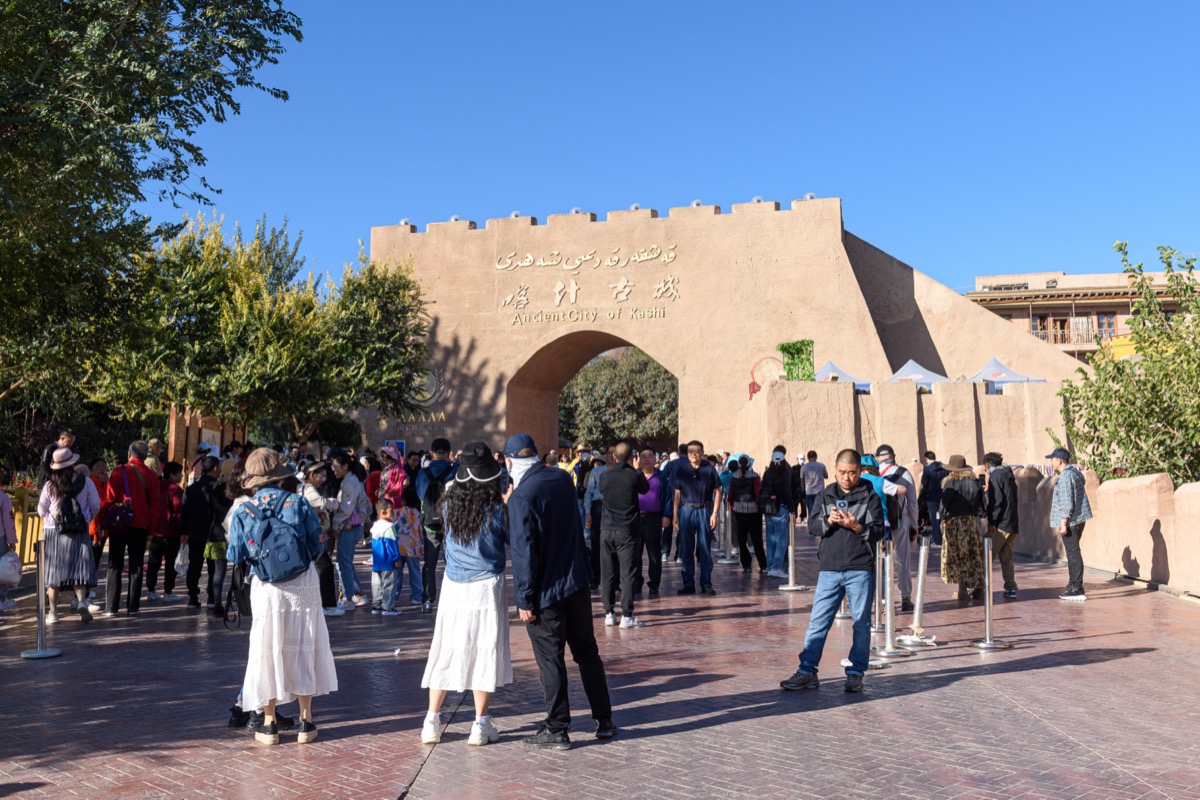
Kashgar has the deepest tea-house culture, especially in and around the old town, where rooftop houses stay open late. Urumqi has modern lounges near the bazaar and university districts, and Yining’s tea streets are quieter and more family-oriented. In Hotan and Khotan oasis towns the sessions run later and the tobacco leans sweeter. Each city feels different: Kashgar is older and more male-dominated on the ground floor, Urumqi is lounge-like, and Yining is the place to go with a mixed group.
A Note on Health
Sharing one hose means you will want your own disposable tip, which most houses provide. The smoke is not harmless, so treat a session as an occasional cultural experience rather than a daily habit, and step outside if the room gets too thick. If you have asthma or a respiratory issue, sit near a window or skip the inhale and just enjoy the scene.
Pairing Shisha with Food and Tea
A bowl of shisha is rarely the only thing on the table. The classic companion is a pot of plain tea, which resets the palate between draws, but many houses will also bring a plate of sunflower seeds, nuts, or the sweet biscuits locals call samsa-adjacent pastries. After a meat-heavy dinner, a mint or lemon bowl with tea is the standard digestion ritual, and you will see whole tables order the bowl specifically for that reason. If you want the full local experience, order the shisha after the meal rather than instead of it; the pipe is the punctuation, not the course.
The one habit I would recommend is to sit down rather than stand at a pipe. In Kashgar teahouses the shisha passes between generations in a way you cannot observe properly from a doorway, and the hour I spent on a low bench listening to an old man explain why his tobacco was damp was the hour I understood the street outside. Standing becomes watching; sitting becomes participating.
Frequently Asked Questions
Is hookah culture in Xinjiang safe for solo travelers?
Yes. Tea houses are public, relaxed spaces. Sit where you can see the room, order tea with your shisha, and you will be left alone or warmly included, often both.
How much does a session cost?
A bowl of shisha typically runs ¥30-60 in 2025, with tea extra. In tourist lounges it can reach ¥80; in a neighborhood chaikhana it is closer to the lower end.
Can women smoke shisha here?
In city lounges and rooftop houses, yes, mixed groups are normal. In very traditional old-town tea houses the ground floor may be male-dominated, while rooftops are more mixed, so read the room.
Do I need to know Uyghur or Mandarin?
No. Pointing at the flavor list and holding up fingers for the count works, and many attendants speak enough to get you sorted. A smile and patience cover the rest.
Is the tobacco flavored or plain?
Almost always flavored mu’assel unless you ask for plain leaf. Double apple is the safe default order if you cannot decide.
How long does one bowl last?
For a table of three or four, roughly forty minutes to an hour of steady passing. The attendant tops the coals as needed, and you can usually ask for a fresh pack if your group wants to stay longer.