Xinjiang Wine Tours: Visiting the Vineyards and Wineries of the Desert North
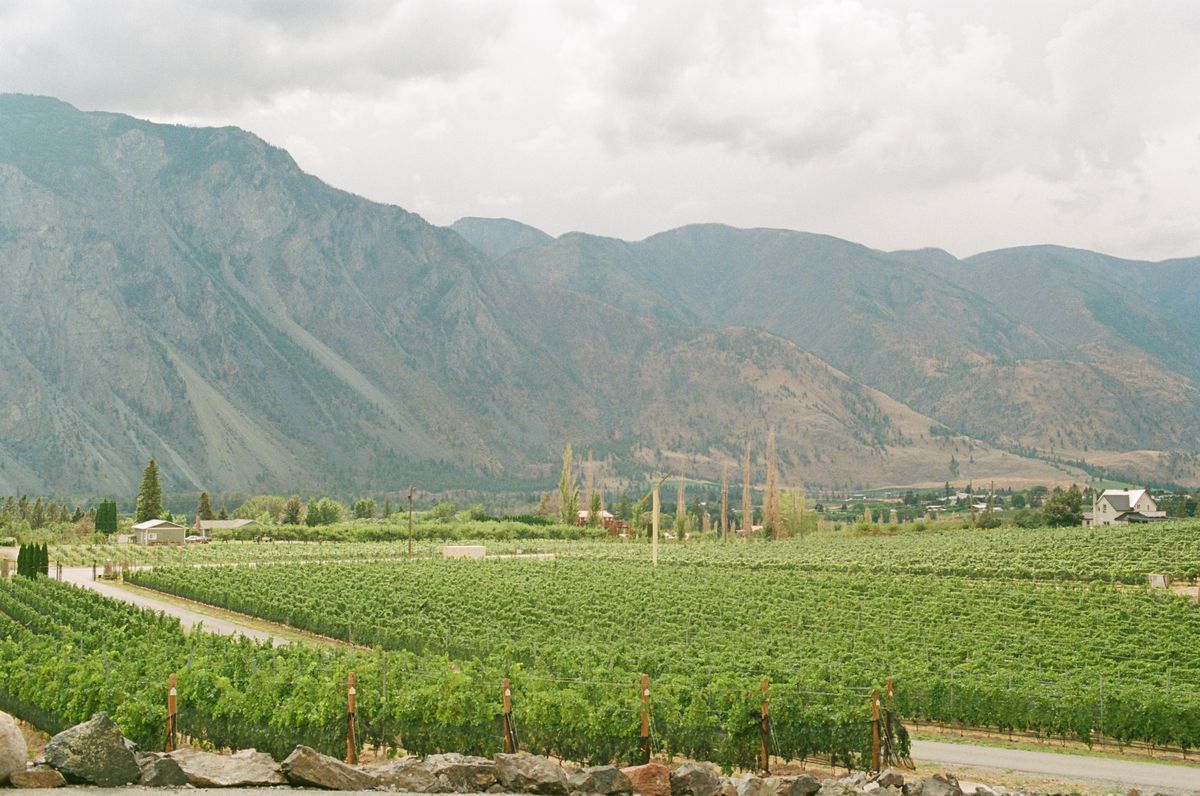
I did not expect to drink serious wine in a desert. The assumption was that Xinjiang’s reputation began and ended with naan and kebabs. Then a winemaker in Turpan poured me a 2018 Cabernet grown from vines that have survived 40-degree temperature swings, and the region’s quiet ambition became obvious. Xinjiang is now China’s largest wine-producing area by acreage, and a slow, deliberate wine trail is emerging. This is how to tour it without the guesswork — and without treating it like Bordeaux.
Why Xinjiang Wine Is Different
The continental climate — scorching days, cold nights, low rainfall, and mineral soils — produces grapes with concentrated sugar and bright acidity. That translates to full-bodied reds and surprisingly crisp whites. The industry blends ancient Turpan vineyard know-how with modern investment pouring in from the Tian Shan foothills. A Turpan wine-tasting will show you the old world; the new wineries show you the future. What you taste is less “Chinese imitation of France” and more a genuine desert-terroir signature you will not find elsewhere.
The Three Wine Regions Worth Visiting
| Region | Signature | Why go | Best months |
|---|---|---|---|
| Turpan | Historic desert vineyards, table grapes, sweet fortified styles | Oldest continuous wine culture; the Grape Valley itself | Aug–Oct |
| Tian Shan foothills (near Urumqi / Changji) | Bordeaux-style reds, cleaner international labeling | Modern cellar doors, tastings in proper wineries | Jun–Sep |
| Yanqi / Korla (Bosten area) | Emerging boutique reds | Off-the-radar, low crowds, lakes nearby | Jul–Sep |
Turpan: The Heritage Stop
This is where to start. The vineyards here are irrigated by the ancient karez underground canal system, and some family plots have grown the same table-grape varieties for generations. Tastings are informal, often in a shaded courtyard with grapes still on the vine, and the focus is on sweet and fortified styles that pair naturally with the local dried fruit. It is less a winery visit than a cultural one with wine in hand.
The Tian Shan Foothills: The Modern Cellars
A cluster of larger, export-minded wineries has appeared within a couple of hours of Urumqi. Several offer guided tours of the production hall, a structured tasting flight in a proper tasting room, and a shop with labels you can actually find at home later. Book ahead; some are appointment-only and close on quiet weekdays outside summer.
Yanqi and the Bosten Fringe
The least-developed of the three, and for that reason the most interesting to travelers who dislike crowds. Small producers are experimenting with reds near the lake, and the surroundings — reed beds, water, and distant mountains — make a pleasant half-day that doubles as a nature break from the road.
What to Taste: Grapes and Styles
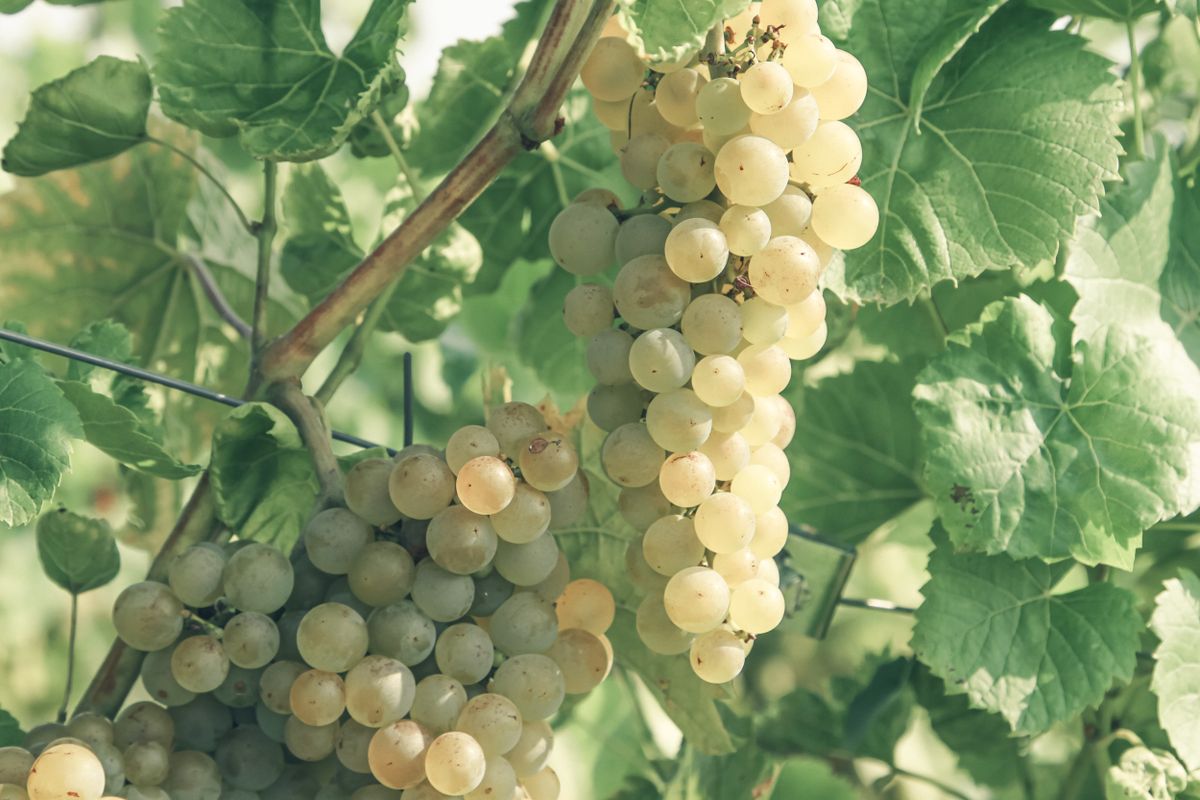
The workhorse red is Cabernet Sauvignon, often blended with Merlot for softer tannins; in the Tian Shan foothills you will also find respectable Syrah and the occasional Petit Verdot. Whites lean to Chardonnay and Riesling, the latter surprisingly good from Turpan’s cool nights. Don’t skip the sweet and fortified styles in Turpan — they are the region’s truest expression and pair naturally with the local dried apricots and walnuts you can buy at the same stall. Ask for a taste of the ungrafted old-vine juice if it is offered; it is rare and memorable.
Pairing Xinjiang Wine With the Local Table
The loud, spice-forward local food is not an obvious wine partner, but it works. A fruity red stands up to grilled lamb skewers far better than a delicate Pinot would; the tannin meets the fat and the smoke. For the region’s many rice and noodle dishes, a crisp white cuts the richness. And at a Turpan courtyard tasting, the move is to alternate a sip of sweet wine with a bite of dried fruit — the sugar and acid echo each other in a way that surprises first-timers who expected the two to clash.
A Reasonable 3-Day Loop
If you have three days and a driver, base in Urumqi, spend day one on the Tian Shan foothill cellars, day two train or drive to Turpan for the heritage vineyards and the Grape Valley, and day three wander a morning market before flying out. That pace leaves room for unplanned stops — a roadside melon stand, a winemaker’s anecdote — which are the parts you remember long after the labels fade.
Planning a Wine Tour That Actually Works
Xinjiang is vast, so treat wine touring as a regional add-on, not a standalone trip. Pair Turpan with the southern Silk Road route, or the Tian Shan cellars with a day out of Urumqi. The best time to visit for both is the warm half of the year, when cellar doors are open and the vines are heavy with fruit. Aim to visit no more than two regions per trip unless you have a week to spare.
Getting Around
Most wineries are not on public transit. Hire a car with a driver for the day, or join a small private tour. Designate a non-drinking driver — rural checkpoints take drink-driving seriously, and distances between stops are longer than they look on the map. A good driver also doubles as a translator at family plots. If you are on a tighter budget, the Tian Shan cellar cluster is an easy day trip from Urumqi by hired car, while Turpan works as a relaxed overnight from Urumqi by fast train, with the vineyards a short hop from the station.
Tasting Etiquette
Spit if you plan to visit more than two cellars; it is normal and expected, and the spittoons are there for a reason. Don’t negotiate hard on bottle prices at the cellar door — margins are thin and the experience is the point. A small purchase at the end is the polite thank-you, and it gives you a souvenir that survives the trip better than a T-shirt.
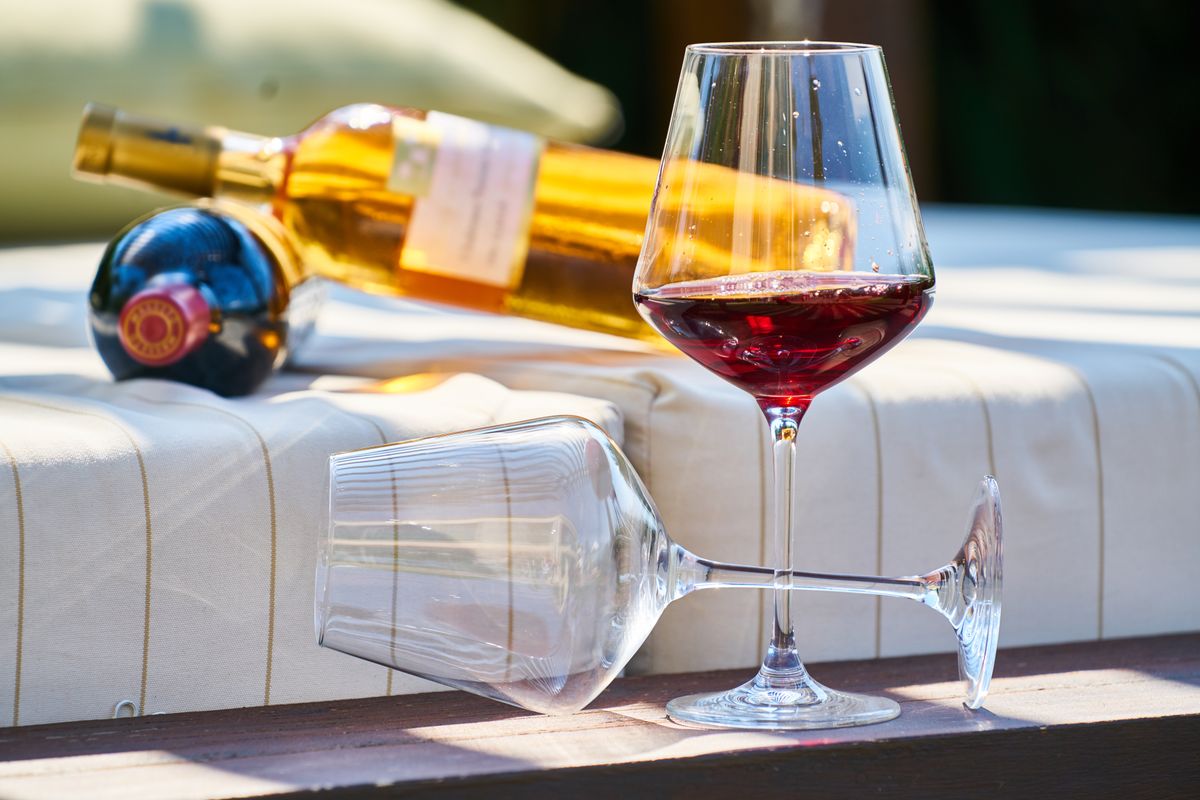
My advice after two harvest seasons is to go in September and arrive idle. The vineyards between Turpan and the Gobi are at their best when nothing is being staged for visitors, and the winery staff however will talk for an hour about soil if nobody rushes them. I have come away from polished tastings remembering nothing and from a shed with a hose and a tractor remembering everything worth tasting.
Frequently Asked Questions
Can foreigners visit Xinjiang wineries easily?
Yes. The major cellar-door operations welcome international visitors and often have English signage or a guide. Remote family plots in Turpan are friendlier with a local contact or a translation app, but a smile and interest in the grapes goes a long way.
Is the wine any good, or just novel?
The top Tian Shan reds genuinely compete with mid-tier international bottles, especially Cabernet Sauvignon and Merlot blends. Turpan’s strength is characterful, fruit-forward styles rather than refinement — worth tasting on its own terms rather than judging against Burgundy.
How much does a wine tour cost?
A cellar-door tasting flight typically runs 50–150 RMB per person; a private driver for a half-day loop is roughly 300–600 RMB total. Bottles at the source start around 80 RMB and climb quickly for reserve labels, with the best cuvées reaching several hundred.
Are there non-alcoholic options on a wine tour?
Plenty. Turpan’s table grapes, fresh juices, and karez-irrigated produce make excellent zero-proof pairings, and many hosts serve grape-based soft drinks alongside the wine. Designated drivers are never left out.
What should I wear and bring?
Sun protection is non-negotiable in summer vineyards, where there is little shade between rows. Closed shoes help in working cellars. Bring a tote for bottles and check your home country’s duty-free allowance before over-buying at the shop.
Can I ship wine home?
Domestic shipping is straightforward; international shipping of alcohol is restrictive and varies by destination. Most travelers carry a few bottles in checked luggage within legal limits, padded well and kept out of the heat of the trunk.