
Turpan Grape Valley Visit Guide: Tickets, Best Time, and What to Do
I expected a farm. What I found in the Turpan Grape Valley was a green canyon cut into the desert, where grapevines on raised pergolas form a ceiling of leaves and the temperature drops ten degrees the moment you step under them. It is the most refreshing stop in the hottest city in China, and it is easy to do wrong if you arrive at the wrong time or expect a theme park.
What the Grape Valley Actually Is
It is not one vineyard but a string of Uyghur courtyard farms along a spring-fed gully, marketed as a single scenic area. You walk under the vines, visit family compounds that dry raisins in mud-walled kan rooms, and can buy fruit straight off the trellis. The shade and the running water make it the natural antidote to a Flaming Mountains morning, and the contrast with the desert five minutes away is the whole point.
Shoulder weeks worth it
| Month | Vines | Crowds | Verdict |
|---|---|---|---|
| May–Jun | Green, no fruit yet | Low | Quiet, cool, pretty |
| Jul–Aug | Green, some early grapes | High (festival) | Hot but lively |
| Sep | Full grape harvest | Medium | Best for eating |
| Oct–Apr | Bare vines | Low | Atmospheric, less to taste |
Tickets and Pitfalls
Entry is via the scenic-area gate; the ticket covers the grounds but not the fruit you buy or a family’s tea. The classic pitfall is going at midday in August, when the open sections bake despite the vines. Go early or late. Another: assuming the “grape festival” means free grapes everywhere; it is mostly a town event, and the valley itself charges as normal, so budget for both the gate and your snacks.
What to do there
Walk the main pergola lane, peek into a raisin-drying house, sip tea in a courtyard, and buy a bag of seedless white raisins at source prices. Kids love the shaded paths; it is one of the few Xinjiang attractions that is genuinely stroller-friendly and safe in the heat.

How to order, and what a portion really costs
Order one less than you think, because the rice arrives in a bowl the size of a small basin and the second helping does not need ordering. Tips are not expected in the small places and are quietly welcome where there is table service, but do not build the visit around it. Card and phone payment both work everywhere in Turpan Grape Valley Visit. The number on the board is for one, and one here is enough for a European adult if you share two. That stretch of the trip is described in our [[the-grape-valley-of-turpan-vineyards-raisins-and-uyghur-courtyards|The Grape Valley of Turpan: Vineyards,…]] too.
What travels home and what does not
Nuts, dried grapes, an uncut flatbread and vacuum-packed lamb all survive a long-haul flight. It is cheaper, the staff wrap it properly, and it spends a week in your bag as the best thing about the trip. Buy the dried fruit in the market rather than at the airport and ask for it packed at the stall. What does not work is anything fried or saucy, which turns in transit, and anything you cannot repeat at home. Where most people get the logistics wrong is covered in our [[xinjiang-turpan-food-guide|Turpan Food Guide: Grapes, Noodles & the…]].
Pairing It With Turpan
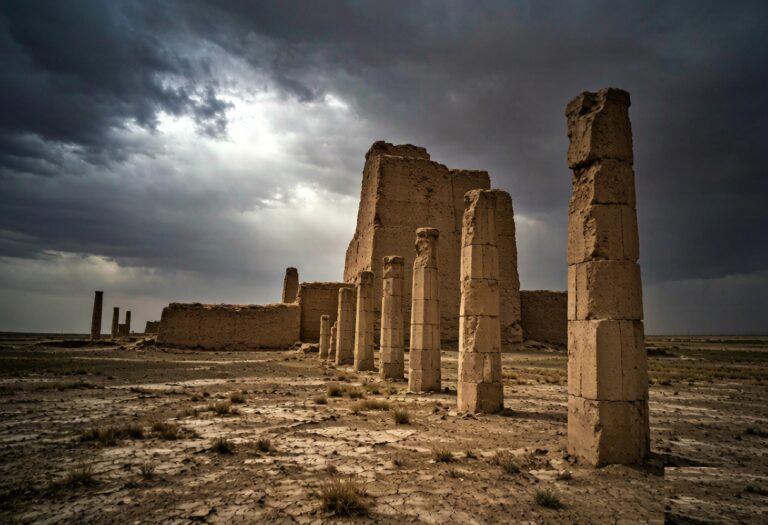
The valley sits a short drive from Turpan town and fits perfectly as a Day-2 morning on the Turpan travel plan (paired with the Karez wells, which share the same oasis-story), after the heavier desert ruins of Day 1. Together they explain how a city survives in a furnace: snowmelt, underground channels, and shade.
Choosing your weeks
Spring and early summer
Early varieties appear in July; the main harvest and best eating are August–September. September gives the widest choice with smaller crowds than August festival week, which is when I would go if eating is the goal.
Summer
If you have never seen a desert oasis vineyard, yes, especially in heat. If you only have one day in Turpan and hate crowds, the Grape Valley can be swapped for more ruins, but you lose the single cool, green hour of the trip.
Autumn
Vendors sell by the bag, and courtyard hosts often offer a few. Picking from unrestricted vines is discouraged; buy instead, it is cheap and supports the families who maintain the pergolas.
Winter
90 minutes to two hours is enough to walk the core lane and sit for tea. Add time if you want a long shaded lunch, which on a 42°C day is a genuine pleasure rather than a delay.
4
Very. Flat, shaded, and full of things to taste; a good counterpoint to the punishing open ruins elsewhere in Turpan, and small children handle it far better than the exposed sites.