Yak Butter Tea and Tsampa: A Taste of Xinjiang’s Highland Food Culture
The first time I was handed a bowl of yak butter tea on the Pamir, I expected a soupy broth and got something closer to warm, salty, faintly tangy liquid butter. It is an acquired taste, and after three days it became the drink I reached for first thing each morning. In Xinjiang, butter tea and its partner tsampa are the fuel of the high country, Tibetan and Mongol communities around Tashkurgan, Bayinbuluke, and the Kunlun fringe. This is a field guide to what they are, how they are made, and where a curious visitor can try them.
What Is Yak Butter Tea (Su You Cha)?
Yak butter tea, called “su you cha” in Chinese and “po cha” in Tibetan, is NOT a tea you sip for fragrance. It is a calorie-dense, salted drink made by churning brewed tea with yak butter and often a little milk or sheep’s milk. At altitude, where vegetables are scarce and the cold is constant, those fats and salts replace what a thin green salad would give you at sea level. I came to appreciate it as a warming meal-in-a-cup rather than a beverage.
How It Is Made
The process is mechanical and social at once, done in a wooden churn or, increasingly, a blender.
| Step | What happens | Why it matters |
|---|---|---|
| 1. Brew | Strong brick-tea leaves simmered for hours | Provides tannin and warmth |
| 2. Churn | Tea whipped with yak butter and salt | Emulsifies fat into the liquid |
| 3. Serve | Kept hot in a flask, refilled all day | Stays drinkable through cold mornings |
The salt is the surprise for Western palates; sugar is the tourist version you may find in Kashgar cafes, but the authentic cup is savory.
Traditionally the churn is a tall wooden cylinder with a drop-piston you pump dozens of times; the rhythm is itself a social moment, often done by the eldest family member while others prepare tsampa. Electric blenders have replaced it in towns, but the hand-churned version tastes rounder, with tiny butter beads the machine smooths away.
Tsampa: The Barley Companion
Tsampa is roasted barley flour, the staple that travels everywhere with pastoralists. You mix a handful with butter tea in a bowl, roll it into a dough ball with your fingers, and eat it. It is filling, shelf-stable, and the original trail mix.
| Aspect | Detail |
|---|---|
| Base grain | Roasted highland barley (qingke) |
| Texture | Soft dough ball when mixed with tea |
| Serve | By hand, in a wooden bowl |
| Role | Breakfast and trail fuel at altitude |
Where to Try It in Xinjiang
You will not find butter tea in a Urumqi mall, but you will in the right corners.
| Place | Community | What to order |
|---|---|---|
| Tashkurgan town | Tibetan / Tajik highland | Authentic po cha with tsampa |
| Bayinbuluke area | Mongol herders | Su you cha by the yurt |
| Kashgar cafes | Han/Tibetan mix | Sweeter tourist-version cup |
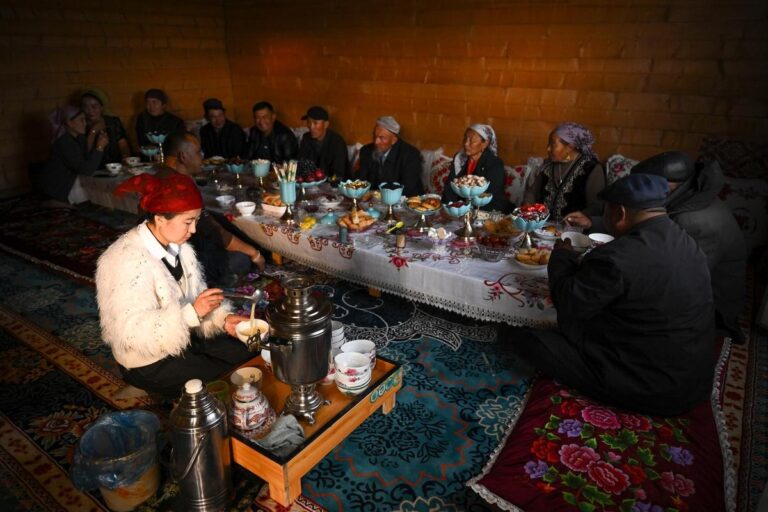
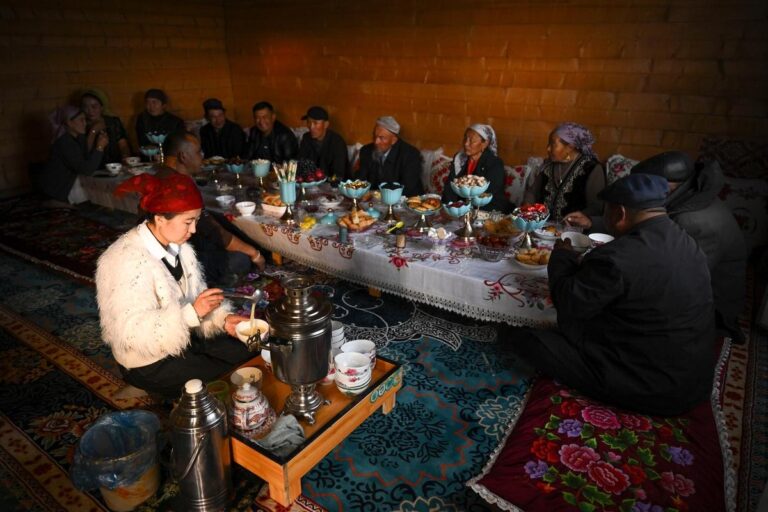
Ask at a homestay rather than a restaurant; the real thing is a hospitality ritual, not a menu item. A family in Tashkurgan refilled my bowl three times and only then let me pay.
The First Sip: What to Expect
It coats your mouth like warm butter, with a saline finish and a low tea bitterness. The second cup is easier than the first; by the third it tastes like comfort. Do not gulp, the fat sits heavy. Sip slowly and pair it with tsampa to balance the richness. I learned to treat the whole ritual as a slow morning ceremony, not a caffeine hit.
Etiquette: How to Accept the Bowl
In a highland home the tea is poured for you, and refusals are taken politely but with surprise. The gracious move is to accept, sip, and let the host refill; when you are done, leave a little in the bowl or rest it tilted, a quiet signal you need no more. Never blow on it or drain it in one go. I was taught to hold the bowl with both hands when receiving it, a small respect that opened more conversations than any phrase book.
Health and the Cold-Climate Logic
Butter tea is a sensible adaptation, not a quirk. At 3,000 m the body burns more energy just staying warm, and the added fat is functional fuel. The salt replaces what you lose sweating in dry mountain air. For a visitor, a cup or two a day is harmless and genuinely warming; just do not mistake it for the light oolong you drink at home.
One caveat for visitors with high cholesterol or gallbladder issues: the fat load is real, so treat butter tea as an experience, not a daily habit, on a two-week trip. Herbal teas and the standard milk tea remain the lighter everyday choice in towns.
Sweet vs Savory: Which to Start With
If the first cup shocks you, try the Kashgar cafe version next: it adds sugar and sometimes milk powder, reading almost like a salty-sweet latte. Locals will tease you for starting there, but it is an honest bridge before the pastoral original. I did both on the same trip and found the sweet cup a fine afternoon break while the savory one belonged to cold mountain mornings.
Pairing With Other Xinjiang Foods
Butter tea rarely shares a table with the famous grilled-meat spread, but it pairs naturally with plain breads and dairy. After a highland morning I often moved straight to the broader Xinjiang food guide for the urban classics, and kept naan on hand as the everyday bread that travels as well as tsampa does up north. The contrast, rich savory tea against a dry, smoky flatbread, is its own small pleasure.
Buying and Bringing Some Home
Packets of roasted barley flour (tsampa) are easy to carry and survive the flight. Vacuum-packed yak butter is sold in some Tibetan shops but leaks riskily, so I skip it in checked bags. A small bag of qingke flour from Kashgar made a great gift and recreated the experience at home with my own butter and strong tea.
Check the roast date on tsampa packets when buying in bazaars; freshly roasted flour smells nutty and keeps for months sealed, while stale stock tastes flat. A vendor in Kashgar’s Sunday market scooped from a sack dated that week, and the difference at home was obvious.
Small questions, honest answers
Is yak butter tea the same as milk tea?
No. Milk tea is sweet and milky; butter tea is salted and fatty, built for altitude and cold, not for flavor alone. They come from different culinary logics.
Where exactly can a tourist try the real thing?
Best in Tashkurgan or at a Bayinbuluke yurt stay. Kashgar cafes serve a sweetened version that is a gentle introduction before the savory original.
Is tsampa just flour?
It is roasted highland barley flour, eaten by hand mixed with butter tea into a dough. Plain dry, it tastes nutty and toasted; mixed, it becomes a meal.
Will the salt and fat upset my stomach?
A cup or two is fine for most people. Drink it slowly and with food; the heaviness is the point, not a flaw.
Can I make it at home?
Yes, brew strong black tea, blend with unsalted butter and a pinch of salt, and whisk hard. It will not match a Pamir churn but captures the idea.
Is it safe to buy butter tea ingredients to take home?
Barley flour travels well; liquid butter does not. Buy sealed flour packets and recreate the drink with your own butter after the trip.