Paying in Xinjiang as a Foreign Traveler: Alipay, WeChat Pay, Cards, and the Cash Backup
My first night in Kashgar, I tried to pay for a bowl of laghman with a Visa card. The waiter laughed, pointed at his phone, and the man next to me paid for me. That is Xinjiang in 2025: a near-cashless society where the right app matters more than the right bank. Here is what actually works on the ground, after three trips and plenty of fumbled payments.
The Short Answer: Set Up Alipay First
Alipay’s international version lets you bind a Visa, Mastercard, or JCB. WeChat Pay now also accepts foreign cards, but its coverage in Xinjiang’s smaller towns is patchier. Between the two, Alipay got me through 90% of transactions, from Urumqi food stalls to highway tolls.
What Works, What Doesn’t
Not every foreign card binds cleanly, and not every merchant takes every app. This table is my field test across Urumqi, Kashgar, Turpan, and the Karakoram border towns.
| Method | Bind a foreign card? | Works in small towns? | Notes |
|---|---|---|---|
| Alipay (intl) | Yes (Visa/MC/JCB) | Mostly yes | Best all-rounder; scan merchant QR or show yours |
| WeChat Pay (intl) | Yes (limited) | Spotty | Good in big cities, weaker at rural bazaars |
| Visa / Mastercard | n/a | Rarely | Upscale hotels, some malls, airport only |
| Cash (RMB) | n/a | Yes | Essential backup; carry ¥200–¥500 small bills |
| UnionPay (mainland) | n/a for tourists | Yes | Only if you hold a Chinese bank card |
How to Bind a Card Without the Headache
Open Alipay, tap “Me” → “Bank Cards” → add card. Use your passport name exactly as printed. If the bind fails, it is usually a mismatched name field or a bank that blocks overseas tokens — try a second card. I keep two cards linked so a decline never strands me.
Where Cash Still Rules
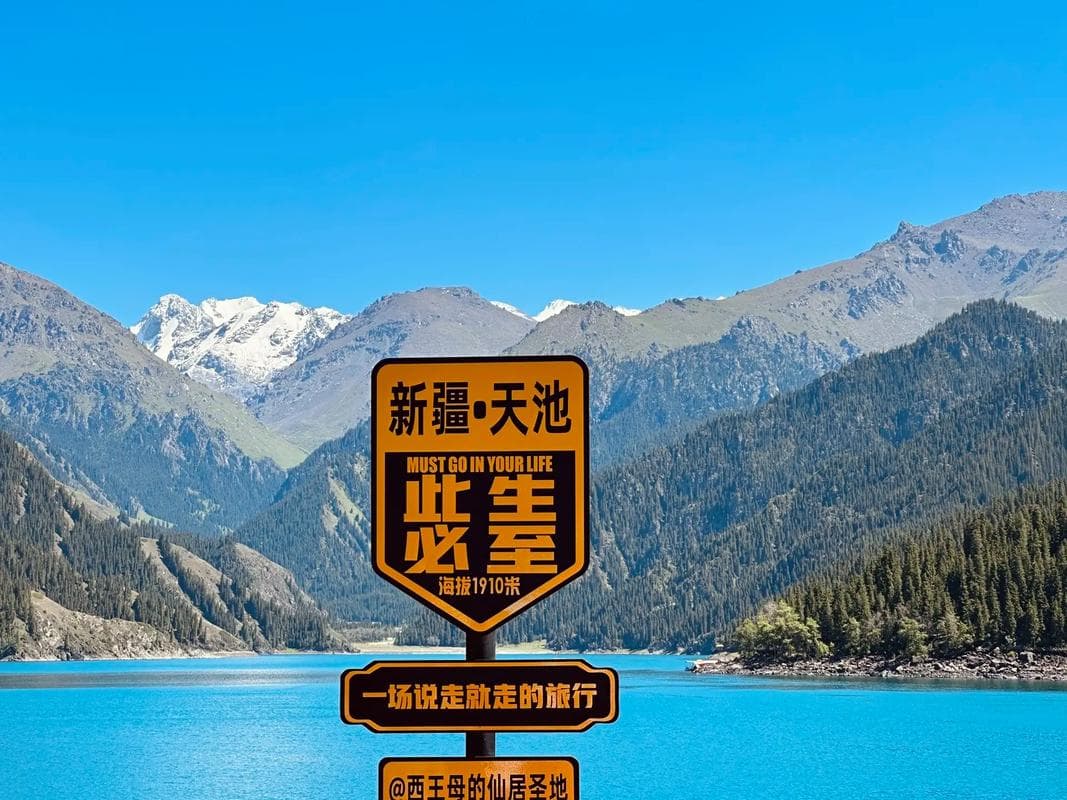
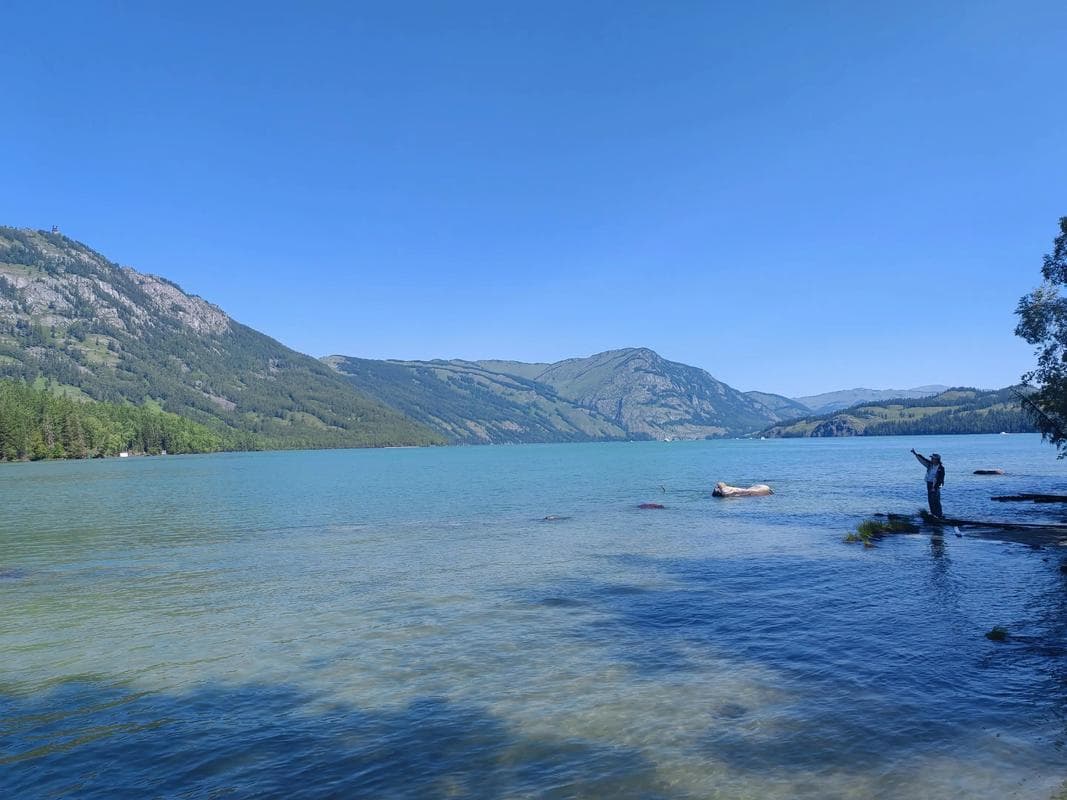
Despite the dash to digital, cash is far from dead in Xinjiang’s countryside. At the Sunday livestock market outside Kashgar, at roadside naan ovens, and on the shuttle vans into the Tianshan trailheads, vendors often prefer or only accept cash. ATM access also thins out fast once you leave the prefecture capitals, so pull out cash in Urumqi or Kashgar before heading into the mountains.
Tips That Save You Embarrassment
First, screenshot your Alipay QR in case data drops — signal vanishes on the Karakoram Highway. Second, tell vendors “I scan you” (wo sao ni) versus “you scan me” (ni sao wo); the flow differs and getting it backwards stalls the line. Third, tip nothing — service charges are not a thing here, and over-paying confuses everyone.
ATMs and Currency
Bank of China and ICBC branches in city centres dispense RMB against foreign cards, though fees bite. Avoid exchanging at the airport desk exclusively; a city branch gives a better rate. Always request small denominations — ¥100 notes are hard to break at a tea stall.
Common Payment Fails and How to Avoid Them
The mistakes I made so you don’t: (1) assuming a Visa tap works at a small restaurant — it won’t; (2) arriving at a rural bazaar with a dead phone and no cash — signal and battery both died on me once near the Pamir; (3) binding only one card, then watching it decline on a hotel hold. The fix is boring but reliable: two linked cards, a cached QR screenshot, and a cash wad you refill in every city.
Data, Roaming, and Staying Connected to Pay
You cannot scan a QR without data. Buy a local SIM (see the practical prep guides) or a travel eSIM before you land, and keep a China Unicom or China Mobile line active in the mountains — they cover the Silk Road corridor better than foreign roaming. When signal drops, the cached screenshot of your personal pay code still works at most merchants who scan you.
A Sample Daily Spend in Kashgar
To make the math real: breakfast naan and tea ¥6, a shared taxi across town ¥4, lunch laghman ¥25, the Old City entrance is free but a guide ¥80 if you want one, dinner with lamb skewers and bread ¥45, bottled water ¥3. Call it ¥160 a day on the ground, almost all of it via Alipay or cash. Cards would have failed at four of those seven touchpoints.
Paying at Hotels and for the Border Permit
International hotels in Urumqi and Kashgar take foreign cards at the front desk, but the rate and the hold can be ugly, and some still prefer prepaid bookings. For the Karakoram border permit and most government counters, cash is the only accepted method — bring enough RMB for the fee plus a buffer. I learned this the hard way in Tashkurgan, where the permit office took cash only and the nearest ATM was two hours away.
Haggling at the Bazaar Without Offending
Cash haggling has its own rhythm. At the Sunday market outside Kashgar, prices are soft; offer 60–70% of the first number and settle around 80%. Do it with a smile and tea in hand, never as a confrontation. When you pay by phone, haggling still works but the final number is fixed on screen, so agree the price before the scan — once the QR is generated, the deal is locked.
When Everything Fails: The Cash-Only Plan
Build a fallback so a dead phone never strands you. I keep a “cash day” envelope of ¥500 in small bills, separate from my wallet, for the moments the apps won’t open. It covers a guesthouse, a taxi, and three meals in almost any town. Pair it with a downloaded offline map, because navigation also dies with the signal. This plan has bailed me out twice, once on the Pamir and once during a Kashgar power cut.
Pre-Flight Setup Checklist
Do this at home, not at the airport. Download Alipay and complete the international verification before you lose access to your home number for SMS codes. Link two cards, not one. Screenshot your personal pay code and save it to your camera roll. Tell your bank you are travelling so holds don’t trip fraud locks. And exchange a small amount of RMB at home as seed cash. Thirty minutes of setup prevents a very long first night in Kashgar.
The money side of it
| Item | What it costs | Note |
|---|---|---|
| cost | ¥200 | About ¥200–¥500 in small bills covers markets, vans, and toilets off the main grid. Top up in city centres before remote stretches. |
The numbers above are what I paid on my own trips; add roughly a fifth for a private car and driver if you are travelling with someone else. Anything marked roughly is a bazaar price in high season, and it moves with demand.