Traditional Games of Xinjiang: Nard, Tea Houses, and the Board That Beats Small Talk
My favorite memory from a slow afternoon in a Kashgar tea house is not the tea. It is the sound of dice hitting a wooden board while two old men argue, laugh, and reset the pieces for the fifth time. Travelers rush past Xinjiang‘s tea houses chasing monuments, but the real cultural texture is often at the low tables where locals play. The games they play — especially nard, the regional cousin of backgammon — are a doorway into how people here actually spend their time.
Nard: The Xinjiang Backgammon
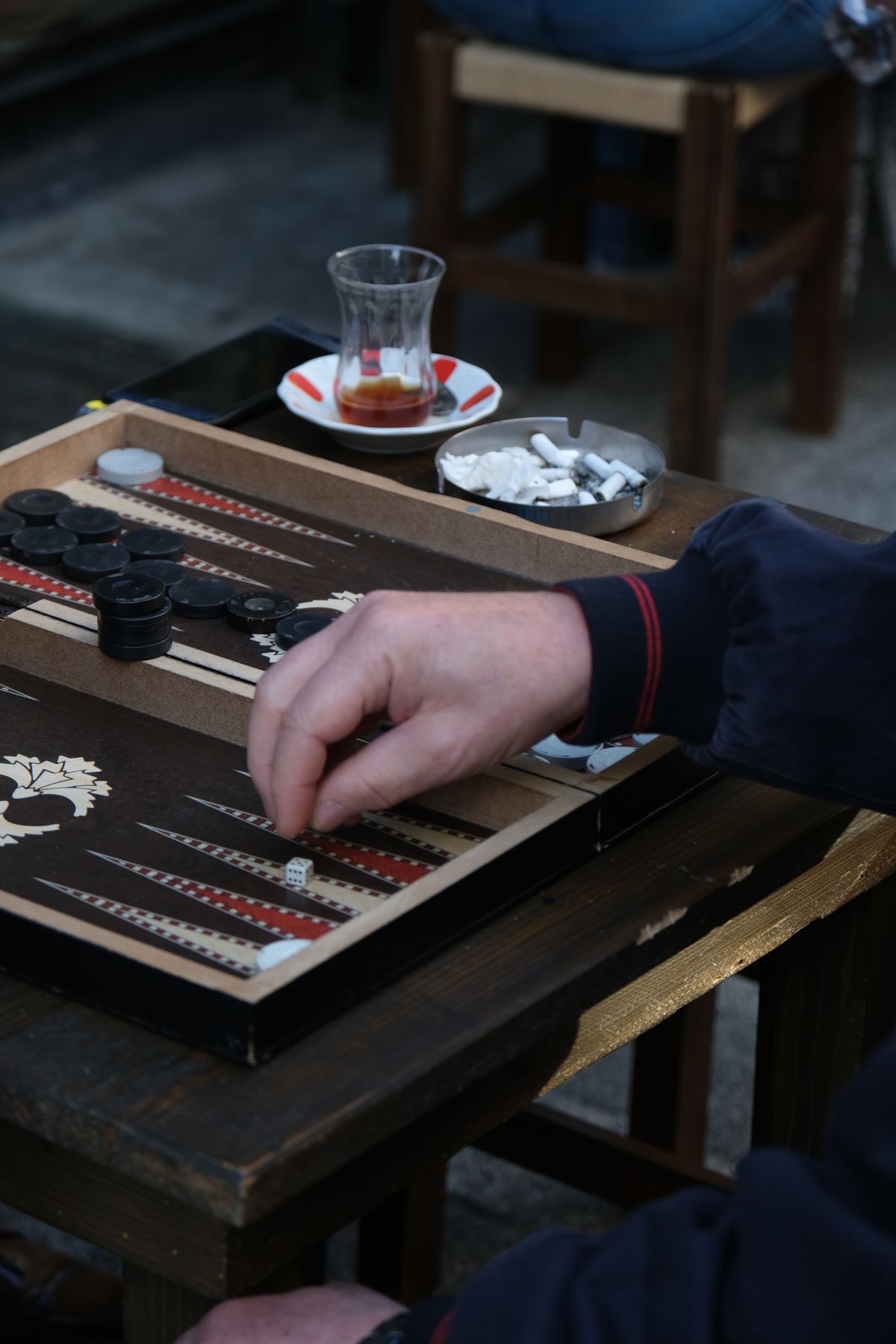
Nard (نارد, sometimes spelled narde or nardi) is a two-player race game played on a board of 24 points with 15 pieces per side and a pair of dice. If you have played backgammon, the board will look familiar; the rules differ in ways that make it slower, more luck-driven, and, to my eye, more social. In the most common local variant, both players move in the same direction and there is no hitting-and-returning opponents to the bar, which removes a lot of the aggression of Western backgammon and turns the game into a long, companionable shuffle toward home.
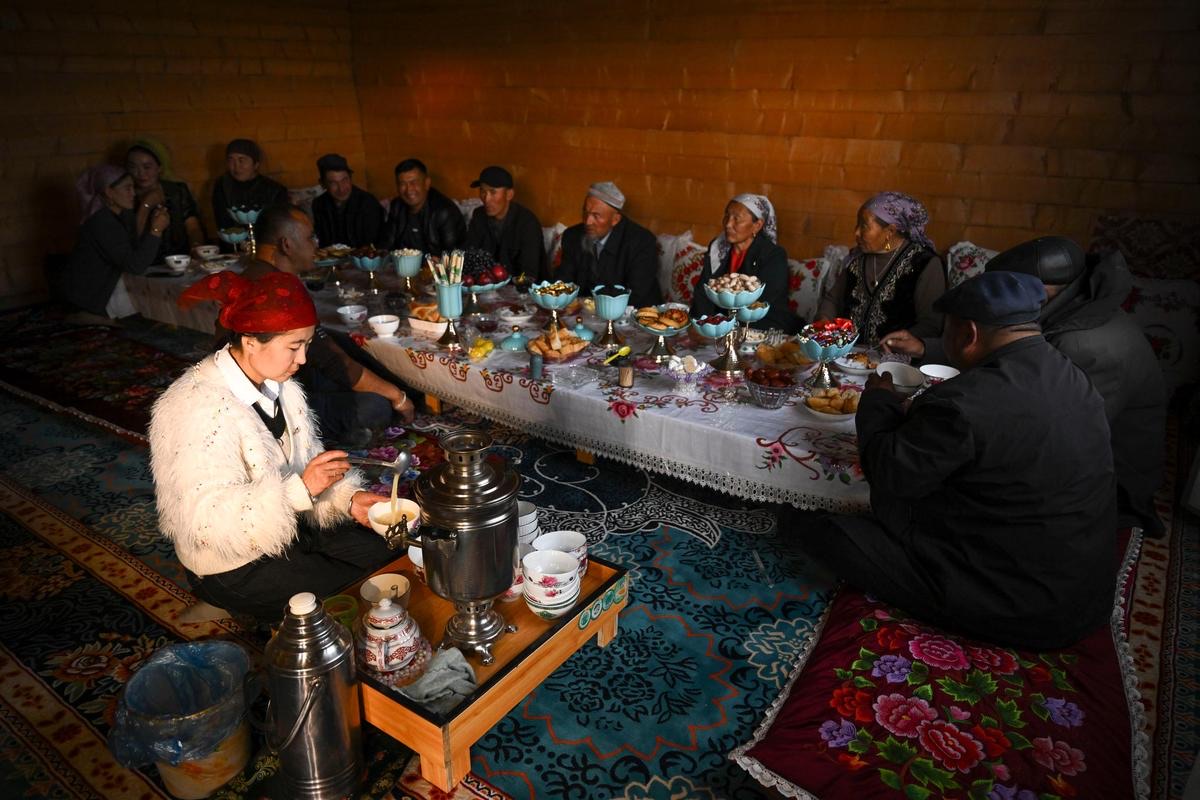
You will see nard everywhere men gather: tea houses, bazaar corners, park benches, and the waiting rooms of long-distance bus stations. It is rarely played for more than pocket change, and often not for money at all — the point is the company. A stranger who sits and watches for five minutes is usually offered a seat and a cup of tea before a game.
Oqir-at and the Other Games on the Table
Nard is the most visible, but it is not the only one. Oqir-at (literally “horse chess”) is a regional variant where the movement and capture rules echo a simplified chess-like game played with the same dice energy. You will also encounter:
On the board itself, a game of nard moves like this: each player rolls two dice and advances their fifteen pieces along the same twenty-four-point track toward a home quadrant, then bears them off. Because both sides travel the same direction and pieces are not sent back to the start when landed on, a game is less about ambush and more about efficient routing and a little luck — which is exactly why it suits long, talkative afternoons. The dice are usually small wooden cubes shaken in a shallow cup, and the rhythm of cup-to-board is the soundtrack of every tea house I have sat in.
- Chatoq / simple draughts — a checkers-style game played on a smaller grid, common with kids.
- Card games — regional trick-taking decks circulate in tea houses, often with rules that vary from town to town.
- Go-style territory games — less common, but you will occasionally see a quiet game among older players in bigger cities like Urumqi or Yining.
The through-line is that these are social rituals first and competitions second. A game that drags for an hour is a success, not a failure.
A Game With a Long Silk Road Pedigree
Nard is not a local invention so much as a local survivor. Variants of the game traveled the Silk Road for over a thousand years, carried by merchants and soldiers from Persia through Central Asia and into the Tarim Basin oases. What makes the Xinjiang version distinctive is how ordinary it remains — unlike in some countries where backgammon became a café spectacle, here it never left the neighborhood table. You will see the same board in a 70-year-old teahouse in Kashgar and in a student apartment in Urumqi, played by the same relaxed rules. That continuity is part of why watching a game feels like watching the region’s social memory in motion.
Who Plays, and Who’s Welcome
Traditionally the boards belong to older men, but that is shifting. In bigger cities, mixed groups and younger players now fill the modern tea-and-board cafés that have opened in the last few years, where you can order a proper coffee instead of just tea and still get a nard board for the table. Women play too, especially in family settings and in those newer cafés. As a visitor, your gender or age matters far less than your willingness to sit, smile, and lose gracefully.
Where to See and Play
If you want to watch or join, here is where the games concentrate:
| Venue | Best Cities | What to Expect |
|---|---|---|
| Traditional tea house (chaykhana) | Kashgar, Hotan, Yining | The classic setting; order tea, sit, and watch until invited in |
| Bazaar periphery | Any weekly market town | Informal boards on low stools; very welcoming to onlookers |
| City parks | Urumqi, Korla | Retirees gather mid-morning; slow, friendly games |
| Bus and train waiting areas | Regional hubs | Quick games to pass time; less chatty, more focused |
Reading the Board as a Visitor
You do not need to master the rules to enjoy it. The rhythm is what matters: dice, move, pour tea, repeat. Most local players are delighted to show a foreigner the basics, and the universal language of “your move” plus a pointed finger gets you surprisingly far. If you want to learn the real rules, ask to play a short game rather than just watch — you will absorb more in ten minutes of losing than in an hour of observation.
The Social Role of the Game
In a region where extended family and neighborhood ties run deep, the board game is a low-cost way to keep those ties alive. It is where news travels, where marriages are half-negotiated, and where the day’s worries get set down for an hour. That communal, music-and-conversation fabric is the same one you see in a meshrep gathering or hear in a live Muqam performance — the game is just the quiet, everyday version of that culture.
Etiquette If You Join a Game
A few things keep you from being the rude foreigner at the table:
- Accept the tea. Refusing the offered cup reads as refusal of the company. Drink it.
- Don’t bet big. If money enters the game, keep it to a trivial amount. locals play for fun, not to clean out a tourist.
- Laugh at your losses. The table rewards good humor over skill. A gracious loser gets invited back; a sore winner does not.
- Offer the replay. Setting the board up again is the local way of saying “good game, stay a while.”
Nard is the fastest route into a teahouse, faster than any phrase book. I sat down badly, lost the first two rounds badly, and by the third was being taught by a retired driver who had played the same board since the 1970s. Rules are learnable in ten minutes; the pace of the game is the part you have to feel, and it is always slower than you want.
Frequently Asked Questions
Is nard the same as backgammon?
Close, but not identical. The board and pieces are similar, but the most common local variant removes the hitting-and-return rule, making it a gentler, more social race game than Western backgammon.
Will anyone let a foreigner play?
Almost always yes. Tea-house players are generally welcoming to a curious visitor, and losing gracefully is part of the charm. Bring patience and a sense of humor rather than a competitive edge.
Do I need to speak the language?
No. The game is largely non-verbal, and a few gestures plus the shared board carry the interaction. Learning the word for “tea” (chay) and “thank you” (rahmet) goes a long way.
Are these games gambling?
Usually not in any serious sense. Small stakes are common but trivial, and many games are played for nothing but the company. Treat it as a social ritual, not a casino.
Can I buy a board to take home?
Yes. Folding wooden nard boards turn up in bazaars and handicraft shops, often hand-carved. They pack flat and make a far more personal souvenir than a mass-produced trinket.