Xinjiang Festivals and Events Calendar 2026: When to Catch the Region’s Best Celebrations
The first time I landed in Xinjiang during a festival, I thought the whole region had been painted overnight — streets strung with lights, tables sagging under polo and fruit, and strangers pulling me toward a seat before I had even set down my bag. Timing a trip around a celebration is the single biggest upgrade to a Xinjiang itinerary, and it costs you nothing but a little planning. Here is how the 2026 calendar actually shakes out.
Why Time Your Trip Around a Festival
Festivals in Xinjiang are not staged for tourists. They are family homecomings, religious observances, and harvest thanksgivings that happen to welcome visitors who show respect. Show up at the right moment and you get music in the squares, open houses in the old towns, and food offered without a price tag. Miss them and those same towns can feel quiet to the point of closed.
The Big Three: Nowruz, Eid al-Fitr, Eid al-Adha
These three anchor the year. Dates shift because they follow the lunar Islamic calendar (Eid) or the solar Persian calendar (Nowruz), so confirm the exact day close to travel.
Nowruz — Persian New Year
Celebrated mainly by Xinjiang’s Turkic communities around March 21, Nowruz marks spring’s return. Expect torchlit gatherings, horse games, and tables of sumalak (a slow-cooked wheat sprout pudding). It is especially vivid in Ili and among Kazakh and Uyghur communities.
Eid al-Fitr (Roza Heyt)
The feast ending Ramadan, Roza Heyt brings morning prayers, new clothes, and days of visiting. Markets run short hours early then burst with sweets and gift-buying. In 2026 it falls in the spring; treat the first day as a family day and visit public celebrations from the second day on.
Eid al-Adha (Qurban Heyt)
The “Great Eid” honors sacrifice and generosity. It is the most outwardly festive, with communal meals and, in rural areas, the sharing of meat across neighborhoods. Travel during Qurban Heyt and you will be offered food constantly — accept with your right hand and a thank-you.
| Festival | Approx. 2026 timing | Strongest in | What you’ll see |
|---|---|---|---|
| Nowruz | around Mar 21 | Ili, Kazakh areas | Spring fires, horse games, sumalak |
| Eid al-Fitr (Roza Heyt) | spring (lunar) | Urumqi, Kashgar, Hotan | Prayers, new clothes, sweet markets |
| Eid al-Adha (Qurban Heyt) | late spring/early summer (lunar) | Across the region | Communal feasts, meat-sharing |
| Turpan Grape Festival | August | Turpan | Grape tastings, dance, harvest fair |
| Grassland & Nadam events | July–August | Ili, Bayinbuluk, Kanas fringes | Horse racing, wrestling, yurt camps |

Summer and Autumn Events
When the high country opens, the calendar fills with livestock and harvest celebrations that are easier for visitors to join casually.
Turpan Grape Festival
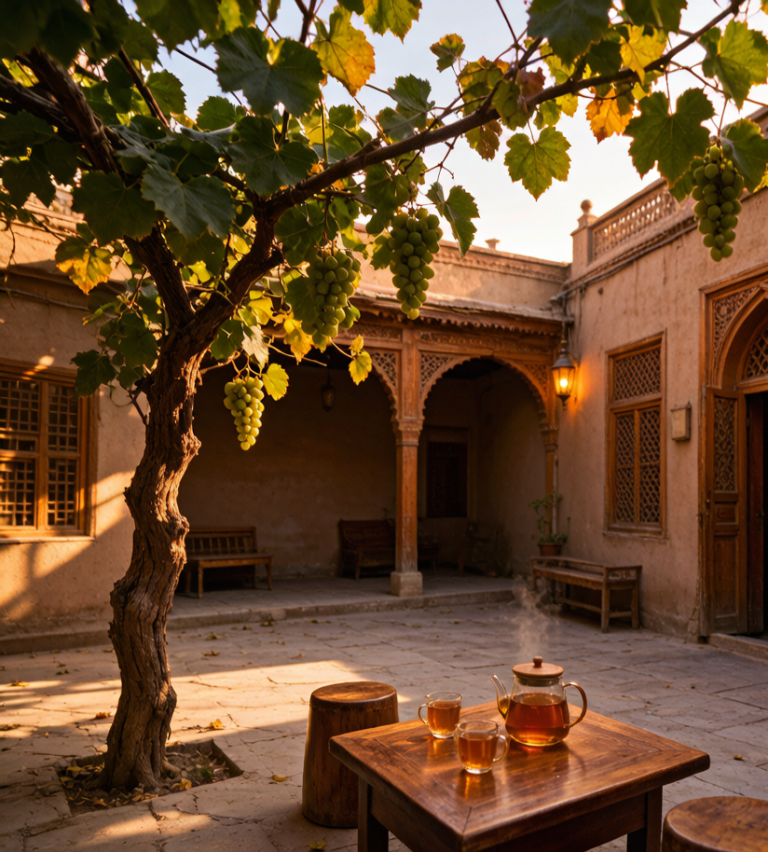
Held in the heat of August, this is Turpan at its most generous — free grape tastings, folk dance in the squares, and the chance to see the vine-draped courtyards at full productivity. Pair it with the cooler mornings at nearby ruins.
Kanas and Ili Grassland Festivals
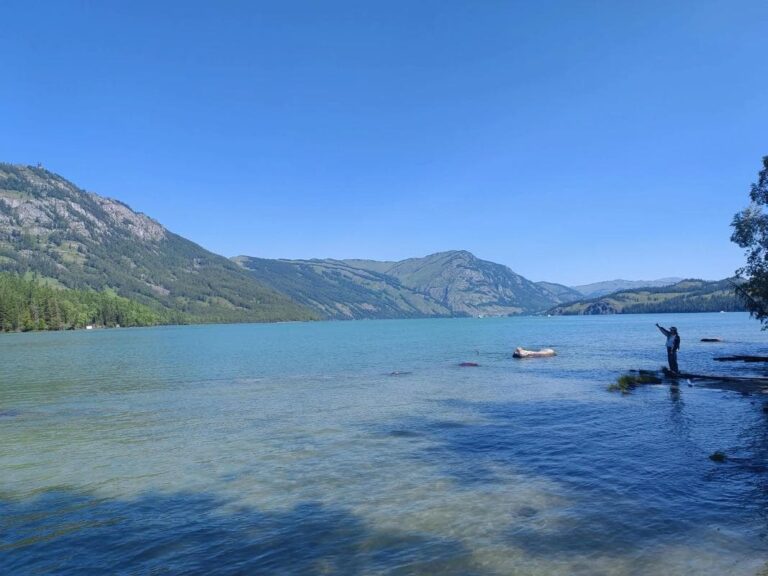
From July, Kazakh and Mongol communities around Ili and the grasslands east of Kanas hold horse racing, eagle-hunting demonstrations, and wrestling. These are less “events” with tickets and more open gatherings — ride out, watch, and you will likely be fed.
Regional Flavor: Northern Grasslands vs Southern Oasis Towns
The same festival feels different depending on where you catch it. In the north, around Ili and the Kanas fringe, celebrations lean outward and athletic — horses, eagles, and open-steppe gatherings where a visitor can stand at the edge of a circle and be waved in. In the southern oasis towns like Kashgar and Hotan, festivals fold inward toward the home and the mosque: door-to-door visiting, long shared meals, and music spilling from courtyards rather than stadiums. Neither is “more authentic”; they are two halves of one culture, and seeing both is the real education.
Picking a Base by Season
If your dates are flexible, let the festival choose your base. Spring Nowruz points you to Ili; a summer grassland event keeps you in the north’s brief green window; the autumn harvest calm is best savored in the south, where the heat finally breaks and the markets overflow with grapes, melons, and walnuts. Build the route around the date, not the other way around.
How Festivals Change Your Trip
A festival is wonderful and logistically heavy at once. Plan for both.
Booking and Crowds
Trains and hotels around the major Eids and Nowruz sell out weeks ahead, especially routes into Kashgar and Ili. Lift your planning horizon to a month out during these windows. Prices do not spike as brutally as during the October National Day holiday, but availability is the real constraint.
Transport During Festival Weeks
Intercity buses and trains run, but they fill. If you are moving between cities during a major Eid, leave a day earlier or later to dodge the surge. Within cities, ride-hailing apps get sparse at prayer times, so build buffer into any timed connection — and keep that cash handy for the taxi that appears when the app will not.
What to Wear and How to Behave
Dress modestly near mosques and during prayers — shoulders and knees covered, a scarf handy for women entering sacred spaces. Ask before photographing people at private moments; during public dance and markets, a smile and a gesture usually earns a yes. Our Xinjiang tea culture guide is a good primer on the hospitality you will be pulled into.
A Month-by-Month Quick Reference
- March: Nowruz in Ili and northern grasslands.
- April–May: Eid al-Fitr; spring blossoms in the valleys.
- May–June: Eid al-Adha; high country begins to green.
- July–August: grassland games, Turpan Grape Festival, peak travel.
- September–October: harvest calm, fruit everywhere, cooler drives.
- November–February: quiet, snow festivals in the north, family Eid observances.
For the broader weather and road picture that frames these dates, see our best time to visit Xinjiang breakdown before locking your flights.
Shoulder Seasons: The Quiet, Festival-Adjacent Wins
You do not have to hit a named festival to feel the region celebrate. The weeks just before Nowruz see families cleaning and painting their courtyards, and the days after a harvest fill the markets with a particular urgency and pride. If your dates are fixed by work rather than the calendar, aim for late spring or early autumn: you miss the big gatherings but catch the prep, the overflow of fruit, and prices that have not yet climbed into peak. Some of my favorite nights in Xinjiang were unplanned — a village yard, a borrowed stool, and a plate I could not name but still think about.
A season by season read
Spring and early summer
No. Nowruz is solar and stable near March 21, but the two Eids follow the lunar Islamic calendar and move earlier by about 10–11 days each year. Check the precise dates for 2026 close to booking.
Summer
Mornings of the main Eid days are quiet as families attend prayers, then things open and bustle. Tourist sights generally run, but government offices and some banks close for the holiday.
For the big Eids and Nowruz, book trains and hotels at least three to four weeks out. For summer grassland events, two weeks is usually enough outside National Day week.
Autumn
Yes. Festivals are family and community events, and curiosity about guests is warm. Follow local dress and photo courtesy and you will be treated generously.
Winter
In public squares, markets, and dance performances, yes — with a friendly gesture first. During prayers or private family moments, hold the camera. When unsure, ask; a nod beats regret.
4
An empty stomach, a small gift mentality (fruit or sweets if visiting a home), modest clothing, and cash, since market stalls at festivals are overwhelmingly cash-based.