Xinjiang Sunflower Seeds: The Roadside Snack That Defined My Drives
The first time I drove the Duku Highway I learned more about Xinjiang from a paper cone of sunflower seeds than from any guidebook. At every fuel stop, every teahouse, every rest area where the drivers pulled over, someone was cracking gua zi — sunflower seeds — with the side of a molar and spitting the shell out the window. It looks casual. It is not. Seed-cracking is the region’s default road language, and once you pick it up, the long desert kilometers stop feeling empty. Three trips later, a bag of salted seeds is the first thing I buy before any self-drive, and the last thing I finish on the way home.
Why sunflower seeds run Xinjiang’s roads
On a ten-hour transfer between oasis towns there is not much to do but chew. Sunflower seeds are dry, cheap, and slow — you cannot binge them, you have to pace yourself, which is exactly the point on a drive. Locals treat a full pile of shells as a sign of a good conversation. I have watched taxi drivers, truckers, and grandmothers in Kashgar courtyards all do the same rhythm: pinch one seed, crack, tongue the kernel out, discard, repeat. It is a social lubricant as much as a snack, and on the road it fills the dead air between radio stations that fade in and out of range.
If you rent a car, buy a bag at the first bazaar you see and keep it in the door pocket. At the Urumqi Grand Bazaar and the Kashgar Sunday Bazaar the roasted-seed stalls are easy to find by the smell of toasting oil alone. Vendors will often hand you a free pinch to taste before you commit to a kilogram.
Where they grow: the northern belt
Xinjiang is not one climate; it is a patchwork. The northern rim — irrigated by melted snow from the Tianshan and Altai — is where sunflowers thrive, both for oil and for eating. The cooler, wetter pockets around Tacheng, Altay, Changji, and the Ili Valley produce the fat, pale shi kui (edible sunflower) that ends up roasted in bags. Southern Xinjiang grows fewer eating seeds and more cotton and melon, which is why the seed stalls feel more native the further north you go.
| Region | What they grow | Best window |
|---|---|---|
| Tacheng (Tarbagatay) | Edible sunflower, large kernels | Aug–Sep harvest |
| Altay | Mixed oil + edible, cooler climate | Late Aug–Sep |
| Changji | Oil sunflower belt, pressed locally | Sep processing |
| Yili Valley | Edible, often sold at road stalls | Aug–Sep |
Oil sunflower versus edible sunflower
There are two crops and the bazaar sells both ends of the chain. You kui (oil sunflower) has small black striped seeds pressed for cooking oil — the golden bottles you see in every kitchen. Shi kui (edible sunflower) has bigger grey-white striped seeds bred to taste good roasted. Tourists almost always want the second. If a bag feels heavy and the seeds are fat, that is the edible type. If they are tiny and jet black, they are oil stock and will taste bitter raw. The labels usually say which, but the seed size is the faster test.
The art of cracking a seed
Nobody uses their hands. You place one seed flat between your back molars, bite down on the narrow edge — not the round belly — and the shell splits without crushing the kernel. The trick is pressure, not force. I cracked hundreds before I stopped shredding the inside. Vendors will demonstrate with embarrassing ease. Buy a small bag to practice; the big catering bags are for people who already know. Children learn by age five and will quietly out-crack you at a rest stop.
Seed etiquette on the road
Two unwritten rules. First, the shells go out the window or on the floor of the car, never on a restaurant floor or a hotel carpet — that is what the road is for. Second, offer the bag. Refusing a shared cone of seeds is the Xinjiang equivalent of refusing tea; it reads as cold. I learned this the hard way with a driver who went quiet until I finally reached in. After that the music got louder and the kilometers got shorter.
What to buy at the bazaar
Roasted seeds come in plain (original), salted, and a faintly spiced five-spice style. The original is the purest test of quality; if it tastes straw-like, it was old. Salted is the road default. Flavored versions are a newer, more tourist-friendly twist and fine as gifts. Avoid anything with a waxy sheen — that is usually a reused-oil roast.
| Type | Flavor | Price (per kg, 2026) | Best place to buy |
|---|---|---|---|
| Original roasted | Nutty, dry | ¥18–28 | Kashgar Sunday Bazaar |
| Salted | Lightly salted | ¥20–30 | Urumqi Grand Bazaar |
| Five-spice | Mild spice | ¥24–34 | Ili road stalls |
| Unshelled gift pack | Premium kernels | ¥40–60 | Airport shops |
Building a road-trip snack kit
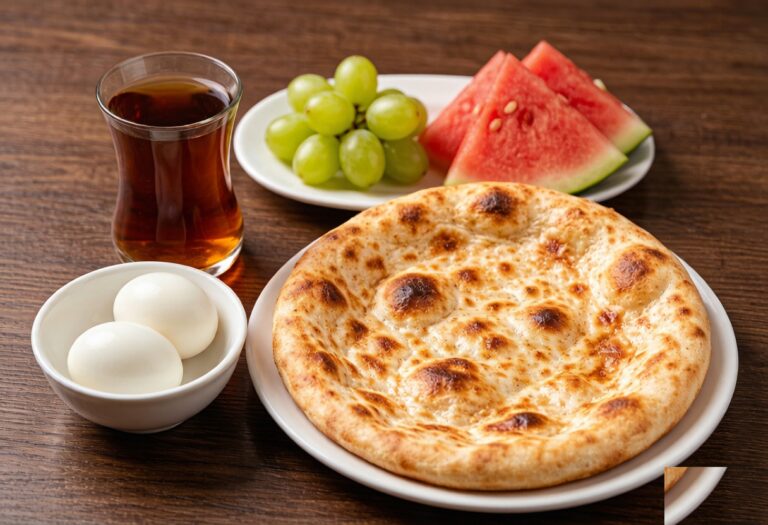
I now pack three things for any Xinjiang self-drive: a bag of salted seeds, a wedge of naan, and a bottle of water. The seeds pace the drive, the naan kills the hunger at the nowhere-midpoint, and the water is non-negotiable in the dry heat. For the wider picture on what to graze on the road, our guide to Xinjiang roasted seeds and nuts lists the other bagged snacks worth the stop. And if you want to turn the snack run into a proper shopping loop, the Xinjiang shopping and souvenirs guide maps the bazaars where the good stalls hide.
Storing and carrying them
Roasted seeds keep for months in a sealed bag away from heat, which makes them ideal for a multi-day loop where you cannot resupply. I decant a day’s worth into a zip pouch so the main bag stays crisp. In summer the car gets hot enough to turn oil-seeds rancid if left on the dash, so keep the stash in the footwell. If you are flying out, the factory-sealed gift packs survive a checked bag better than a market bag that silently opens in transit.
Frequently Asked Questions
Are Xinjiang sunflower seeds the same as the ones sold elsewhere in China?
Mostly yes in species, but the northern-belt edible type is notably larger and less bitter because of the cooler growing season and snowmelt irrigation. The bag labeled “Xinjiang gua zi” you see in other provinces is usually re-packed from here.
Do I need to worry about salt or additives?
Plain and salted varieties are just seeds plus salt. The flavored ones can carry MSG and spice powders; read the pack if you are sensitive. None are unsafe to eat.
Can I take seeds home through customs?
Roasted, commercially packed seeds are usually fine, but raw unprocessed seeds can be quarantined in some countries. Keep the receipt and check your home border rules — our shipping-souvenirs guide covers the export side too.
When is sunflower season in Xinjiang?
Fields flower in July and are harvested August–September. The edible seed bags appear from late August and stay good through winter, so almost any travel month works for buying.
Are the seeds safe to eat raw?
Edible sunflower seeds are safe raw, but Xinjiang vendors roast them for flavor and shelf life. I would not eat raw oil-sunflower stock straight from a field.
Why do locals spit the shells instead of eating them?
The shell is fibrous and tasteless and would wreck the rhythm of cracking one after another. Spitting is the efficient norm; bins are rare on open roads, so the shell goes where the wind takes it. In a closed room, use a dish.