What to Wear in Xinjiang: A Season-by-Season Packing Guide
The first time I landed in Urumqi in late March, I walked off the plane in a light jacket and immediately bought a wool hat from a street stall. Two days later I was in the Turpan basin sweating through a t-shirt. Xinjiang is not one climate — it is several stacked on top of each other, and the gap between noon and midnight can be 20°C even in summer. What you pack matters more here than almost anywhere else I have travelled. This is the practical, season-by-season wardrobe I wish someone had handed me before my first trip.
For timing your visit around the weather, our best time to visit Xinjiang guide breaks down what each month actually feels like on the ground.
Why Xinjiang Breaks Normal Packing Rules
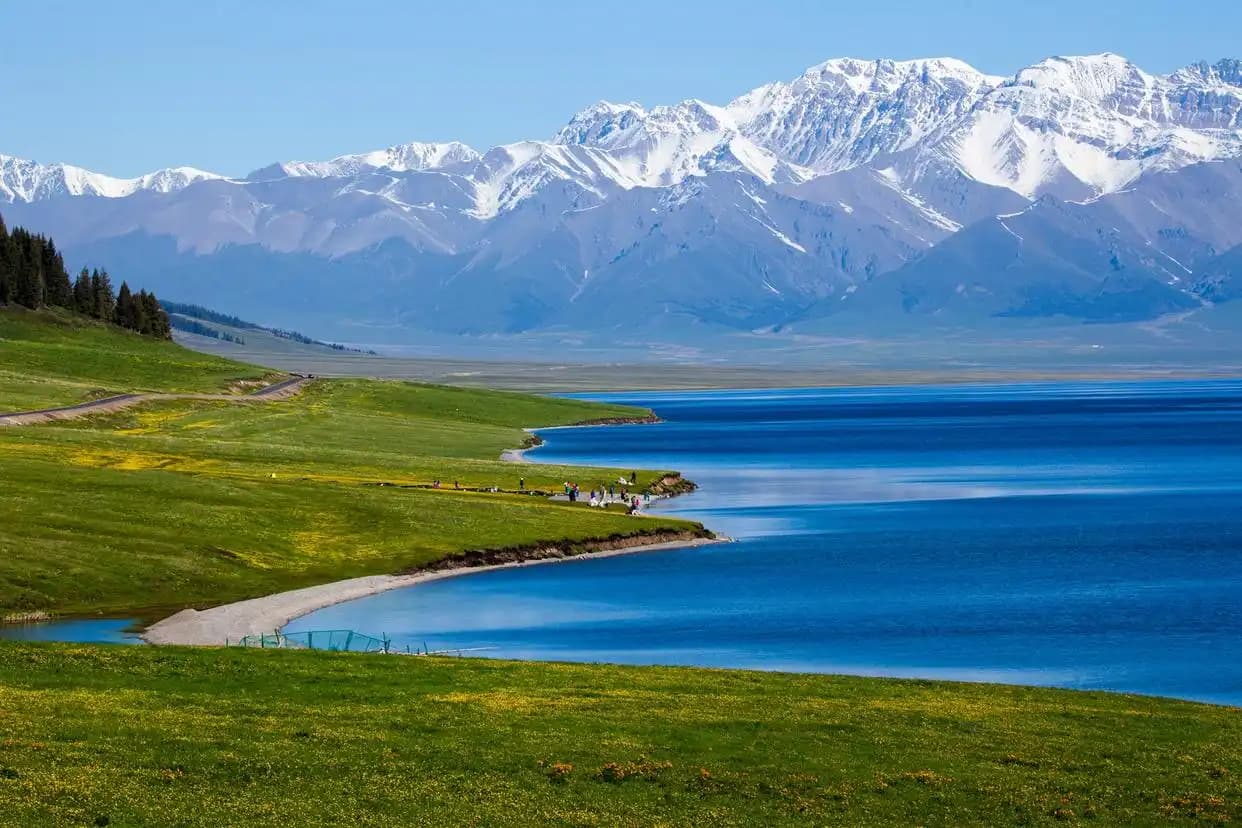
Xinjiang sits deep inland with vast deserts and high plateaus. That means a continental climate: scorching days, cold nights, intense sun, and very low humidity. On the Pamir or Tianshan you can get sunburned and shiver in the same afternoon. The single most useful habit is layering — not bulk. Three thin layers beat one thick coat because you can peel them off as the sun climbs.
The “Onion” System That Works
Base layer (breathable, wicks sweat), mid layer (fleece or light down), outer shell (windproof, ideally water-resistant). Add a scarf and a sun hat and you are ready for 90% of situations. I keep the shell in my daypack even in July.
I learned the hard way that cotton hoodies are dead weight here. They hold sweat, dry slowly, and leave you cold when the wind picks up. Synthetic or merino layers are worth the few extra dollars — they wick, they pack small, and they keep you warm even if a rain shower catches you. If you buy nothing else local, pick up a good wind shell at any Urumqi outdoor shop for a fraction of Western prices.
Season-by-Season Clothing Table
| Season | North (Urumqi, Kanas, Ili) | South (Kashgar, Turpan, Taklamakan edge) | Must-pack item |
|---|---|---|---|
| Spring (Mar–May) | Sandstorms, 5–20°C; light down + windbreaker | Warm days 15–28°C; dust storms need a scarf | Buff/face scarf for dust |
| Summer (Jun–Aug) | 18–32°C days, cool nights 12°C | 35–45°C, shade is rare | UV sleeves + 50+ sunscreen |
| Autumn (Sep–Oct) | Golden, 5–25°C; frost at night | 10–30°C, driest air of the year | Warm mid-layer for evenings |
| Winter (Nov–Feb) | -25 to -5°C; heavy coat required | -10 to 5°C; clear and crisp | Insulated boots + glove liners |
Region-Specific Reality Checks
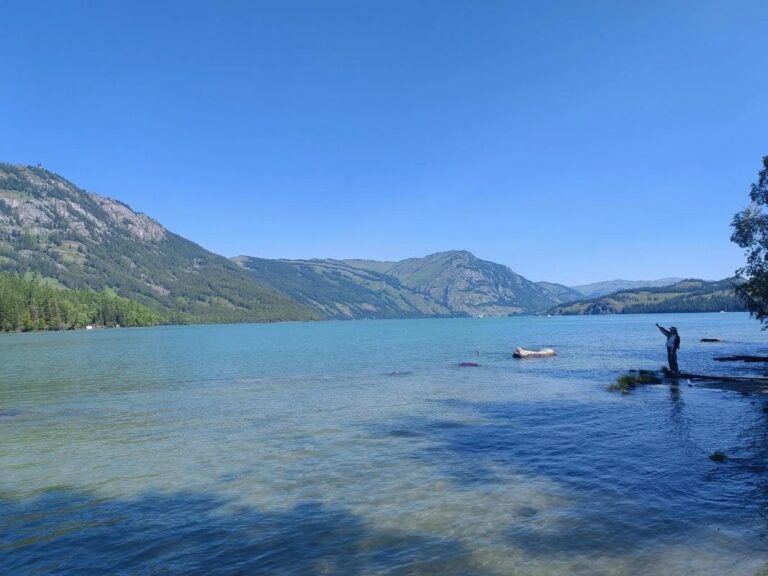
The north (Kanas, Hemu, Nalati) is genuinely cold at altitude and gets sudden rain — pack a real rain shell, not just a poncho. The south (Kashgar, Khotan, Turpan) is dry and sunny; a wide-brim hat and UV-blocking sunglasses are non-negotiable. Turpan in summer is one of the hottest places in China, so loose, light cotton wins over technical gear.
Footwear
You will walk on cobbled old-town lanes, gravel lake shores, and maybe snow. A single pair of broken-in trail shoes handled every surface for me. Skip brand-new boots — blisters in the Taklamakan are no joke.
Sun, Altitude, and the Things Tourists Forget
The UV at 2,000–3,600 m (Pamir, Tianshan passes) burns fast. Lip balm, a 50+ SPF, and a sun hat live in my bag year-round. Altitude also means temperature swings; a compact down jacket that compresses to a fist is the single best item I own for this region.
If you are self-driving, our road-trip car packing guide covers the extra layers and emergency gear to leave in the vehicle.
Dress and Respect: What to Cover
Xinjiang is predominantly Muslim. In cities you will see everything from jeans to headscarves. For visiting mosques or rural villages, both men and women should cover shoulders and knees; women may be asked to borrow a robe at the door. I carry a lightweight long-sleeve overshirt that doubles as sun protection and modesty cover — easy, no fuss.
One more note: bright, modest, and practical beats fashionable. Loose trousers and a long top let you enter any mosque and walk any market without a second thought. I also carry a small quick-dry towel and a pack of tissues — public restrooms vary, and the towel doubles as a picnic blanket by a lake.
My Actual Packing List (the 12 items I reuse)
After four trips I trimmed my bag to a repeatable core. Here is what earns its place every time:
- A packable down jacket (compresses to a fist, lifesaver at 3,000 m and on cold trains).
- One windproof shell — used in dust, rain, and Pamir wind.
- Two merino or synthetic base layers — they wash in a sink and dry overnight.
- A long overshirt — sun shield by day, modesty cover at mosques.
- UV sunglasses and a 50+ SPF stick.
- A buff/scarf — dust, sun, and a pillow on sleeper trains.
- Broken-in trail shoes.
- Flip-flops for guesthouse showers and yurt stays.
- Lip balm and a small moisturiser — the air is brutally dry.
- A power bank (cold kills phone batteries fast).
- Reusable water bottle with a filter for tap-water caution.
- Earplugs — coaches and trains run loud and long.
Notice what is missing: a separate “summer” and “winter” wardrobe. The layering system above covers both; you just add or drop a layer. I have worn the exact same kit in 42°C Turpan and -18°C Hemu and been fine both times.
Layering in Practice: One Day on the Pamir
To make this concrete, here is a real day. I left Tashkurgan at 8 a.m. in a base layer, fleece, and shell — it was -4°C and windy. By noon at Karakul Lake the sun pushed 14°C and I was in just the base layer with the shell tied at my waist. At 7 p.m., back over the pass, the shell and fleece went back on and I was glad for gloves. Same three items, three very different temperatures. That is the entire philosophy: carry little, adjust often.
Small questions, honest answers
Do I really need a winter coat in summer?
Only if you go above 2,500 m or into the mountains at night. For lowland Kashgar or Turpan in July, no — but pack one warm layer for air-conditioned trains and cold desert dawns.
Is there a dress code for tourists?
No strict code in cities, but cover shoulders and knees at mosques and in conservative villages. A long overshirt solves it.
What shoes are best?
One pair of broken-in trail or walking shoes. They handle old-town lanes, lake shores, and light snow.
How bad is the sun really?
Strong enough to burn you in an hour at altitude. SPF 50+, hat, sunglasses, and lip balm are essential, not optional.
Can I buy clothes locally if I under-pack?
Yes — bazaars sell cheap, practical layers, scarves, and hats everywhere. But sizes and quality vary, so pack the essentials and top up locally.
Should I pack for dust storms?
Spring in the north and south can bring dust. A buff or light scarf over your face makes a huge difference; keep one in your daypack from March to May.