Toilets on a Xinjiang Road Trip: The Honest Guide Nobody Warns You About
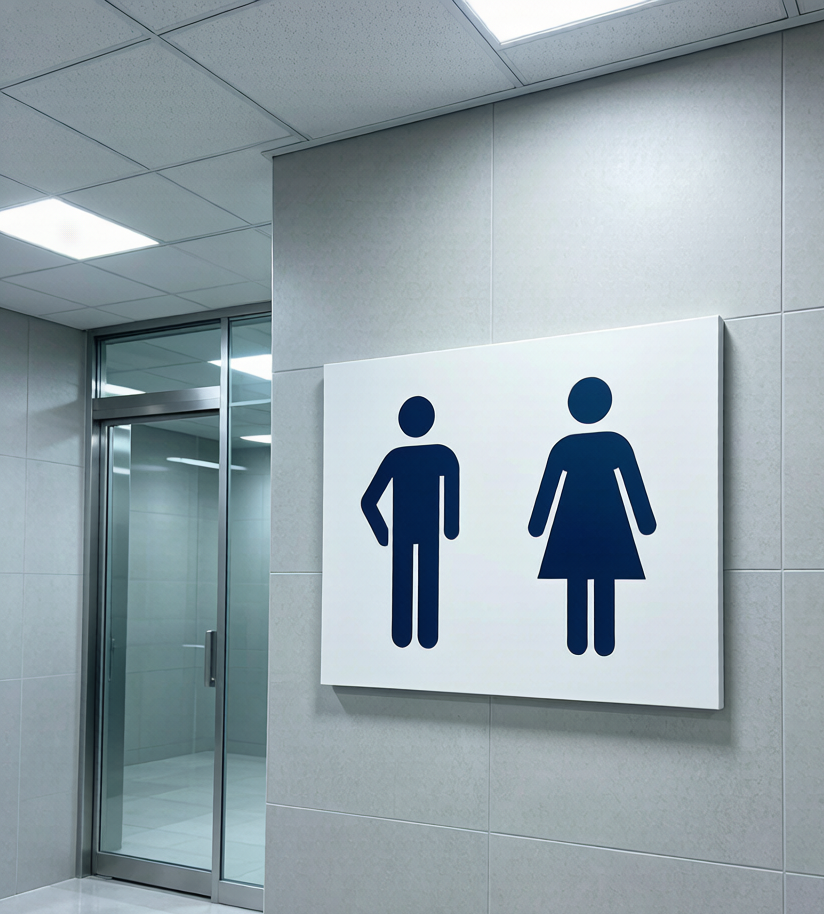
No one writes the toilet guide, and everyone needs it. After thousands of kilometres of Xinjiang road, I can say the bathroom situation is manageable if you plan it, and miserable if you do not. This is the post I wish I had read first.
The good news is the highway system. Major arteries have service areas with proper, often cleaned restrooms at regular intervals, and I learned to use them on a schedule rather than when desperate. They sit at the same stops as the checkpoints sometimes, so a wait becomes two jobs done.
The hard news is the detour. A grassland side road or a desert attraction can leave you hours from a flush toilet, and the open steppe offers no cover. I now treat the last proper restroom before a remote leg as a waypoint, the way I treat sun protection as a precondition, not an afterthought.
Carry your own kit. Toilet paper is not guaranteed, wet wipes and a small trash bag earn their place in the car, and I keep both within reach. On a self-drive loop the car is your base, so stock it like one.
Timing helps. In my season planning I note that shoulder months mean quieter service areas and shorter queues, while peak summer at popular lake towns can mean a line. None of it is dire; all of it is smoother with a plan.
The real lesson is psychological: build the day around the toilet map and the trip gets easier. Stop when you can, not when you must, and the open road stays a pleasure instead of a calculation. It is the least glamorous advice I give, and the most used.
The single best habit I built was the pre-departure stop. Before any remote leg, I use the last real toilet in town even if I do not strictly need it, because the next one may be hours away. It sounds fussy until the desert teaches you otherwise, and then it becomes reflex.
Service areas at major passes are your friends; I time long drives so a big checkpoint or a pass coincides with a break, killing two birds with one stop. Plan the bladder with the map, and the open road stays a pleasure instead of a math problem.
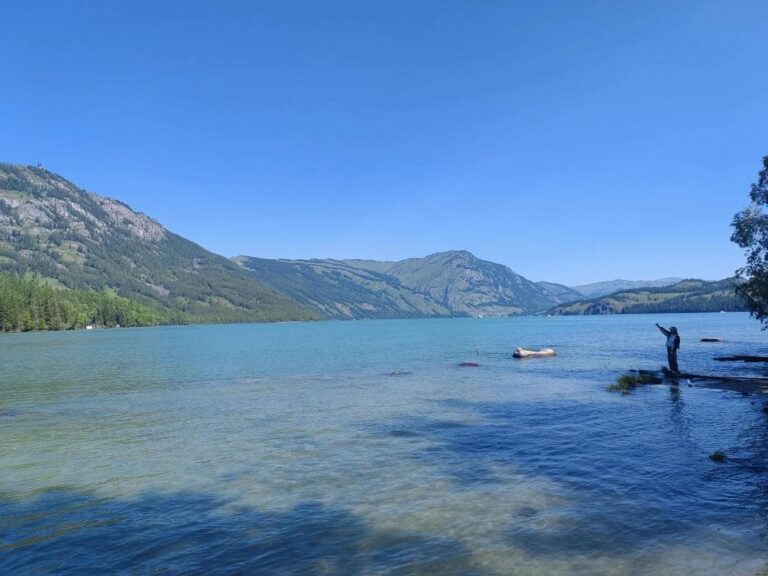
The desert attractions are the trap. A famous lake or ruin can have a fine toilet at the gate and nothing for the next three hours of scenic driving, and I have watched travellers caught out by that gap. My fix is to treat the gate toilet as the last one, not the first, and to sip water on a schedule rather than by thirst, so I am never desperately full at the wrong moment. Wet wipes and a small roll of paper live in the door pocket, and a trash bag for the used ones, because leaving paper in a pit is worse than carrying it out. None of this is glamorous, all of it is freedom: solve the bathroom and the biggest worry of remote driving simply disappears, and the landscape opens up again.
Fuel, and the gaps where there is nothing
I have been on a road in this region where the next fuel was two hours back, the reason being a closure, and the only thing that got me moving was a trucker with a spare can. Fill before you leave anything with a city name on the map, even if the next is only ninety minutes out. Every town on this route has a station and every station takes cards, which is the good news. The bad news is the distance between them through the middle sections, enough that a full tank is arithmetic rather than paranoia. For the part people underestimate, see our [[xinjiang-road-trip-hygiene-toilets-laundry-guide|Staying Clean on the Road in Xinjiang:…]].
The checkpoints, honestly
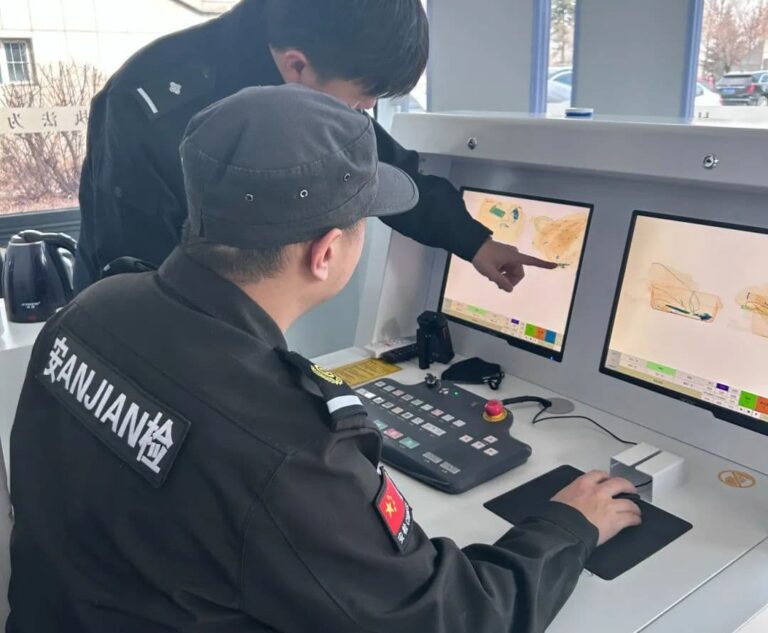
Write down the address of tonight’s accommodation, because that is the question they ask. They are tedious rather than dangerous, and the driver’s document pack is the only thing that makes them quick. Nobody has ever been rude to me at one of these. You will stop at checkpoints. They are short, they are not hostile, and the whole process for a foreign plate takes longer than for a local one because the officer has to make an entry. Keep passport and car documents in the glovebox rather than the boot so you are not unpacking in front of a queue. That stretch of the trip is described in our [[xinjiang-public-toilets-road-trip|Xinjiang Public Toilets on a Road Trip: The…]] too.
Where to sleep on the road and where to park
The county town on this route is where to overnight, not the scenic stop, because the scenic stops have no quiet parking and no kitchen open after eight. Ask for a room away from the yard, since the yard is where the trucks sleep. In Xinjiang the hotels cluster along the through road and the value one is usually the second block back, five minutes from the misnamed central place and half the price. The evening version of that plan is in our [[self-drive-tourism-xinjiang-ultimate-road-trip-guide|Self-Drive in Xinjiang: What You Need to…]].