Saffron in Xinjiang: Where the Red Gold Grows and How to Buy It
A traveler’s guide to saffron in Xinjiang: where it grows around Kashgar and Hotan, how to spot real threads, fair prices, and how locals cook with red gold.

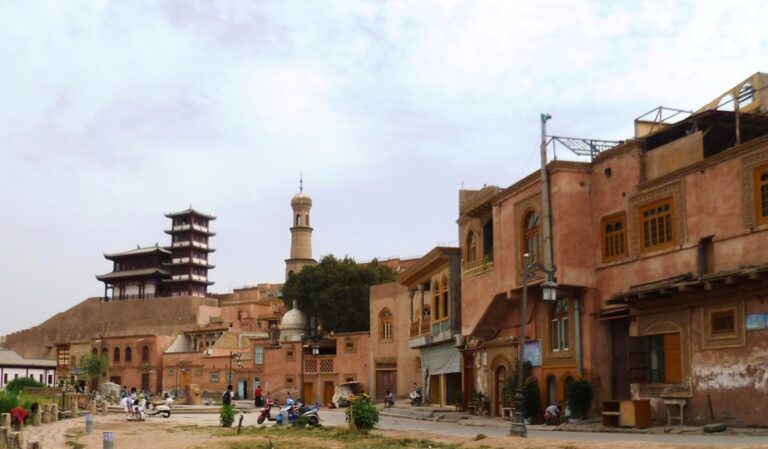
A traveler’s guide to saffron in Xinjiang: where it grows around Kashgar and Hotan, how to spot real threads, fair prices, and how locals cook with red gold.
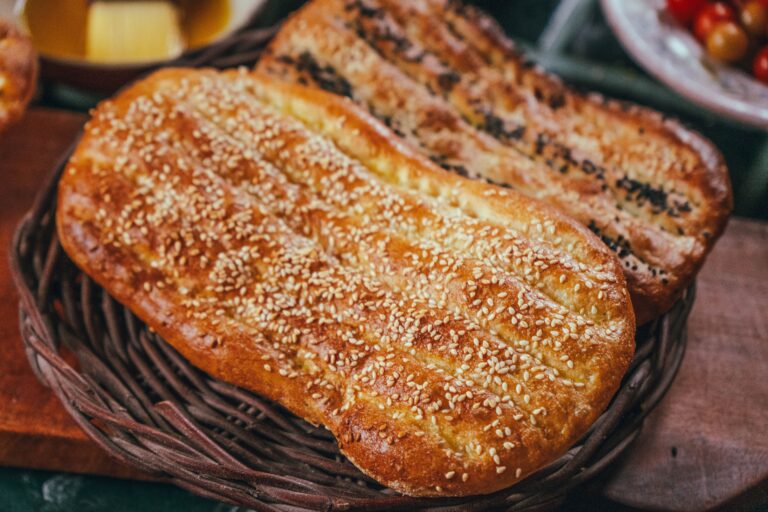
From tandyr ovens to bazaar stalls, discover Xinjiang nan bread varieties, how they’re made, where to buy them, and the etiquette of eating them.
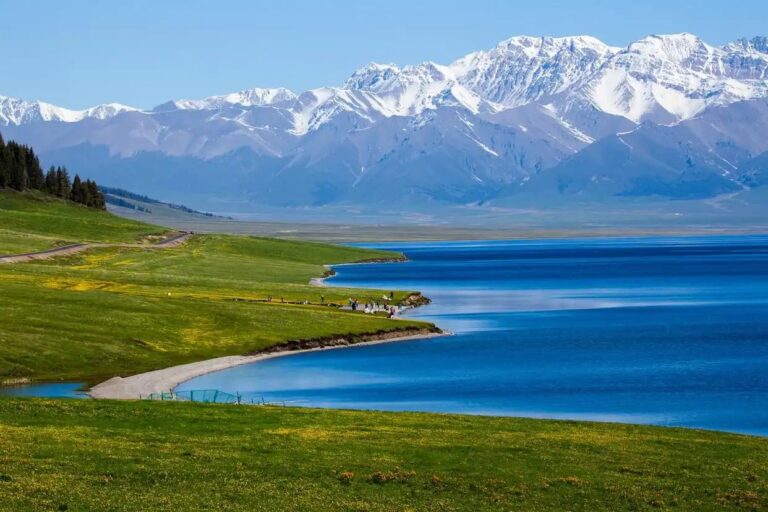
Xinjiang jujube (Hongzao) from Hotan is the sweetest red date in China. A traveler’s guide to grades, prices, how locals eat it, and where to buy.
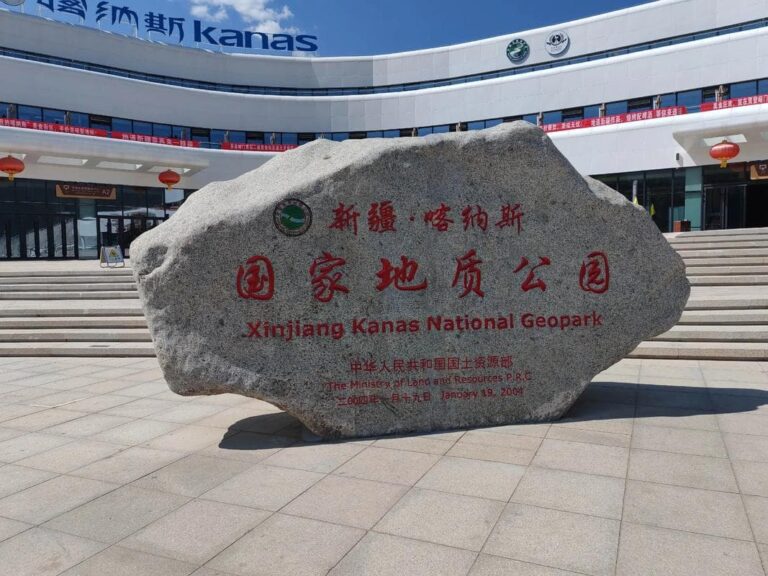
A practical guide to Uyghur and Central Asian dining etiquette in Xinjiang: tea rituals, naan rules, shared plates, toasts, and table manners to avoid.
Xinjiang istiray — thin cold wheat noodles in garlicky vinegar sauce. Where to eat them, how they differ from liangpi, and a quick home version.

A first-person guide to Xinjiang chuchura – the sparkling yogurt soda Uyghurs drink all summer, where to find it, and how it compares to ayran and dugh.
Xinjiang grape-leaf dolma (yaprak) explained: where to eat it, how it’s made, veg vs meat, and how to read the menu in Turpan and Kashgar.

Xinjiang sea buckthorn explained: what it tastes like, where it grows, juice vs jam vs concentrate, fair prices, and how to buy the good stuff.
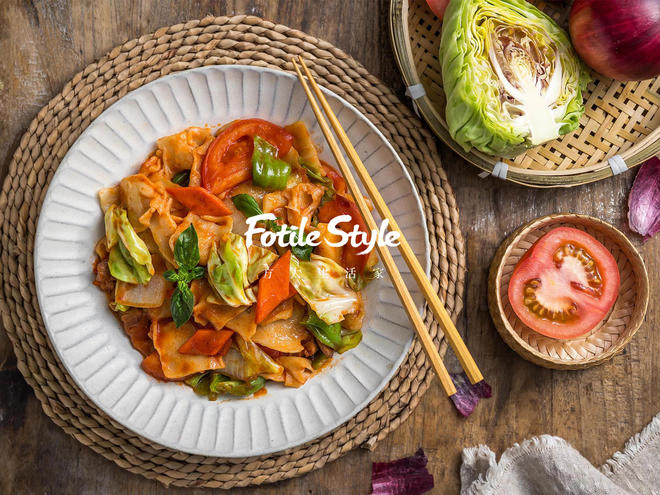
First-person guide to Xinjiang noodles — laghman, chao mianpian, dao xiao mian. Where to eat, how to order, prices, and halal notes for travelers.

Xinjiang pilaf (polo) is the region’s comfort-food staple — oil-cooked rice with lamb, carrot and raisin. What it is, how it’s made, and where to eat it.