Xinjiang’s Wild Apple Forests: Chasing Malus sieversii Blossom in the Ili Valley
A guide to the Ili wild apple forests: where the Malus sieversii stands are, the May blossom window, access without a car, and what to bring.


A guide to the Ili wild apple forests: where the Malus sieversii stands are, the May blossom window, access without a car, and what to bring.

A traveler’s guide to Shihezi, Xinjiang: the reclamation museum, tree-lined streets, autumn harvest, costs, trains from Urumqi, and how to fit it into a route.

Long before the Ming Wall, Han dynasty beacon towers stitched the Taklamakan’s edge together. Here is where to see these 2,000-year-old desert sentinels.
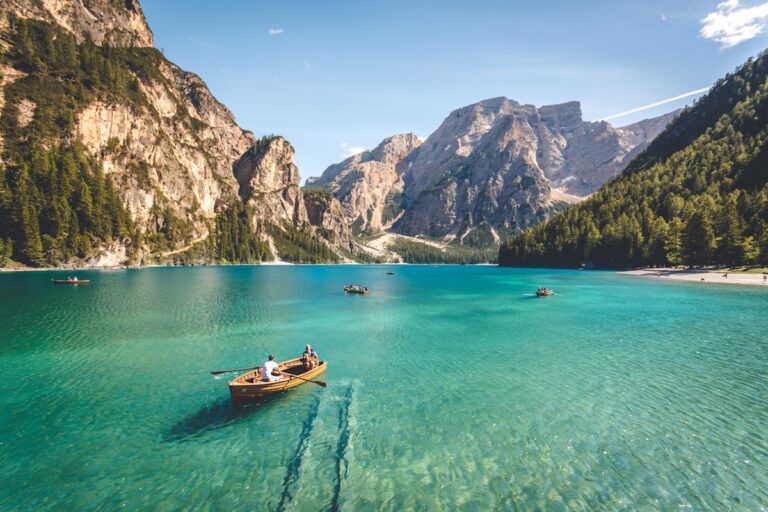
Loulan and Niya are the legendary lost cities of the Taklamakan. Learn their history, the Loulan Beauty mummy, why they vanished, and where to see their legacy.

Xinjiang’s dinosaur fossils: the Junggar and Turpan basins, major sites, museums to visit, and how to plan a fossil-themed trip responsibly.
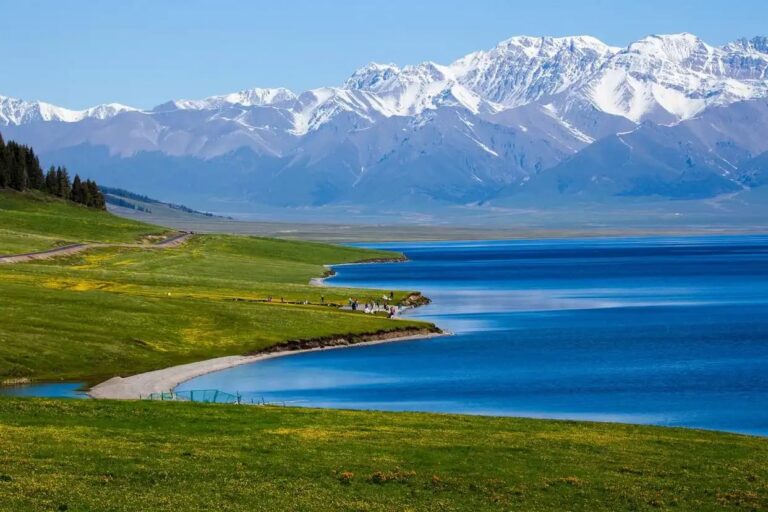
Xinjiang’s Bayinbuluke wetland: green meadows, the winding Kaidu River, and wild swans. A practical guide to permits and the best visiting season.

Huocheng, Xinjiang is China’s lavender capital. Learn when the lavender blooms, how to get there, what to do, and how to pair it with nearby Sayram Lake.

Xinjiang UNESCO World Heritage sites guide: the Xinjiang Tianshan natural inscription and the Silk Roads corridor, what each protects and how to visit them.
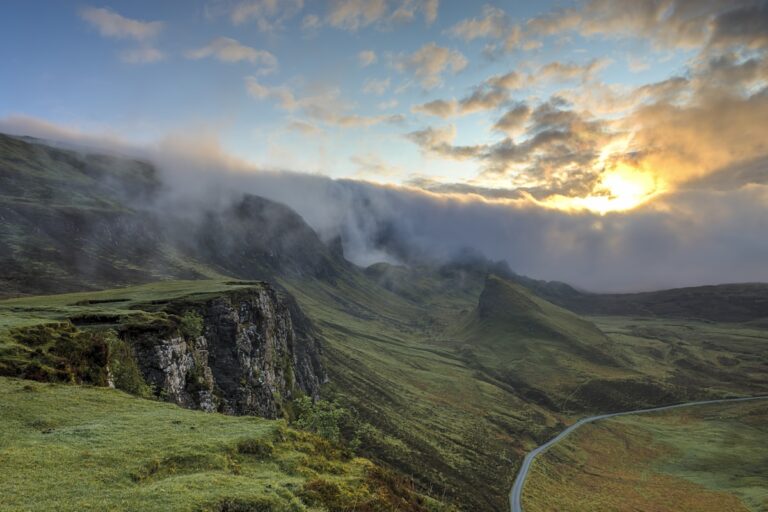
Naraty Grassland is Xinjiang’s most visited alpine meadow. Learn how to get there, ticket prices, best months, and where to stay in the Ili Valley.
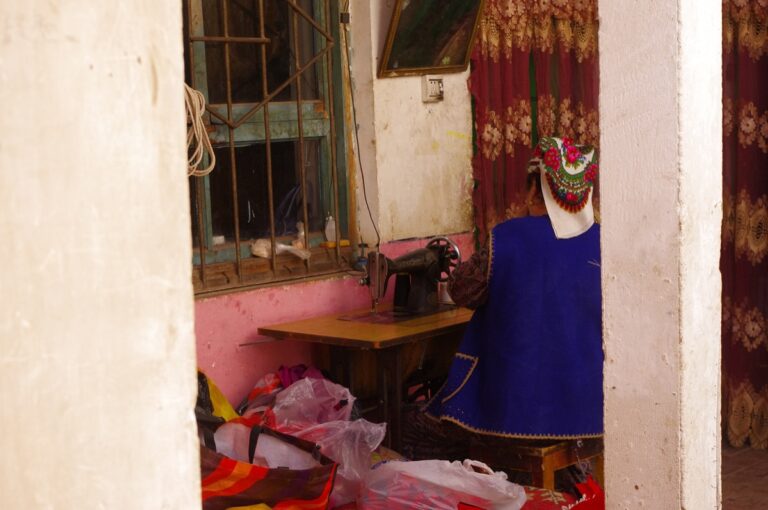
Yarkand (Shache) is one of the Tarim Basin’s oldest oasis towns — a former Silk Road kingdom with a living Uyghur music tradition, a vast royal cemetery, and none of the crowds of Kashgar. Our complete guide covers history, what to see, and how to get there.