Shenyang Travel Guide: History, Highlights and Where to Stay
Shenyang is where the Qing dynasty began: Nurhaci moved his capital here in 1625 and the Mukden Palace is the only surviving Qing royal palace outside Beijing. Beyond it, the city has two imperial tombs, one of the most direct museums in China on the Japanese occupation, and a food scene built on dumplings, skewers and chicken that is among the cheapest in the country. Two to three days is the right amount.
Why Visit Shenyang
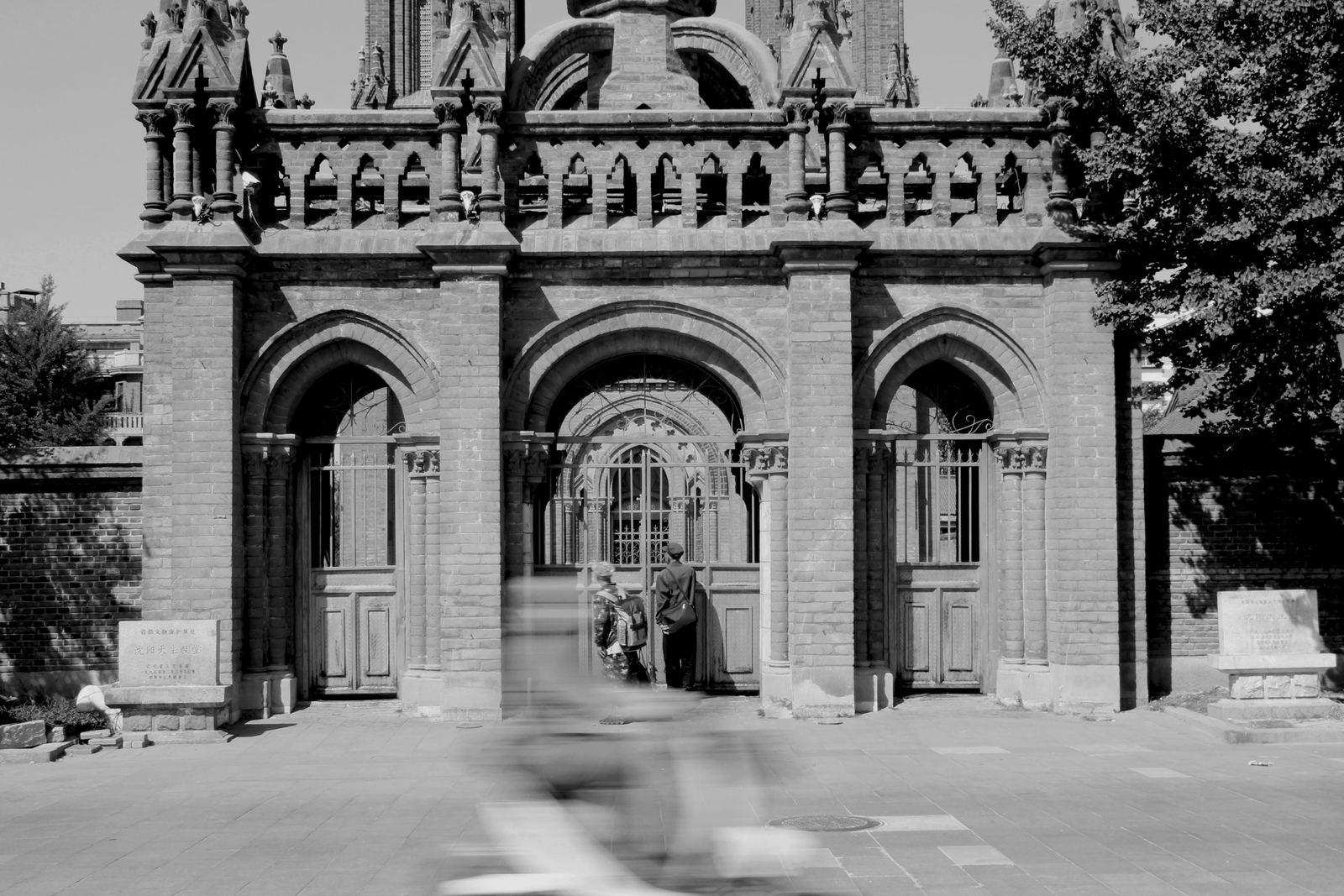
Shenyang (沈阳) earns its place among China’s essential stops because manchu imperial capitals and the best imperial tombs north of the wall.
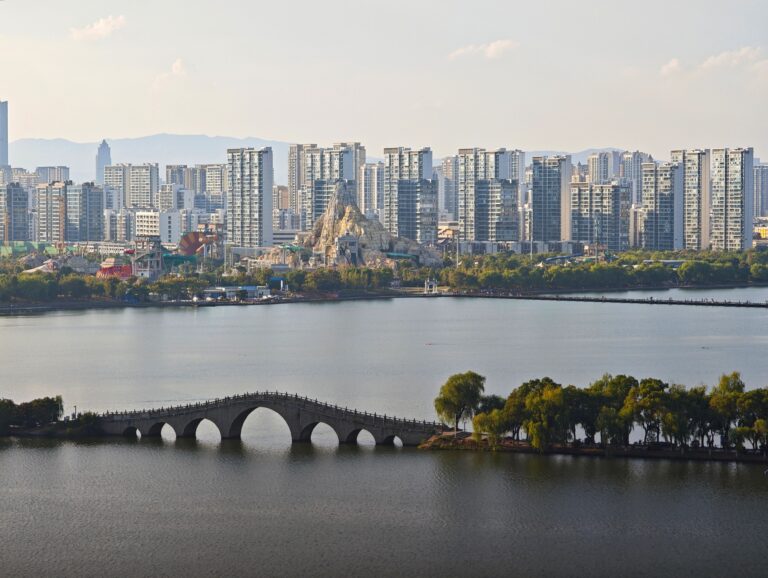
Shenyang feels more Manchurian than generically Chinese: wide boulevards, a visible Korean community in the Xita quarter, and a food culture built on dumplings, skewers and chicken. It is one of the cheapest large cities in China to eat and sleep in, and a practical base for Liaoning’s caves and mountains.
The Story Behind Shenyang
Shenyang was the Manchu capital before Beijing. Nurhaci moved his court here in 1625, and his son Hong Taiji expanded the palace and renamed the dynasty Qing in 1636; the Mukden Palace is the only surviving Qing royal palace outside Beijing. The city also holds two of the dynasty’s imperial tombs, Fuling and Zhaoling. In the twentieth century Shenyang became a heavy-industry centre, and in September 1931 the Mukden Incident here gave Japan its pretext to occupy Manchuria — the 18 September museum on the site is free and very direct about it.
Top Things to Do in Shenyang
Mukden Palace
Built from 1625 and expanded under Hong Taiji, who renamed the dynasty Qing here in 1636. It is smaller than Beijing’s Forbidden City but architecturally different — Manchu rather than Ming in its planning, with the ruler’s hall set on raised ground above the living quarters and heavy use of glazed tile. Two hours is enough, and the audio guide is worth taking.
Zhaoling, the North Tomb
The tomb of Hong Taiji, set in a large wooded park north of the centre. The spirit way with its stone animals and officials is the highlight, and because the park is enormous it rarely feels crowded. Locals come here to walk, which tells you how pleasant it is.
Fuling, the East Tomb
Nurhaci’s tomb, laid out against a wooded hill on the eastern edge of the city. It is less restored than Zhaoling and quieter still; the climb up through the trees to the tomb proper is the reason to come.
18 September History Museum
Built on the site of the 1931 Mukden Incident, the staged explosion Japan used as its pretext to occupy Manchuria. Free and closed Mondays, and unusually unflinching about what followed. Allow an hour and a half, and do not schedule it as a light afternoon.
Marshal Zhang’s Mansion
The residence of Zhang Zuolin, the warlord who ruled Manchuria, and of his son Zhang Xueliang — the ‘Young Marshal’ whose 1936 arrest of Chiang Kai-shek changed Chinese politics. The compound pairs a traditional courtyard house with a European-style building, and it is a short walk from the palace.
The Xita Korean quarter
North of the station, this is the Korean-Chinese neighbourhood: Korean signage, table barbecue, cold buckwheat noodles and bakeries. It is the best dinner in the city and genuinely distinct from the rest of Shenyang.
Best Time to Visit Shenyang
May–June and September–October. Winters are brutally cold (down to −20 °C) but great for ice festivals; summers are warm.
At a Glance
| Detail | Information |
|---|---|
| Best season | May–Jun, Sep–Oct |
| Airport | SHE Shenyang |
| Must-see | Mukden Palace |
| Local dish | Guo bao rou |
| From Beijing | ~2.5 hrs rail |
Getting to Shenyang
Shenyang Taoxian (SHE) has flights nationwide; it’s a major high-speed rail hub — ~2.5 hrs from Beijing and ~4 hrs from Harbin.
Getting Around Shenyang
Shenyang has a growing metro network crossing the centre, plus cheap taxis and a dense bus system. The old city and the palace are walkable; the two imperial tombs lie north and east of the centre and are quicker by taxi. Intercity trains to Anshan, Benxi and Dalian leave frequently from the main stations.
What to Eat in Shenyang
Shenyang chicken frames
Smoked, braised or deep-fried and tossed with chilli and cumin, eaten as a beer snack rather than a meal. It is the city’s defining cheap eat and locals are entirely serious about it.
Laobian dumplings
A Shenyang institution trading since the nineteenth century, known for pork-and-shrimp fillings and a distinctive simmered preparation.
Korean food in Xita
The Korean quarter north of the station does cold buckwheat noodles, table barbecue and a spread of side dishes at prices well below Seoul’s.
Where to Stay in Shenyang
Shenhe, near the old city
Walkable to the Mukden Palace and the Zhang mansion; the most convenient base for a first visit.
Heping, near the station
Central, well connected by metro, and close to the Xita food quarter — good if you arrive and leave by train.
Xita itself
Smaller hotels and guesthouses in the Korean quarter; the best option if food is the point of the trip, but book ahead.
A 3-Day Shenyang Itinerary
This 3-day plan covers the core of Shenyang without rushing; if you have less time, take the first day and add the parts of the second that matter most to you.
Day 1 — the Manchu capital
The Mukden Palace in the morning, then the Zhang mansion a few minutes’ walk away. Lunch in the old city, and the 18 September museum in the afternoon if you want the twentieth-century half of the story. Dinner and skewers in Xita.
Day 2 — the two imperial tombs
Zhaoling in the morning, when the park is quiet and the light is good on the spirit way. Fuling in the afternoon for the climb through the woods. Finish with a dumpling dinner — Laobian or one of the neighbourhood shops.
Day 3 — a day out
Take the Benxi Water Cave for the underground river, or the train to Anshan and Qianshan for granite peaks and cliff temples. Both are comfortable returns the same evening.
Day Trips from Shenyang
Benxi Water Cave
One of Asia’s longest underground river caves, roughly two hours southeast, with a boat trip through the lit chambers included.
Qianshan, near Anshan
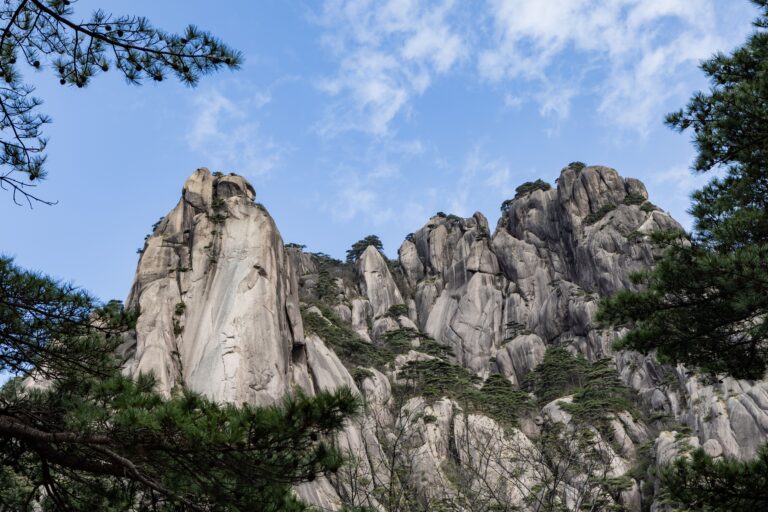
A granite range of peaks with cliff-side Buddhist and Taoist temples — an easy day by fast train to Anshan and a short transfer.
Hetuala, the first Manchu capital
The restored early Manchu seat in Fushun, for travellers who have already seen the Mukden Palace and want the origin story behind it.
What a Trip to Shenyang Costs
| Item | Indicative cost |
|---|---|
| Mukden Palace | ¥50 (approx.) |
| Zhaoling, the North Tomb | ¥30–50 |
| 18 September Historical Museum | Free — closed Mondays |
| Mid-range hotel | ¥200–400 per night |
| Street-food meal | ¥15–40 |
| Metro fare | ¥2–7 |
Figures are indicative planning ranges and move with season, exchange rate and holiday demand — confirm on the official site or your booking app before you commit.
Practical Tips for Shenyang
- Two to three days is right. One day gets you the palace and one tomb; three gets you the whole Qing story plus a day trip.
- Visit between May and October. January regularly drops below minus twenty, and you need real cold-weather clothing, not a jacket.
- The metro is cheap and covers the main sights; taxis are inexpensive enough for the tombs, which sit north and east of the centre.
- Eat the dumplings, the skewers and — if you are game — the chicken frames, which locals treat as a beer snack rather than a meal.
- Several museums close on Mondays, including the 18 September museum; plan around it.
- Shenyang pairs well with Dalian on the same trip: industry and history first, coast second.
Mistakes to Avoid
- Seeing the palace and missing Fuling and Zhaoling, which are the quieter half of the Qing story and far emptier.
- Visiting in January without serious cold-weather clothing — Shenyang regularly falls below minus twenty.
- Treating the Mukden Palace as a small copy of Beijing’s; its architecture is Manchu and worth its own hour.
Is Shenyang Right for You?
Two to three days works well. Shenyang suits travellers interested in Qing and Manchu history, Korean-Chinese food and low prices; skip it if your China trip is short and you only want the headline sights.
Plan Your Trip
These official and reference sources help you verify opening hours and book ahead:
Frequently Asked Questions
How many days do you need in Shenyang?
Two full days covers the palace, both tombs and the museum. Three lets you add Benxi or Qianshan. It is also an easy overnight stop on a wider Northeast itinerary.
What makes Shenyang different from other Chinese cities?
It was the Manchu capital before Beijing, so it holds the only other surviving Qing royal palace plus two of the dynasty’s imperial tombs. The Korean community and the food culture are the other half of the difference.
Is Shenyang worth visiting?
Yes if you care about Qing and Manchu history or want to eat well cheaply. If your China trip is short and you only want headline monuments, spend the time in Beijing instead.
How cold does Shenyang actually get?
Winter is severe: January highs often sit below freezing and nights well below minus twenty. Come in late spring or early autumn unless you are prepared for it — the tombs are genuinely beautiful in snow if you are.