Getting Around Xinjiang Without a Car: Trains, Buses, and Flights for the Non-Driver
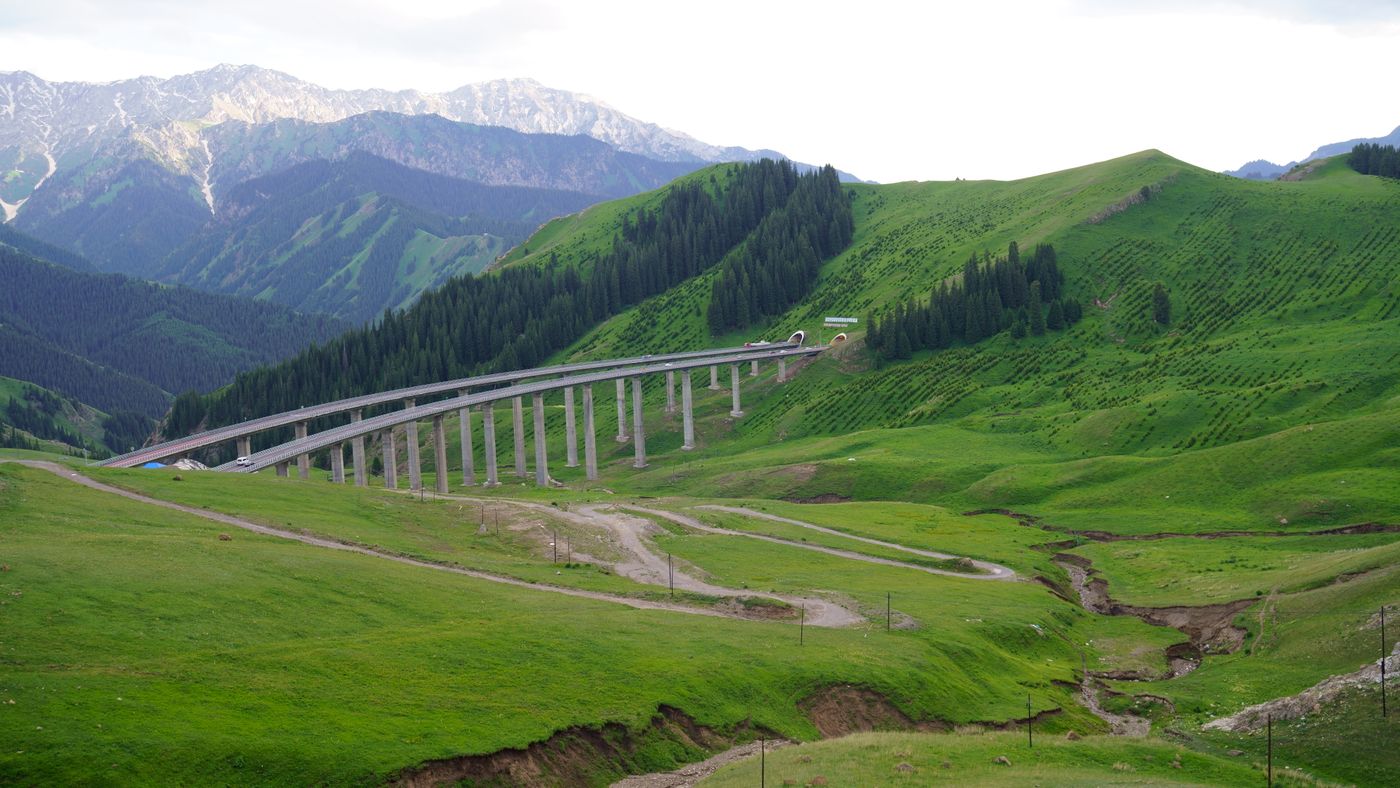
Most Xinjiang travel content assumes you are behind the wheel of a rented SUV, hammering down the Duku Highway. I did that trip too, and it is glorious. But on my second visit I arrived with a busted knee and zero interest in driving 2,000 km of mountain passes, and I discovered something useful: you can see an enormous slice of this region without ever touching a steering wheel. This is the no-car playbook I wish I had before that trip — what moves, what it costs, and where you will still need to flag down a ride.
Why skip the self-drive
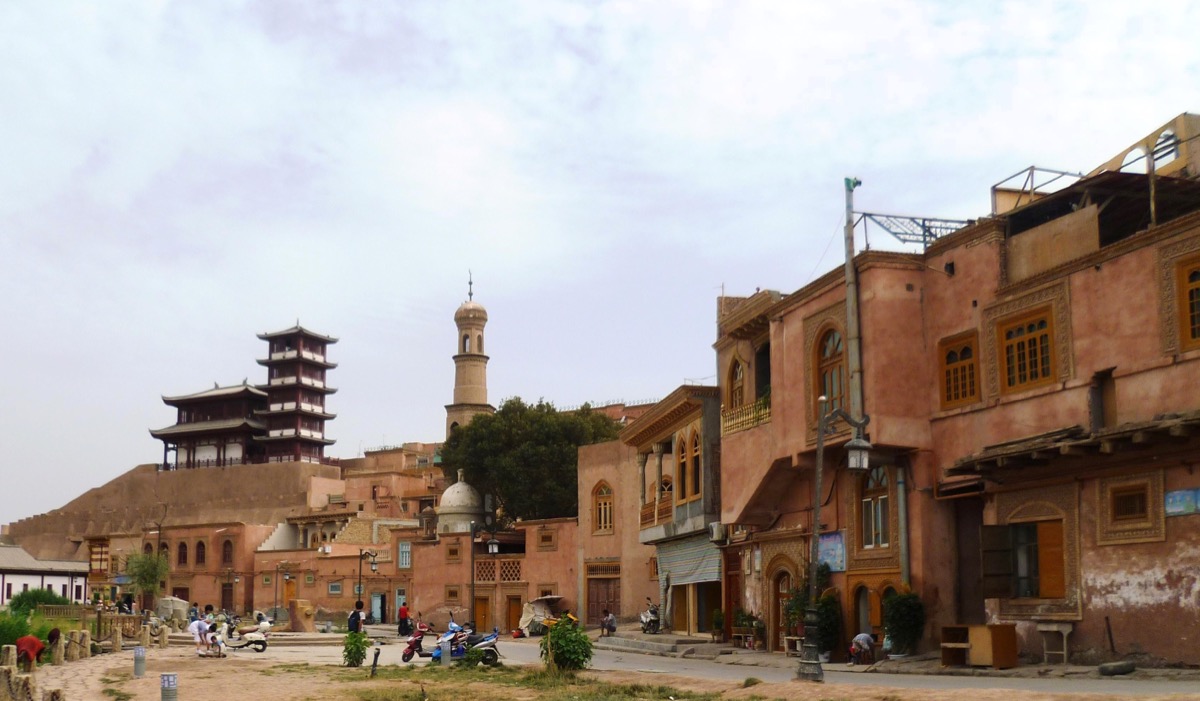
Xinjiang is huge — about 1.6 million square kilometers, a quarter of China’s landmass. Sprawling as it is, the province has a surprisingly usable public backbone once you understand it. Skipping the car means no parking anxiety in Kashgar’s Old Town alleyways, no 400 km fuel math, and no white-knuckle passes in sleet. The trade-off is flexibility: buses and trains run on their schedule, not yours. For first-timers who do not read Mandarin road signs confidently, that trade is usually worth it. You also arrive in town centers, not rental return lots on the outskirts, which saves a transfer you did not budget for.
The high-speed rail backbone
The Lanzhou–Xinjiang high-speed line (兰新高铁) is the spine. It links Urumqi east to Turpan, Hami, and ultimately Lanzhou and Xi’an at 200–250 km/h. Within Xinjiang the conventional railways matter just as much: the Northern Xinjiang line reaches Yining (伊宁) and the Ili valley; the Southern Xinjiang line runs Urumqi–Turpan–Korla–Kashgar; and the newer Golmud–Korla line (格库铁路, opened 2020) finally gave the Tarim basin a east–west rail bypass that shaves a day off the old routing.
Here are the corridors I actually rode, with real-world timings from my notes:
| Route | Type | Approx. time | What it is good for |
|---|---|---|---|
| Urumqi – Turpan | High-speed | 1 – 1.5 h | Grape Valley, Jiaohe ruins, flaming mountains day trip |
| Urumqi – Yining (Ili) | Conventional | 5 – 7 h | Grasslands, lavender, Kazakh yurt country |
| Urumqi – Korla | Conventional | 4 – 5 h | Gate to the southern Tarim loop |
| Urumqi – Kashgar | Conventional / sleeper | 22 – 26 h | Scenic but long; most travelers fly instead |
Booking trains as a foreigner
Use the official 12306 app or website, but know that the English interface is rough and overseas card payment can fail. In practice I bought tickets at station counters with my passport, or had my guesthouse book through their WeChat. Carry your passport everywhere — seat checks are routine and the number on the ticket must match. Soft-sleeper (软卧) on the long Kashgar run is worth the splurge; you arrive rested instead of wrecked, and the berth curtains give you privacy the hard seats never will.
Long-distance buses: the connective tissue
Where rails stop, buses begin. Every prefecture city has a long-distance bus station (客运站) with departures to smaller counties — think Tashkurgan, Karamay, Hotan’s satellite towns, or the trailheads near Sayram Lake. They are cheap (often 30–80 RMB for a few hours) and frequent, but signage is Chinese-only and departures fill on holidays. I cover the quirks, ticketing, and which routes are worth it in the dedicated long-distance buses in Xinjiang guide. The one rule that saved me: arrive 40 minutes early and confirm the bay number on the departure board, not the printed ticket, because platforms shift without warning.
Domestic flights: when the distance is brutal
Urumqi Tian Shan International Airport (the renamed Diwopu hub) is the gateway, but the regional airports are the real trick. Kashgar, Hotan, Aksu, Yining, Turpan, and even tiny Tacheng all have scheduled flights, usually 1.5–2.5 hours from Urumqi and a fraction of the train time. Flying Urumqi–Kashgar instead of the 24-hour sleeper turned a lost day into an extra afternoon in the Old Town. Prices swing hard with season — I have seen the same hop at 380 RMB in March and 1,400 RMB in October. Book domestic flights three weeks out and treat the regional airports as your real connectors, not Urumqi.
City transport: metro, bus, and ride-hailing
Once you land in a city, you are not stranded. Urumqi has a growing metro (Line 1 runs north–south and connects the airport area to the center) plus a dense bus network and ubiquitous Didi (DiDi Chuxing) ride-hailing. In Kashgar, Hotan, and Yining, there is no metro, but taxis are metered and cheap, Didi works in the core districts, and the Old Town is walkable end to end. My habit: install the DiDi app before arrival, link a Chinese payment method through a friend if your card is refused, and keep a handful of small notes for the times the app will not pin your location in a narrow lane.
What it actually costs: a sample day
Public transport is where Xinjiang is shockingly affordable. A sample no-car day might run:
| Item | Typical cost (RMB) | Notes |
|---|---|---|
| City metro or bus | 2 – 5 | Urumqi metro flat-ish fares |
| Didi short hop | 8 – 20 | Within city centers |
| High-speed train segment | 50 – 160 | Urumqi–Turpan ~ 50; longer legs more |
| Long-distance bus | 30 – 80 | County-to-county |
| Regional flight | 380 – 1,400 | Wildly seasonal |
Two people riding trains and buses can circle the north for under 1,000 RMB in transport all week. Flying the long legs is the only thing that spikes the budget, and only in peak months.
A realistic 10-day no-car plan
This is the loop I recommend to friends who will not drive:
| Day | Base | Move by | Highlight |
|---|---|---|---|
| 1–2 | Urumqi | arrive by air | Grand Bazaar, museum, Heavenly Lake bus tour |
| 3 | Turpan | high-speed train | Grape Valley, Jiaohe, flaming mountains |
| 4–5 | Yining | train | Nalati grasslands, lavender, Ili river valley |
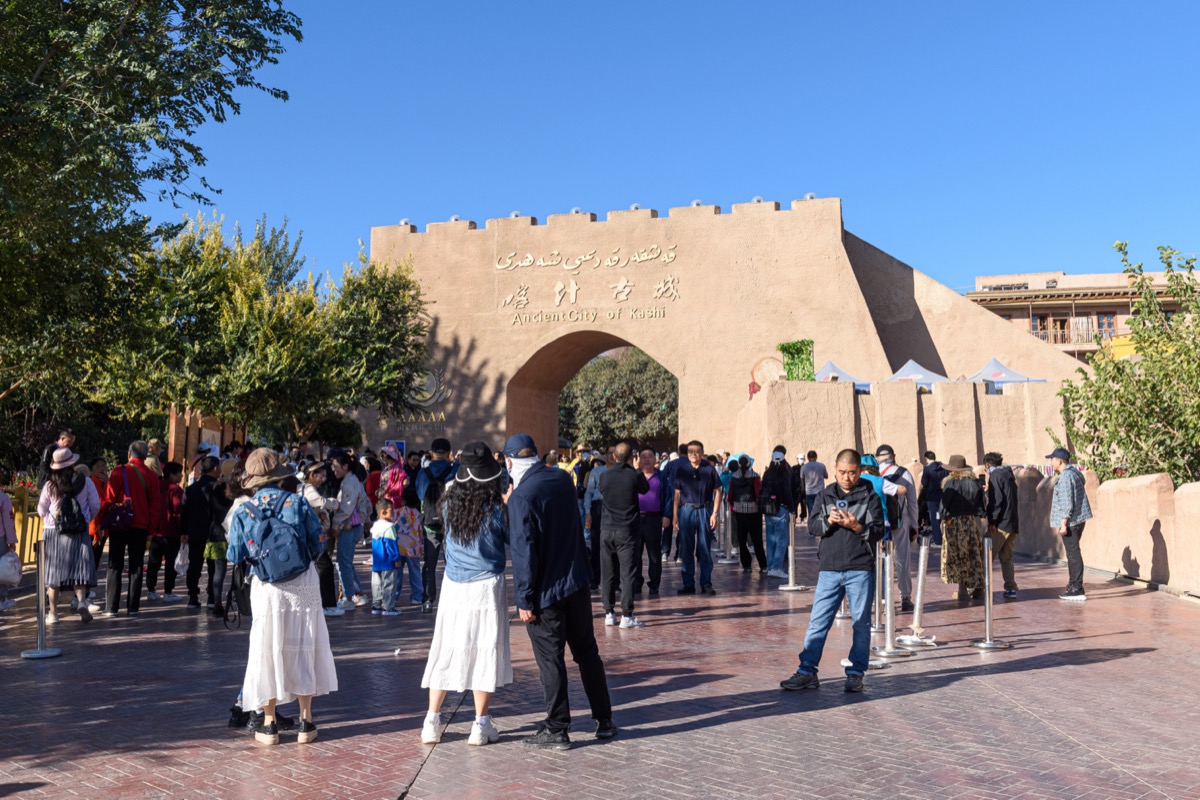
| 6 | Kashgar | flight from Yining (via Urumqi) | Old Town sunset wander |
| 7–8 | Kashgar | bus to Tashkurgan | Pamir Plateau, Karakul Lake |
| 9–10 | Urumqi | flight | buffer days, shopping, depart |
The Tashkurgan leg needs a border permit and a shared 4×4 from Kashgar — that is the one stretch where you genuinely cannot go fully independent, and a guesthouse-arranged car is the norm, not a failure of the no-car plan.
Tips that actually saved me
A few habits turned a stressful trip into a smooth one. Travel off-peak: the difference between a calm Tuesday train and a holiday-week scramble is the difference between a trip and an ordeal. Download offline maps before you lose signal in the basins. Keep your passport on you every single day — hotels, trains, and random checks all want it. And sort your payment method early; a working WeChat Pay or Alipay turns ticket desks and Didi from obstacles into afterthoughts.
Where you’ll still need a ride
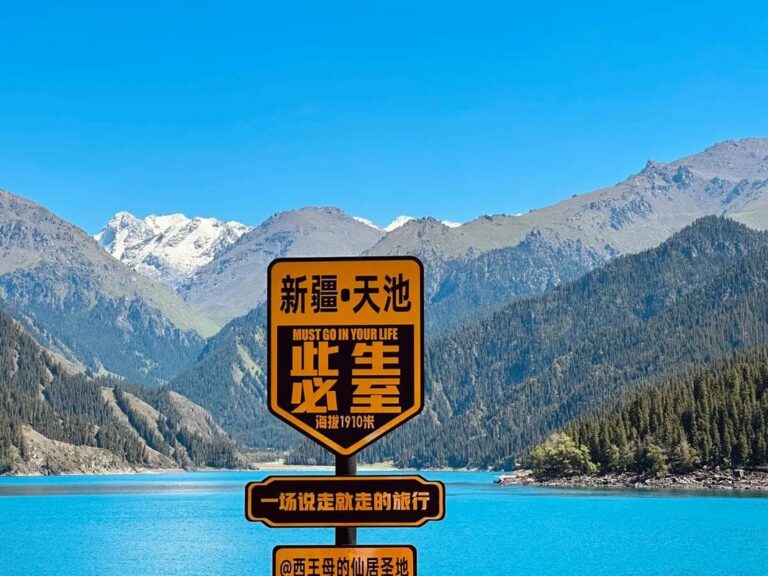
Be honest about the gaps. Scenic spots like Sayram Lake, the Duku Highway viewpoints, Kanas, and Hemu are not on any city bus route; you reach them by chartered car, tour shuttle, or the seasonal park buses. Budget for these as a separate line item and book them through your hotel. For the places you sleep between transfers, the where to stay in Xinjiang guide breaks down which neighborhoods sit on a bus or train line versus which need a pickup.
Frequently Asked Questions
Is the train network reliable enough to plan around?
Yes, for the main corridors. Urumqi–Turpan and Urumqi–Yining run multiple times daily and are punctual. The long southern line to Kashgar is reliable but slow, so most visitors fly that leg and train the shorter ones.
Can I use foreign cards on 12306?
Often no. The app frequently rejects overseas cards. Your safest bet is buying at a station counter with your passport, or letting a hotel or Chinese friend pay via WeChat and reimbursing them in cash.
Are regional flights expensive?
Wildly seasonal. Shoulder months (April, May, September) are cheap; National Day week and summer peak double or triple. Set a price alert and book early for October especially.
Do I need Chinese to ride buses?
Enough to read digits and your destination characters helps, but guesthouses will write the station and route on paper for you. At the station, match the bay number on the board; staff will point you aboard if you show your ticket.
Is it safe to travel Xinjiang without a car at night?
Stations and buses operate in daylight for the long routes. Plan arrivals before dark, especially in remote counties. City transport (Didi, buses) runs late and is fine.
Can two people travel the region cheaply without a car?
Easily. Trains and buses are per-seat, so the cost does not scale with group size the way a rental does. A no-car week for two in the north can stay under 1,000 RMB in transport, with flights the only major variable.