Getting Around Xinjiang Without a Car: Trains, Buses, Flights and City Transport
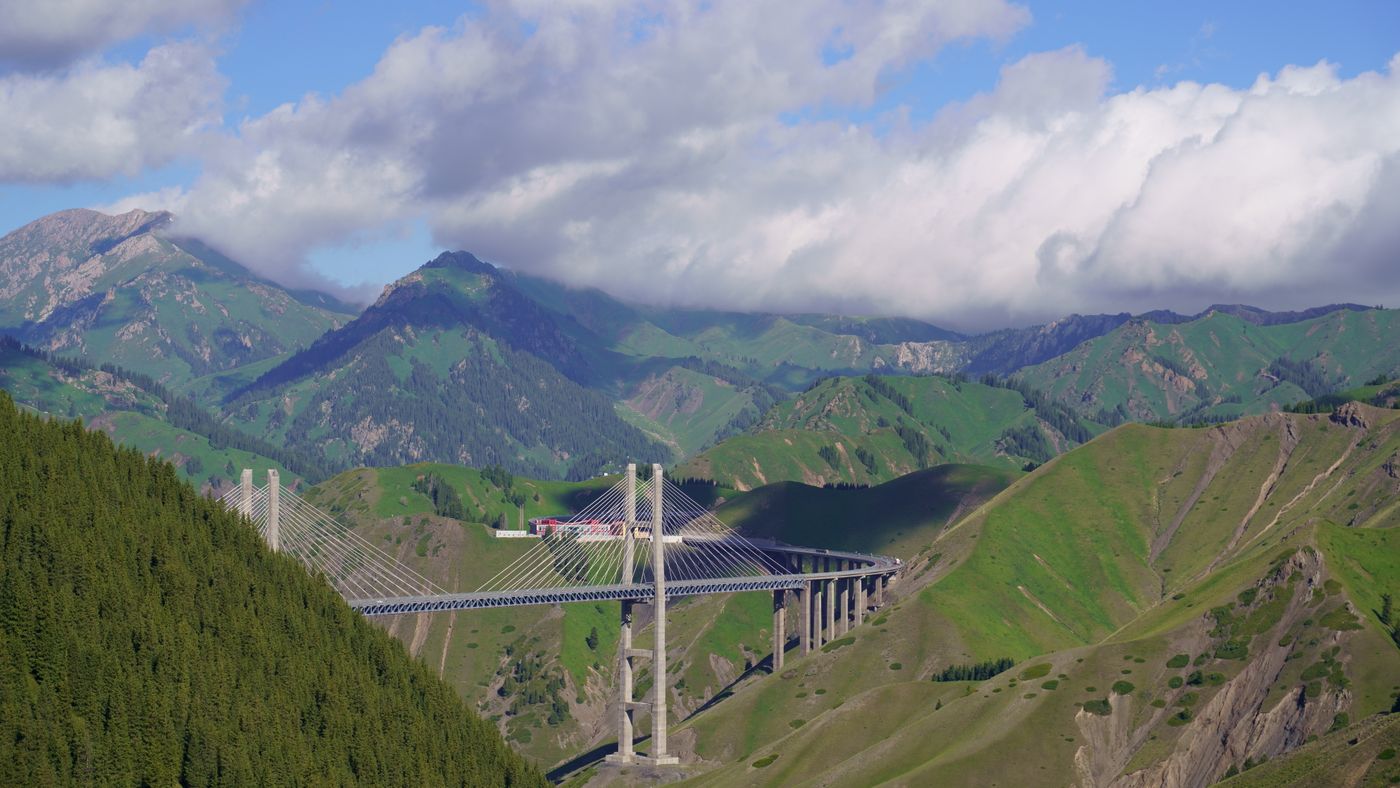
Before my first trip to Xinjiang I assumed I had to rent a car or join a tour. The map is huge — the region is larger than many countries — and the famous drives like the Duku Highway look irresistible. But after three trips I have learned you can see most of the headline sights without touching a steering wheel, and often more cheaply and with far less stress. This is the practical playbook I wish I had been handed on day one.
Why Skip the Self-Drive?
Renting a car in Xinjiang is entirely possible, but it comes with friction: you need a Chinese driving licence or an officially translated permit that most agencies will not accept, parking at scenic areas is often awkward, and the long desert highways are monotonous for a solo driver. Public transport here is faster, cheaper, and lets you work, sleep, or watch the landscape instead of white-knuckling the wheel. If you travel in winter when some mountain passes close, trains and flights are also the more reliable choice.
Cost is the part that surprises people. A self-drive trip means a daily rental fee, fuel across enormous distances (Urumqi to Kashgar is roughly 1,500 km), tolls, and parking — easily ¥600–900 a day before you have eaten. A hard-seat or sleeper train between the same cities costs a fraction of that, and a Didi across town is a few yuan. For solo travellers and couples, public transport is almost always cheaper; it only flips in favour of driving once you have four people and a rigid itinerary.
Trains: The Backbone of Long-Distance Travel
Xinjiang’s rail network is genuinely good. The Lanzhou–Xinjiang high-speed line links Urumqi with the rest of China in a single day, and within the region fast trains connect Urumqi, Turpan, Hami, Korla, and Kashgar. The ride from Urumqi to Kashgar is long — around 24 hours on the regular train, or quicker on seasonal services — but the sleeper compartments are comfortable and the window views across the edge of the Taklamakan are unforgettable.
Booking on 12306
The official app is 12306. Foreign travellers can now register with a passport, though the app is Chinese-only and occasionally glitchy with foreign passport numbers. A simpler route is to book through a hotel concierge or a licensed ticket agent in any city, who adds a small fee but spares you the headache. Either way, buy sleeper tickets early in summer and on national holidays — they sell out fast. For a full walkthrough of routes and booking tricks, see our Xinjiang train travel guide.
Lines Worth Knowing
| Route | Approx. time | Notes |
|---|---|---|
| Urumqi – Turpan | 1–1.5 hrs | Frequent fast trains; easy day trip |
| Urumqi – Kashgar | 22–26 hrs | Sleeper; book ahead in peak season |
| Urumqi – Hami | 2.5–3 hrs | Gateway to the eastern deserts |
| Kashgar – Hotan | 4–5 hrs | Scenic southern Tarim route |
Long-Distance Buses and Intercity Coaches
For towns the trains do not reach — small county seats, grassland entrances, and mountain trailheads — long-distance buses fill the gap. Every prefecture city has a bus station (qiche zhan) with departures to nearby counties. Schedules are loose and announcements are in Chinese, so arrive early, confirm the destination in characters on your phone, and keep small cash. Buses are cheap and a great way to meet locals, but they stop often and rarely have toilets onboard, so travel light and use the restroom at every stop.
Flights: When Distance Beats Time
Xinjiang has more than twenty airports, and our airport transfer guide covers the arrivals-to-hotel leg. Flying saves enormous time between far corners: a two-hour hop from Urumqi to Kashgar spares you a full day on the train, and tiny airports at places like Tumxuk or Ruoqiang open up corners few tourists reach. Fares are reasonable if booked ahead, and the aerial views of the Tianshan and the desert ribs are a trip highlight on their own.
| City pair | Flight time | Best for |
|---|---|---|
| Urumqi – Kashgar | ~2 hrs | Saving a day of travel |
| Urumqi – Ili (Yining) | ~1 hr | Grassland trips in the west |
| Urumqi – Altay | ~1.5 hrs | Winter snow and Kanas access |
Getting Around Inside a City
Urumqi has a clean metro and an extensive bus network; Didi (the Chinese Uber) works in every major city and is cheap and safe — just set your destination by pin or in characters, since drivers rarely speak English. In smaller towns, metered taxis and the ubiquitous electric tricycles cover short hops. Walking is the best way to feel a place like Kashgar’s Old Town, where cars barely fit anyway.
In Urumqi, grab a rechargeable public-transport card or just tap a bank card or phone at the gate — the metro is spotless, bilingual on signage, and reaches the airport, the south station, and most hotels. City buses are slower but cost almost nothing and are a fine way to watch daily life. Shared bikes and e-bikes are everywhere in the warmer months; download the local app or use the bike option inside Alipay’s mini-program if you want to pedal along the river park. For the first and last mile in remote counties, the electric tricycle (sanlun) is the local workhorse — agree the price before you get on, as meters are rare.
Day Tours and the “No-Car” Workaround for Scenic Areas
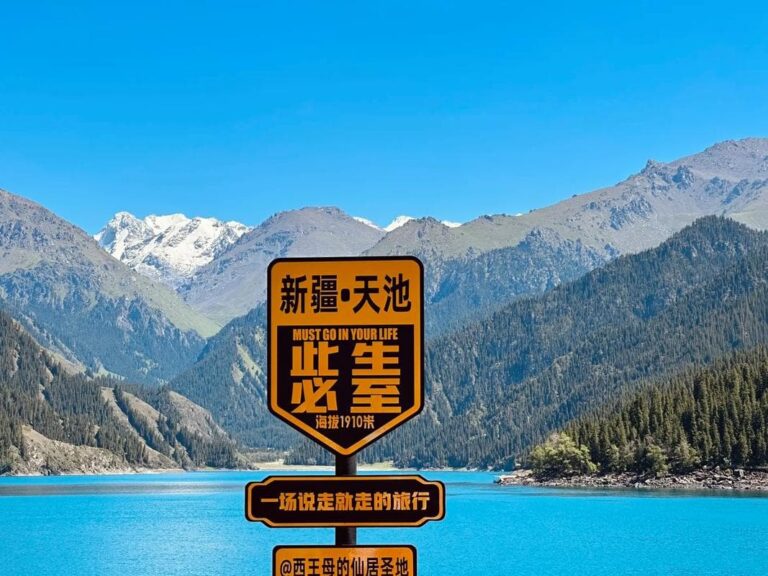
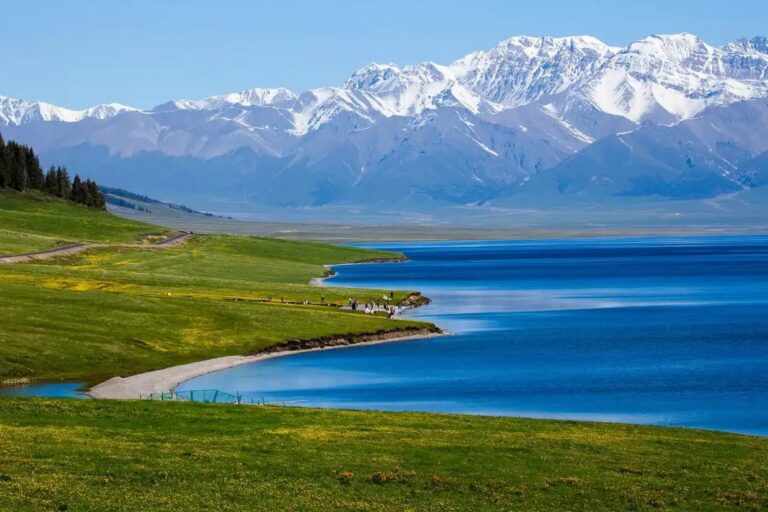
Here is the secret: most headline attractions run their own shuttle buses from the nearest town. Kanas, Sayram Lake, Nalati, and Tianchi all have park buses included or bookable with your ticket, so you ride in from the gate without driving. For places where public transport is thin, join a one-day group tour from the county seat — they are inexpensive and remove the logistics burden. Time your visit with our best time to visit Xinjiang guide to avoid the crowds that make shuttles fill up.
Scenic Drives You Can Still Do — As a Passenger
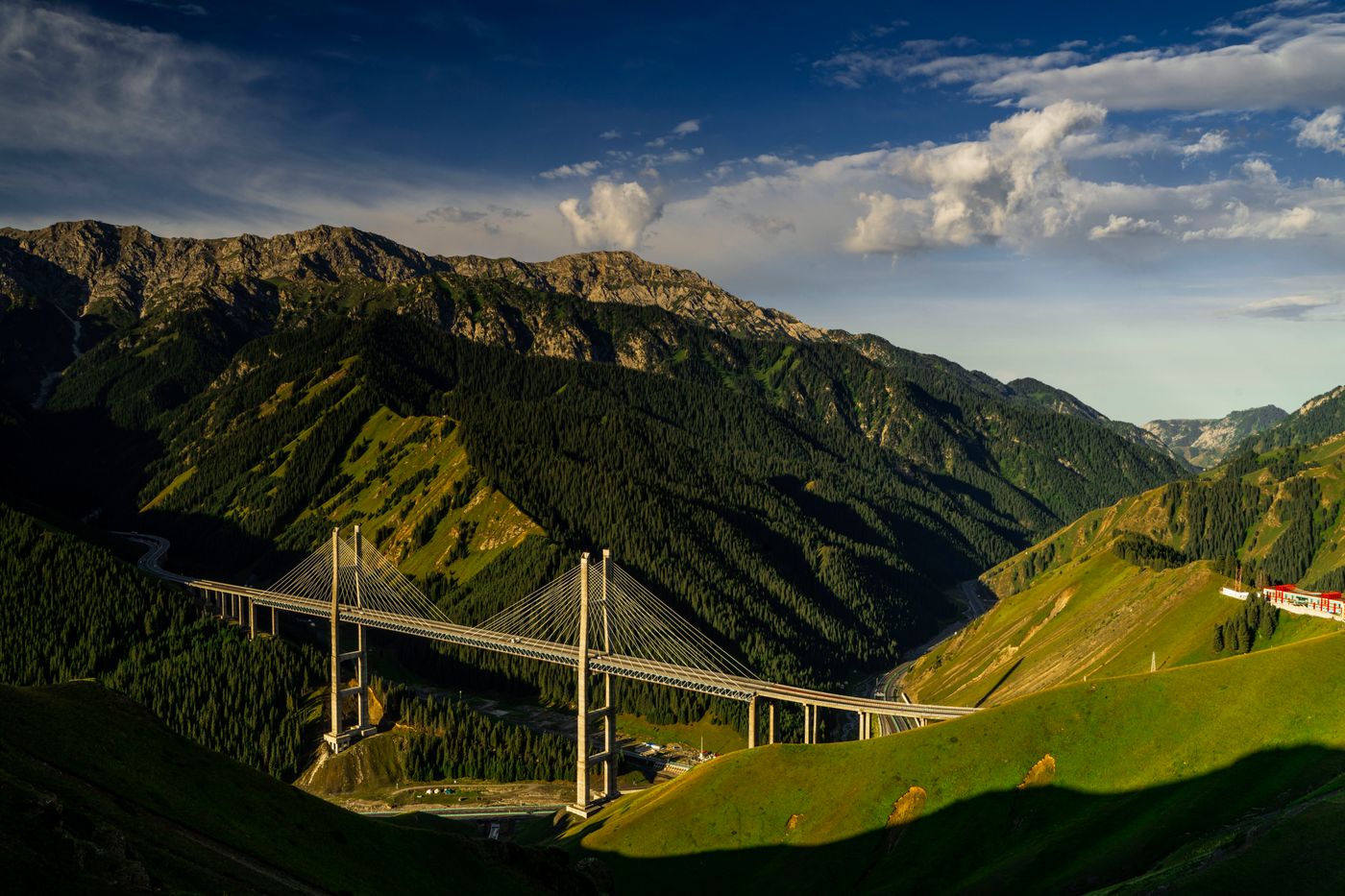
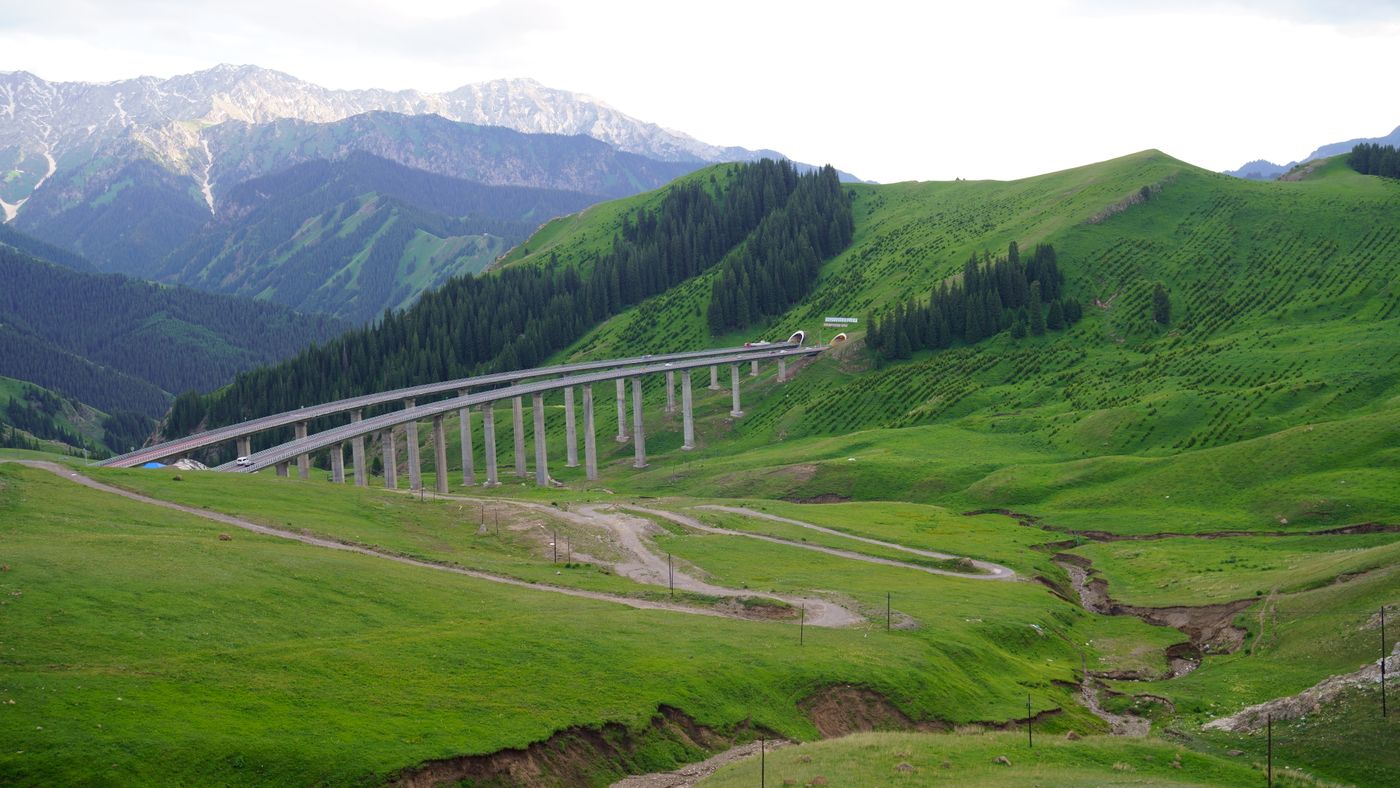
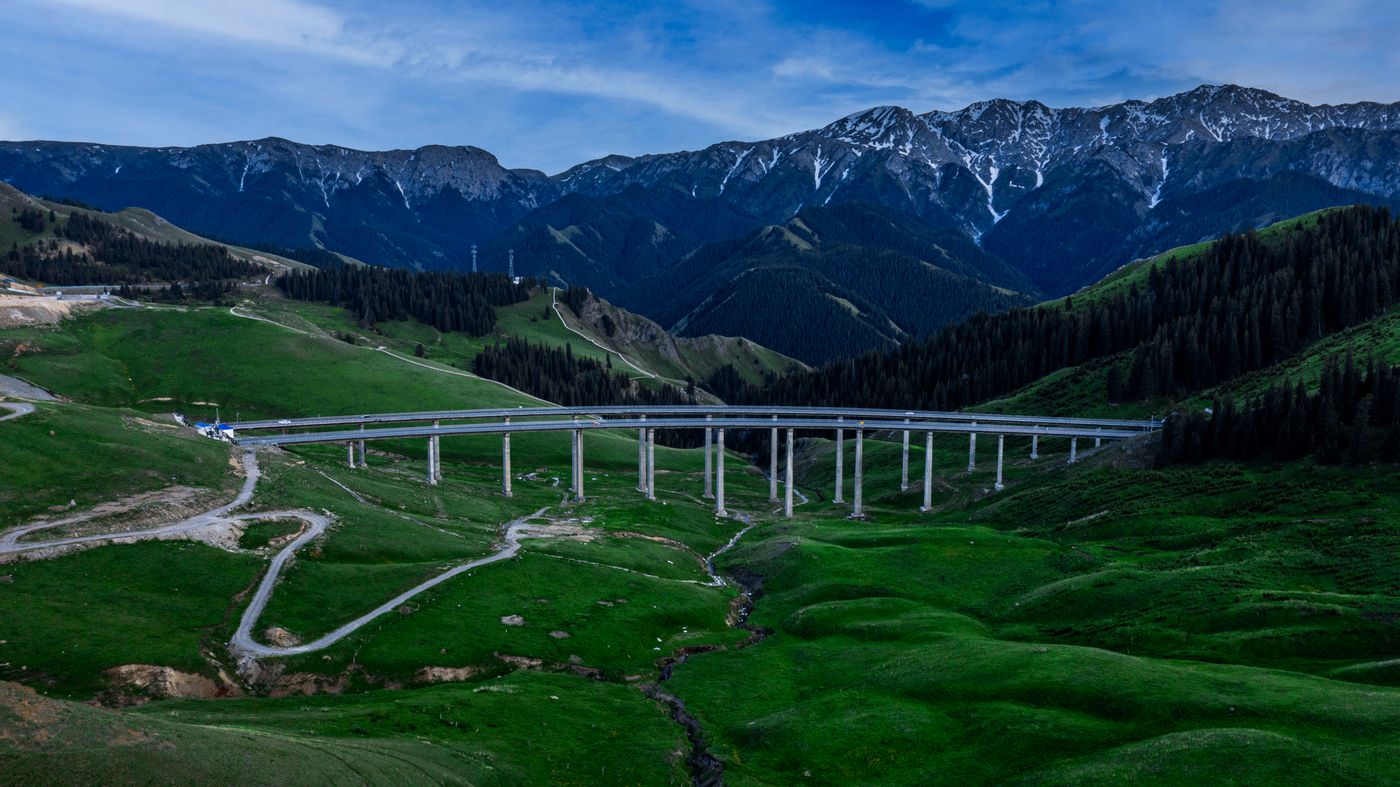
Skipping the steering wheel does not mean missing the legendary roads. The Duku Highway, which climbs from the deserts of Dushanzi over the Tianshan to the grasslands near Bayinbuluk, is one of Asia’s great drives — and you can ride it on an organised shuttle or a small-group tour that handles the permit and the white-knuckle curves for you. The Tarim Desert Highway and the southern loop toward Hotan are similarly doable as a hired-car day trip from a county base. The trick is to book these as a “car plus driver” experience rather than a self-drive rental: you get the views, the photo stops, and none of the licence headaches.
Mixing modes in one trip
The most efficient car-free routes combine a long train or flight to a region with local tours at the far end. Fly Urumqi to Yining, then take a grassland shuttle into Nalati; train to Kashgar, then join a Pamir day tour with a driver. This keeps your in-transit time low and your on-the-ground time high, which is exactly what a short holiday needs.
A Sample Car-Free Week in the North
| Day | Base | Move by |
|---|---|---|
| 1–2 | Urumqi | Metro, bus, walking |
| 3 | Turpan | Fast train + local bus |
| 4–5 | Yining / Ili | Flight + grassland shuttle |
| 6–7 | Kashgar | Flight + Old Town on foot |
Frequently Asked Questions
Can a foreign tourist rent a car in Xinjiang?
Not easily. You need a Chinese licence or an accepted translation, and most agencies will not rent to short-term visitors. Trains, buses, and tours are the realistic options.
Is the 12306 app usable without Chinese?
It is possible with a passport, but the interface is Chinese-only. Many travellers book through hotel staff or a local ticket agent to avoid the friction.
Are scenic areas reachable without driving?
Almost all major ones run shuttle buses from the gate, and county-seat day tours cover the rest. You rarely need your own vehicle.
How do I pay for buses and taxis?
WeChat Pay and Alipay cover Didi and most city buses; long-distance coaches often prefer cash, so keep small notes handy.
Is it safe to travel alone on public transport?
Yes. Trains and buses are heavily used and secure. Keep your passport handy for the ID checks you will meet near border regions.