Autumn in Xinjiang: The Golden Season Travel Guide (September–November)
A research-based autumn in Xinjiang guide: Kanas, poplar forests, golden larch, costs, and a timed 5-day north Xinjiang itinerary.

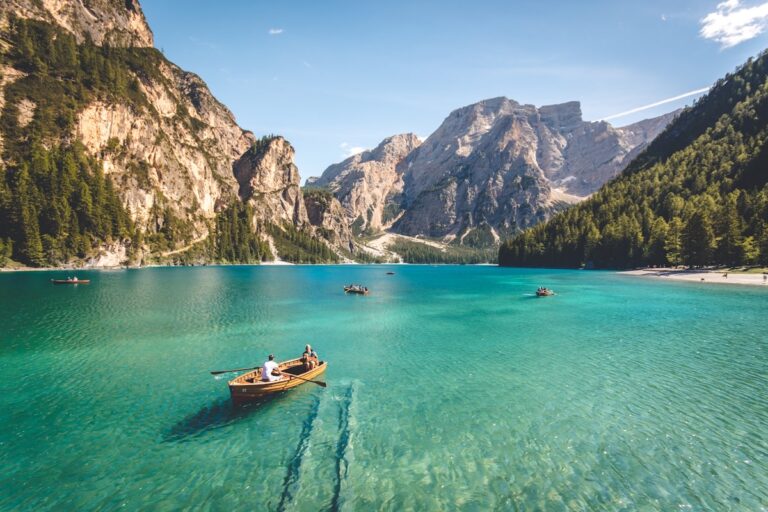
A research-based autumn in Xinjiang guide: Kanas, poplar forests, golden larch, costs, and a timed 5-day north Xinjiang itinerary.

A research-based spring in Xinjiang guide: apricot blooms, melting snow, costs, and a timed 3-day itinerary for the shoulder season.

The Xinjiang Gobi forms the arid northern and eastern margins of China’s largest region, where stony desert pavements meet the sand seas of the Tarim Basin. This article is a compiled reference rather than a personal travelogue, and the research basis below explains exactly where the information comes from. Research Basis & Scope of This…
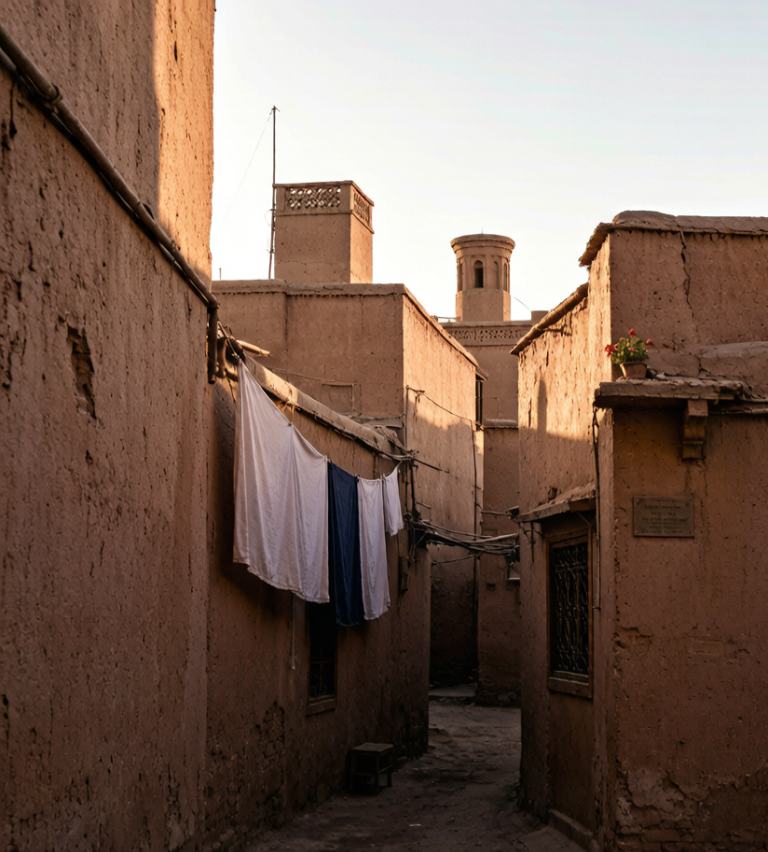
You do not need a tour to enjoy Kashgar’s old town. Here is a walking approach that finds the lanes, the rooftops, and the daily life that staged shows miss.

Most visitors cannot easily extend a China visa inside Xinjiang, but nearby consulates and border runs matter for overlanders. Here is the realistic picture, with no false hope.

You do not need Uyghur to travel Xinjiang, but a handful of words opens doors. Here are the phrases that actually came up on my trips, with how to use them.

The classic overland rail approach to Xinjiang runs through Lanzhou and Xining. Here is how the corridors work, how long they take, and why Xining is the smarter hinge.

If you are staying a week or more, a short-term apartment can beat a hotel. Here is how the rental market works for foreigners, what it costs, and the pitfalls.
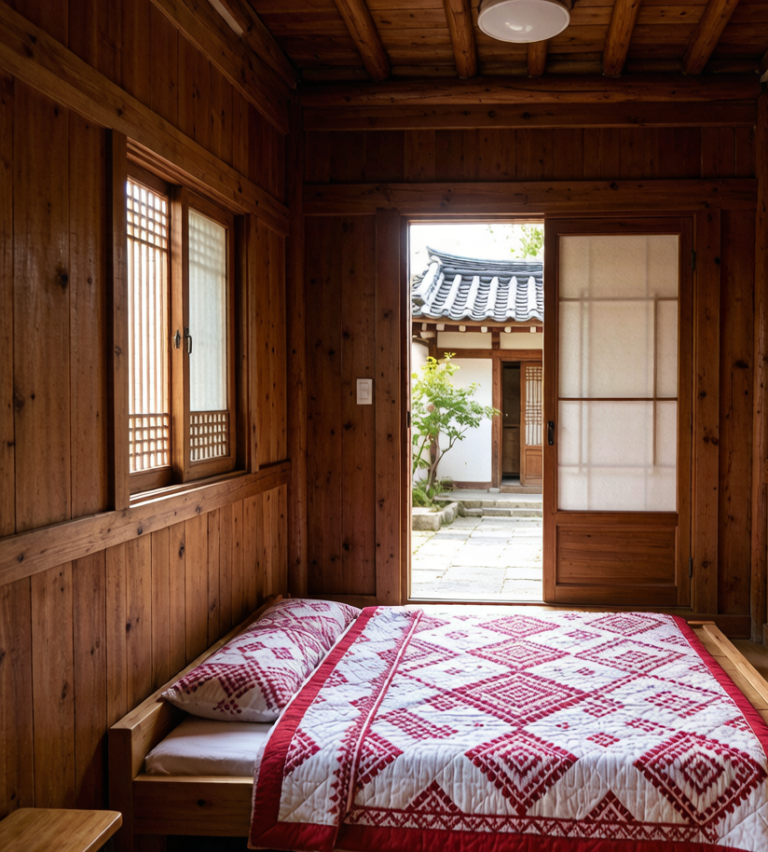
Outside the cities, Xinjiang’s memorable sleeps are village guesthouses and farmstays. Here is how they work, what you get, and how to book without a platform.

Hostels exist in Xinjiang’s bigger cities but they are different from Bangkok or Berlin. Here is what to expect, where they help, and where they fall short for a road trip.