Village Guesthouses in Xinjiang: Sleeping Where People Actually Live
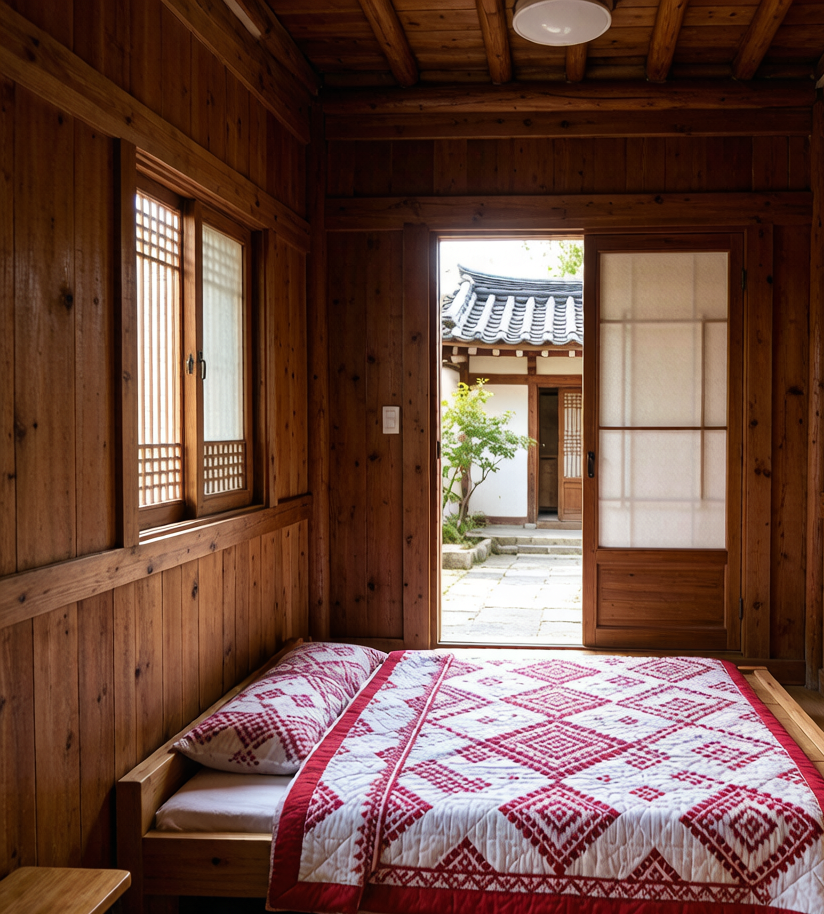
My favorite bed in Xinjiang was not in a hotel. It was a wooden platform in a village house outside the tourist belt, with a family next door who fed me more than I could eat. That is the promise of the village guesthouse, and it is real, though it takes a little figuring out.
What a village guesthouse is
These are usually a family home with one or two spare rooms, sometimes a purpose-built wing. They sit in farming villages, near grasslands, or on the edge of a town like Kashgar’s outskirts. The appeal is not luxury. It is waking up somewhere that is still alive instead of staged for visitors. I have paid less for a night in one of these than for a coffee back home.
How to find and book one
Many are not on the big booking sites, or they are listed under a parent hotel. Word of mouth and the recommendations of Uyghur homestay hosts matter more than an app. In practice I often arrive, ask at a teahouse or a shop, and someone walks me to a relative’s spare room. It is informal, and the informality is the point.
What you get and what you don’t
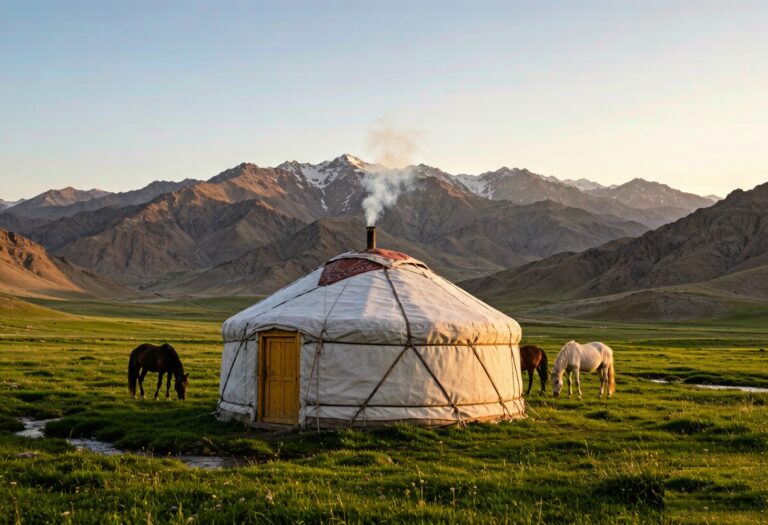
Expect a clean room, a heavy quilt, and a breakfast you did not order but will remember. Do not expect heating that matches a city hotel in deep winter, or a staff member who speaks your language. The yurt stays nearby share the same honesty: basic, warm, unforgettable.
The registration catch
Foreign guests still need to be registered with the local police, and not every village house can do it. I check this before I commit to a multi-night stay, because a lovely room you have to leave by noon is a problem. Pair any plan with the foreigner booking rules so you are not surprised.
A village guesthouse will not show up in most guides, which is why it is worth the effort. The staged experiences are fine. The real ones are better.
The mistake I made the first time
I assumed two hours would be plenty. It was, in the sense that I saw everything, and it was ruined in the sense that I saw everything at the same hour with the same crowd, and I spent the drive home meaning to come back and never did. What I would tell the version of me who planned it: put the slow hours in, not the fast ones. The whole point of coming this far is to have the place to yourself for a while, and that only happens if you are willing to be there when it opens or when it is nearly shut. I did come back the following trip, at seven in the morning, and it was a different site.
The other mistake is about distance on the map. The gate is not the site. There is a shuttle, a walk, sometimes another shuttle, and the stretch everybody underestimates is between the second gate and the thing you crossed the country to see. That is the number of hours the visit needs. So: work out how far it is from where the vehicle drops you to the feature, then double it.
More on the other end of that day is in our [[xinjiang-tuyoq-village-turpan|Tuyoq Village: A Living Silk Road…]].
What goes in the day pack
Cards work at the gate and in the shops, but the stalls on the approach road and the drivers waiting at the turnoff want cash, and coming up short at the moment you want a lift is the classic way to lose an hour. Sunscreen and a brim. The light here is serious and the shade is intermittent, so the sunscreen goes on before you leave the hotel, not at the gate. A wind shell.
A fleece covers most of the year, a real jacket covers shoulder season. The temperature drops fast once you stop moving and the drop is not hypothetical on an exposed pass. Water, more than you think, a power bank and some cash. The evening version of that plan is in our [[how-to-go-to-xinjiang|How to Get to Xinjiang: Entry Requirements…]].
What the morning looks like
The part that stays with me is the morning. You wake to a kettle already singing, someone already at the stove, and breakfast appearing without a menu or a bill. In one village house the grandmother pressed a boiled egg into my hand and pointed at the window, where the light was hitting the orchard in a way she clearly thought I should see. That is the whole appeal, and it is also the whole risk: you are in someone’s life, not a product. Be a decent guest, ask before you photograph, and the stay repays you in ways a hotel receipt never will.
Cost and payment
Prices are modest, often less than a budget hotel, but they are negotiable and rarely listed, so ask in person and pay in cash more often than not. I have paid by scanning a local app when the host had one, and by counting out notes when they did not. Do not expect a receipt or a contract; the arrangement is trust, which is why a personal introduction helps. If a place quotes a number that feels high for the area, smile and walk, because another will appear. The best stays found me through a teahouse conversation, not a search, and the price was always fair when the connection was real. Keep expectations modest and the experience exceeds them every time.