Xinjiang Pilaf (Polo): The One-Pot Rice Every Traveler Should Try
Xinjiang pilaf (polo) is the region’s comfort-food staple — oil-cooked rice with lamb, carrot and raisin. What it is, how it’s made, and where to eat it.


Xinjiang pilaf (polo) is the region’s comfort-food staple — oil-cooked rice with lamb, carrot and raisin. What it is, how it’s made, and where to eat it.

How vegetarians eat well in Xinjiang: which dishes are meat-free, how halal differs from vegetarian, and the phrases that get you a veg plate at any stall.

How to choose, price, and pack Xinjiang’s famous dried fruits and nuts — from Turpan raisins to Hotan walnuts — without getting fooled at the bazaar.

From Hotan walnuts to Ili almonds, nuts are Xinjiang’s best road snack. Where to buy, what to pay, and how locals actually eat them.
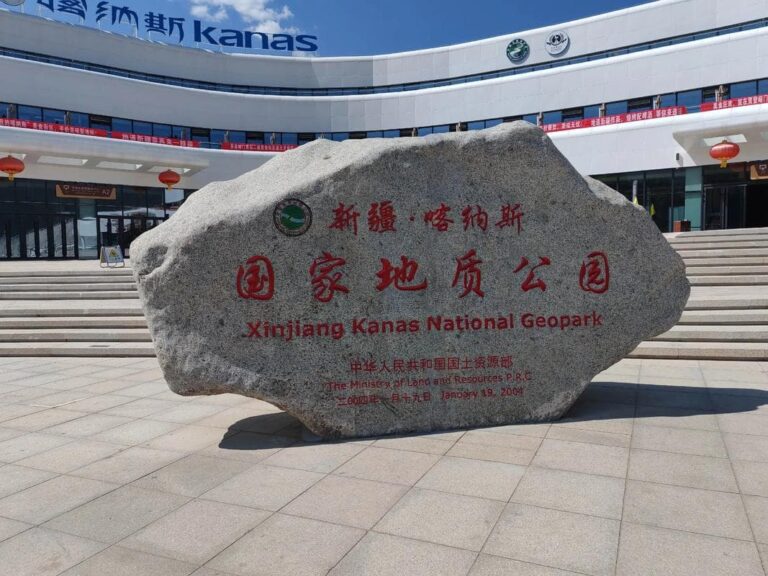
Xinjiang kiwi from the Tianshan foothills is sweet, local, and cheap in autumn. Where to buy it, when it ripens, and how to eat it on the road.
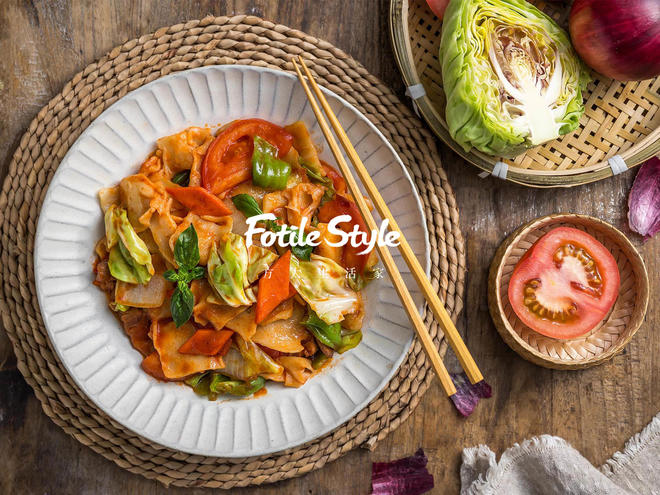
Xinjiang camel milk (chaan): where to drink it, fresh vs powdered, nutrition, and how to buy and carry it home from the desert.

From Kanas lake trout to Tarim river carp, Xinjiang grilled fish (balik kawap) is a coal-charred staple. Where to eat it, how it’s spiced, and what to order.
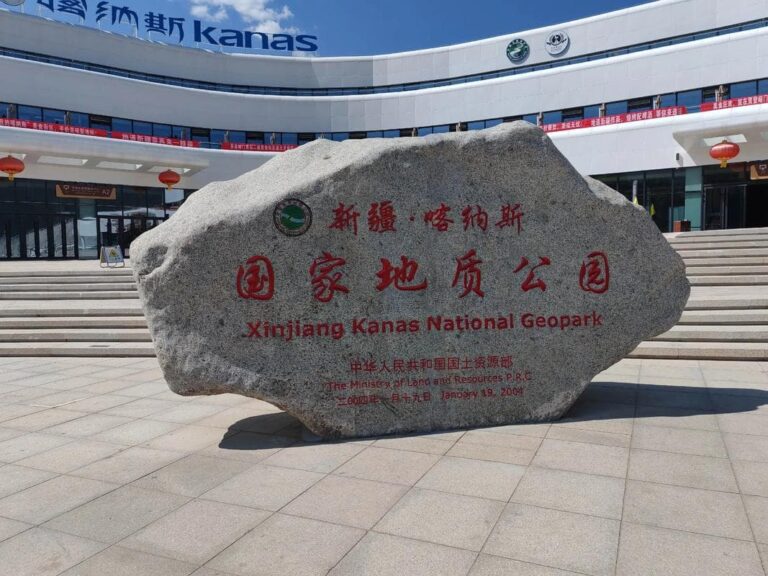
Beyond yoghurt and koumiss, Xinjiang makes hard, smoked, and dried cheeses you will not find elsewhere in China. Here is what to try and where to buy it.

Beshbarmak is Xinjiang’s Kazakh boiled-meat-and-noodle feast. Where to eat it, how it’s served, and the etiquette of the five-finger banquet.
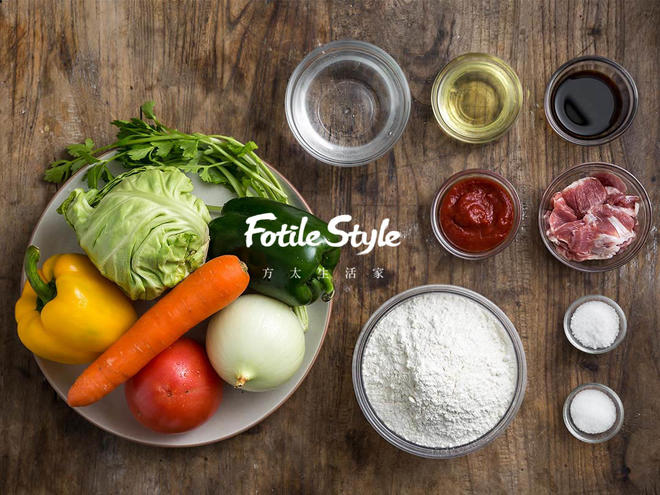
Xinjiang shorpa is a clear, restorative mutton-and-vegetable soup. Learn what goes in it, how it is made, regional twists, and where to order the best bowl.