Xinjiang Off the Beaten Path: Quiet Places Worth the Extra Hour
After a few trips to Xinjiang I realized the postcard sights, Kanas, Sayram, the Kashgar Old City, are unmissable but also crowded by mid-morning. The trips I remember best are the ones where I took the unmarked turn, stayed an extra night, or asked a driver ‘what do locals do on their day off.’ This guide collects the quieter corners I have found, places that reward the extra hour of driving with empty viewpoints and real encounters. None require special permits beyond the standard regional paperwork, and all are reachable on a normal self-drive or bus route if you time them right.
How I Define ‘Off the Beaten Path’ Here
These are not secret locations, just under-visited ones: spots within an hour of a famous name that most tour buses skip, or towns where the attraction is daily life rather than a ticket gate. The payoff is twofold: you avoid the worst of the peak-season crowds, and you meet Xinjiang as residents live it. Bring patience and a loose schedule, because the best of these places has no opening hours.
Six Quiet Places Worth the Detour
| Place | Region | Best season | Why go |
|---|---|---|---|
| Koktokay (Keketuohai) | Altai | Sep-Oct | Granite canyons and autumn birch, far calmer than Kanas |
| Baisha Lake | Pamir | May-Sep | Turquoise water against white sandstone, minimal footfall |
| Qiaojia (Muzart) valleys | Ili | Jun-Aug | Alpine meadows without the Nalati crowds |
| Taxkorgan villages | Pamir | Jun-Sep | Tajik stone homes and eagle culture, slow pace |
| Kumtag desert edge | Turpan | Apr-May, Sep-Oct | Dunes you can walk to from town, no entry queue |
| Morning wet market, Yining | Ili | Year-round, mornings | Real trade life, zero tourists at 7 a.m. |
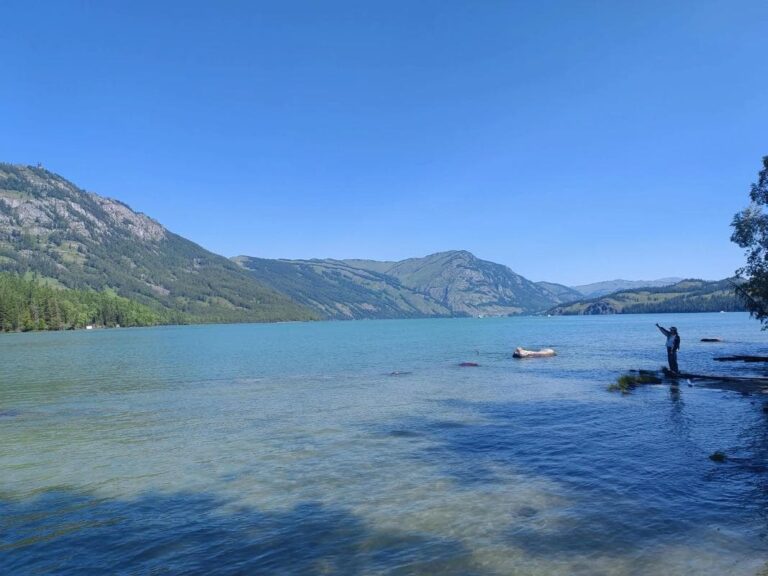
Each of these sits near a marquee destination, which is the trick: base yourself at the famous spot, then peel off early before the coaches arrive. I reached Baisha Lake at first light and had the shore to myself for an hour before a single car passed.
Altai’s Calmer Cousin: Koktokay
Everyone races to Kanas and Hemu, but Koktokay, a few hours south, offers granite gorges, a cold emerald river, and birch forest that turns gold in October with a fraction of the visitors. The hiking is gentle, the photography is superb, and the nearby mining-town-turned-park has a strange, photogenic industrial history. Go in late September and you may have whole trails to yourself while Kanas is bumper to bumper.
Logistics
Buses run from Urumqi and Altay, and the park has its own shuttle. Stay in the nearby town rather than inside the park to keep costs down and eat where locals eat. Mornings are cold even in September, so layer up and arrive at the gorge gate at opening.
The Pamir Without the Crowds: Baisha and the Villages
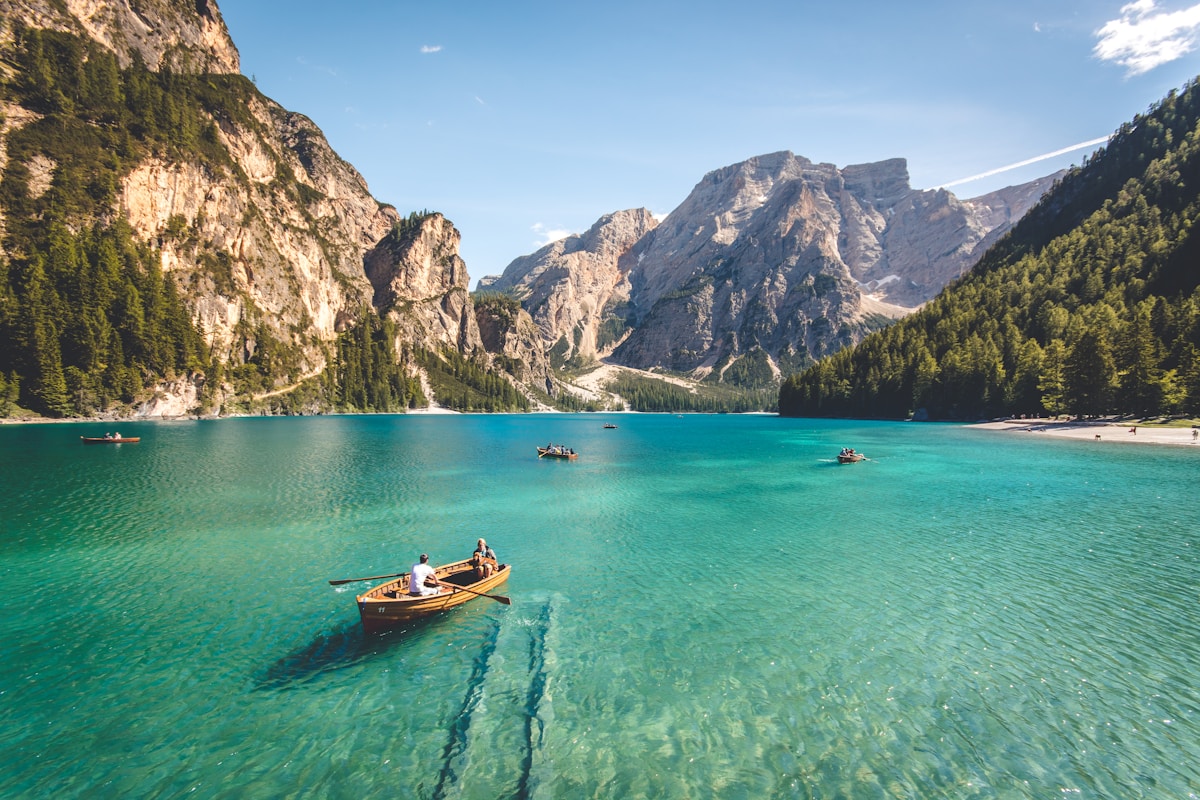
The Karakul Lake stop is packed with tour buses, but Baisha Lake, a short drive toward Tashkurgan, is often empty and arguably more striking, a pale white mountain range dropping into still blue water. Beyond Tashkurgan, the stone-and-wood Tajik villages along the valley are places to simply sit, watch shepherds, and learn a little about a culture that gets little attention. Respect is everything here: ask before photographing homes, and a wave plus a ‘rahmet’ opens more doors than a camera ever will.
Health and logistics note
The Pamir sits high, so acclimatize in Kashgar first and read up on staying healthy at altitude before pushing deeper. Fuel and cash thin out past Tashkurgan, so top up both in the last real town.
Ili’s Secret Meadows and Markets
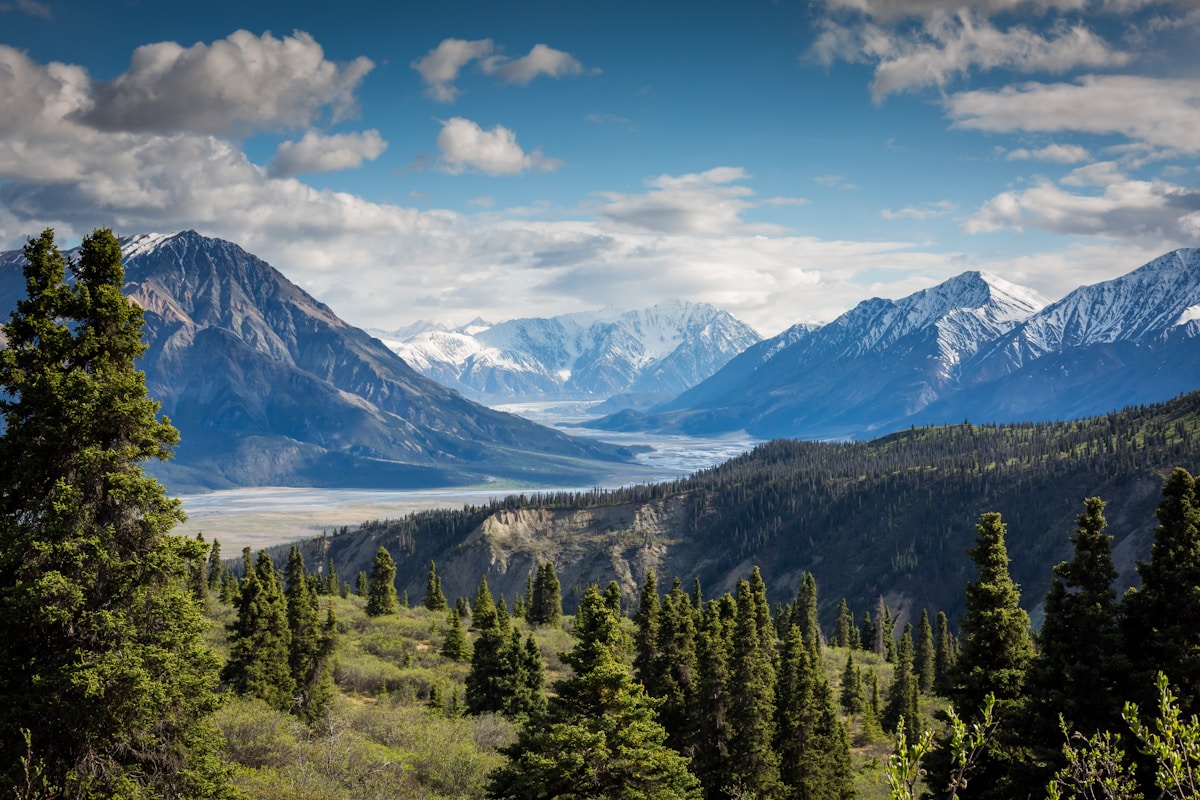
Nalati and Kalajun are glorious but busy in July and August. The side valleys of the Muzart and the unmarked meadows between Yining and Zhaosu hold the same wildflowers and yurts with almost no one in them, if you are willing to ask a local which dirt road to take. And do not sleep on Yining’s morning wet market: by 7 a.m. it is a roar of vendors, knife-sharpeners, and horse-cart traffic, and not a tour group in sight. It is the most honest window into Ili life I have found.
Desert Within Walking Distance: Kumtag
Turpan’s Kumtag desert borders the town of Shanshan, so you can walk from a noodle shop to a dune field in twenty minutes, no ticketed desert park required. Go at golden hour when the sand cools and the light goes long, and you get the Taklamakan feeling without the two-day drive. It is also one of the safest introductions to desert walking because help and water are never far, and the sunset over the town’s mud-brick rooftops from the dune crest is worth the short climb.
A Method, Not Just a List
The deeper skill is behavioral: sleep in the destination, not the gateway; move at the edges of the day; and treat every local ‘you should see my village’ as an invitation, not small talk. Some of my best mornings came from a casual suggestion at a bazaar that turned into a ride to a place no guidebook names. A herder once waved me off the main road, pointed up a nameless valley, and I spent the afternoon alone among wild irises while his sheep grazed. Keep your season planning loose enough to say yes, because the unplanned hour is usually the one you remember.
Frequently Asked Questions
Do these places need special permits?
None of the spots above require more than the standard Xinjiang regional entry, which foreign visitors already handle on arrival. The Pamir near Tashkurgan is the only one where border-zone rules tighten, so carry your passport and stay on the main road. Always confirm current rules at your hotel, because they shift.
Is it safe to go where the buses don’t?
In general yes; the region is calm and rural crime is low, but remoteness brings its own risks: no signal, no fuel, and long gaps between help. Tell someone your route, carry water and a warm layer, and avoid driving empty desert roads after dark. The safety overview covers the basics well, and I have yet to meet a local who minded a traveler asking where the nearest help might be.
When is the quietest time to visit?
Shoulder seasons, late April to May and September to early October, beat both the summer crowds and the winter closures. Avoid the week of major holidays entirely; even the lesser-known stops fill up when the whole country is traveling.
Can I do these without a car?
Partly. Koktokay, Turpan’s Kumtag, and Yining’s market are all reachable by bus or on foot from town. The Pamir villages and Ili side valleys are far easier with a driver or rental, because public transport thins out past the main towns. Hiring a local driver for a day is the economical compromise.
Will I miss the famous sights if I go off-path?
No, because most of these sit next to the headliners. Use the famous spot as your base and explore the quiet edge around it; you get both the icon and the intimacy. Trying to replace Kanas with Koktokay entirely would be a mistake, but pairing them is the upgrade.
How do I find these places without a guidebook?
Ask. Hotel owners, taxi drivers, and market vendors are the best source, and a few Mandarin phrases go a long way toward getting a straight answer. Map apps show the roads; locals tell you which ones are worth the dust.
Final Thought
Xinjiang’s headline sights earn their reputation, but the region’s scale means there is always an empty viewpoint an hour away. Trade one crowded afternoon for one quiet morning and you will understand the place far better than any ticket queue allows. The map is full; the crowds are not.