Xinjiang Night Markets & Bazaars: A Traveller’s Eating Guide
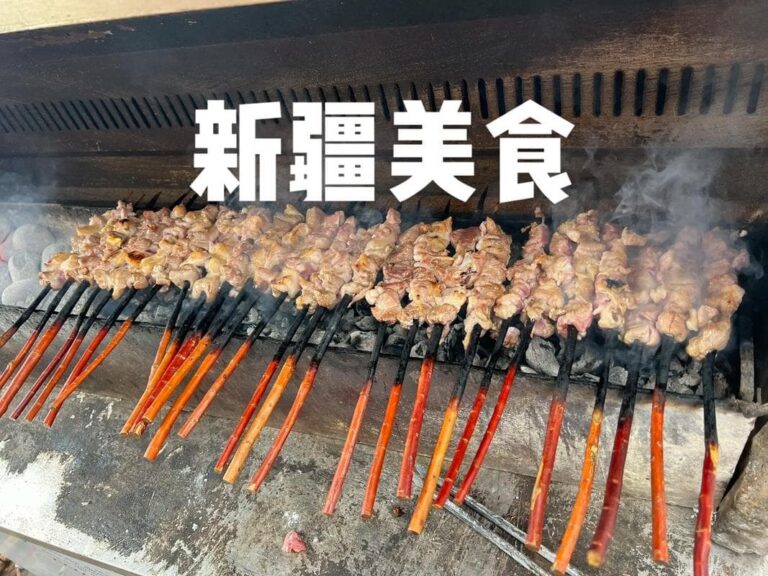
The best meal I ate in Xinjiang last year cost me 38 yuan and came off a smoky grill at 10 p.m. in Kashgar. Night markets — called ye shi — are where the region’s food culture comes alive after dark, when the heat drops and the stalls fire up. If you only eat in hotel restaurants, you miss half the point of travelling here. This guide covers the markets worth your evening in four cities, plus the ordering and etiquette habits that make the experience smooth. I have eaten my way through these bazaars on repeat visits, and the pattern below is the one I now trust.
Why Xinjiang Night Markets Are Different
Unlike a single-food night market elsewhere, a Xinjiang bazaar by night is a crossroads of Uyghur, Han, Kazakh and Hui cooking stacked side by side. In one aisle you can grab lamb skewers, in the next hand-pulled noodles, and two steps later a cup of sour-sweet yogurt with jam. The pace is social: people stroll, graze, and sit on plastic stools nursing tea until late. It is also where prices stay honest and portions stay small, so you can taste ten things in a single evening without a hotel bill.
The Four Markets I Keep Returning To
| City | Market / area | Best for | Rough price range | Vibe |
|---|---|---|---|---|
| Urumqi | Erdaoqiao / International Bazaar night row | Skewers, naan, dried fruit | 5–40 yuan/item | Bright, tourist-friendly |
| Kashgar | Old City outer lanes & People’s East Rd | Kawap, pigeon noodles, jam yogurt | 3–35 yuan/item | Atmospheric, local |
| Yining (Ili) | Liuxingjie night street | Grilled fish, naan wraps, ice cream | 6–45 yuan/item | Relaxed, green-city feel |
| Turpan | Night bazaar near the main square | Grapes, raisins, roast buns | 4–30 yuan/item | Small, seasonal |
What to Eat (and What to Point At)
You do not need much Mandarin, but a few words unlock everything. kawap (skewers), naan (bread), laghman (noodles), süt (milk/yogurt). Pointing at a neighbor’s plate and smiling works even better. For a fuller picture of regional dishes, my Urumqi food map lists where specific stalls cluster, which saves a lot of wandering on a first night.
Ordering without stress
Most stalls price per stick or per piece; glance at the posted menu or watch what others pay. Carry small bills and WeChat/Alipay ready — many night stalls are cash-light now. If a vendor weighs something (grapes, nuts), confirm the price per jin (500 g) before they bag it. A quick “duoshao qian?” (how much?) with a smile clears up any confusion faster than guessing.
Dishes that earn the queue
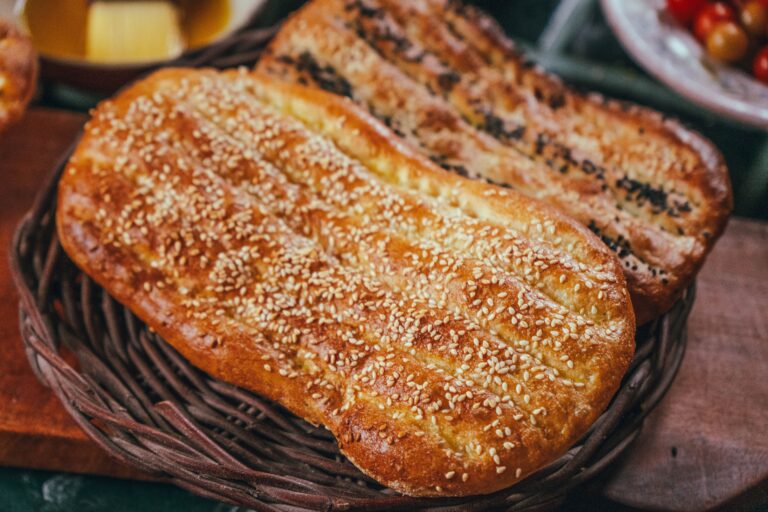
In Kashgar I always do the pigeon-noodle soup (kempir style) and a stack of chili skewers. In Urumqi the roasted buns (samsa) straight from the roadside oven beat anything plated. Yining’s grilled Ili river fish is a sleeper hit. None of these exist in quite the same form during the day.

City-by-City: What I Actually Order
The four markets above share a format, but the food accents differ enough that a one-size order misses the point. Here is what I make a beeline for in each.
Urumqi
At the International Bazaar row I start with a stack of cumin-salt kawap and a still-warm naan, then circle back for dapanji if I’m with a group. The dried-fruit stalls here are the best-quality and best-priced in the region — I buy raisins and apricot kernels to snack on for the rest of the trip. It is the most tourist-readable market, so it is also where I relax the “only busy stalls” rule slightly.
Kashgar
Kashgar is my favourite. In the Old City lanes I hunt for pigeon-noodle soup (a local specialty you rarely see elsewhere), then graze lamb skewers and finish with süt — milk yogurt dressed with sugary jam and a float of ice. The People’s East Road strip stays loud and good until midnight. Portions are small and cheap, so ordering five or six different things for two people is normal and smart.
Yining (Ili)
Ili’s night street leans greener and wetter — grilled river fish, herb-heavy naan wraps, and a local ice cream that surprises first-timers with how creamy it is. The crowd is relaxed and the city’s tree-lined squares make lingering easy. I treat Yining as the place to slow down and try the Kazakh-leaning dishes that thin out further south.
Turpan
Turpan’s market is small and seasonal, but the grapes are the point. In late summer I buy seedless wujiaobai grapes by the kilo and the raisins by the bag, plus roast buns from a roadside oven. Come off-season and the row shrinks to a few stalls, so I time a Turpan night visit for July–September.
Etiquette That Locals Appreciate
Xinjiang bazaars are friendly but culturally grounded. Don’t photograph a vendor’s food without a quick nod of permission; don’t bring pork or alcohol into a clearly halal stall row; and when offered tea, accept — refusing can read as dismissive. If you sit at a shared table, a small greeting goes a long way. For more on the food scene by city, the Kashgar food guide is a good companion read.
Timing and Practical Tips
Markets ramp up around 8–9 p.m. and peak near 10–11 p.m. in summer. Go hungry but not ravenous, bring hand sanitizer, and wear shoes you don’t mind getting dusty. In winter many outdoor rows shrink — check locally before making a special trip. I also keep the first night in a new city light: a walk-through of the market to scout stalls, then a real meal the second night once I know which queues move.
What I skip
I pass on unlabeled pre-cut fruit in the sun, loose cream from open bowls, and any grilled item that has clearly been sitting under a heat lamp for an hour. None are guaranteed trouble, but they are the usual suspects, and the market always has a safer hot alternative a few steps away. The goal is to graze widely without gambling.
Timing it right
Spring and early summer
Urumqi’s International Bazaar night row is the easiest intro: well-lit, signposted, and packed with the classics. Kashgar’s Old City lanes are more atmospheric if you want the “real” version and don’t mind fewer English menus.
May through October, when evenings are warm and stalls run late. Summer is liveliest; spring and autumn are pleasant and less crowded.
Summer
Generally yes. Choose hot, freshly cooked items from busy stalls, avoid room-temperature prepared food in summer heat, and you will be fine. Grilled skewers and oven breads are the safest bets.
Autumn
A satisfying graze runs 40–80 yuan per person if you share several dishes across stalls. Add drinks and dried-fruit souvenirs and 100–150 yuan is comfortable.
Winter
Mobile pay (WeChat/Alipay) dominates, but cash is accepted almost everywhere and useful at tiny stalls. Foreign cards rarely scan at small vendors, so carry some yuan.
4
Most Uyghur, Hui, Kazakh and Kyrgyz stalls are halal; some Han-run stalls may serve pork — watch signage. The night bazaar rows in the old cities are overwhelmingly halal.