Xinjiang Tea Houses: Where the Silk Road Slows Down for a Cup
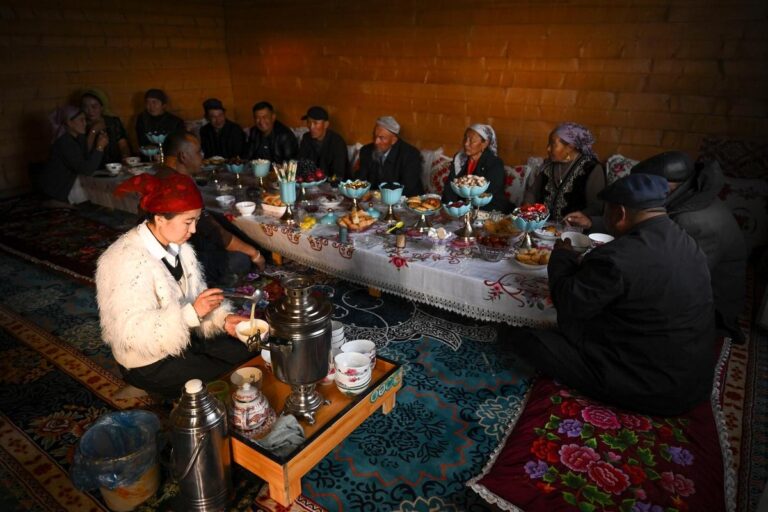
The first time I really understood Xinjiang, it was not at a famous lake or a mountain pass. It was on a low wooden platform in a tea house in the old town of Kashgar, a glass of milky salted tea in one hand and a bowl of walnuts in the other, watching the afternoon light slide across the mud-brick walls. Tea houses here are not cafes you rush through. They are the slow heart of the Silk Road, places where business, friendship, and simply passing the time all happen over the same small cup. If you want to feel the region rather than just photograph it, sit down in one and stay longer than feels comfortable.
Why Tea Matters So Much in Xinjiang
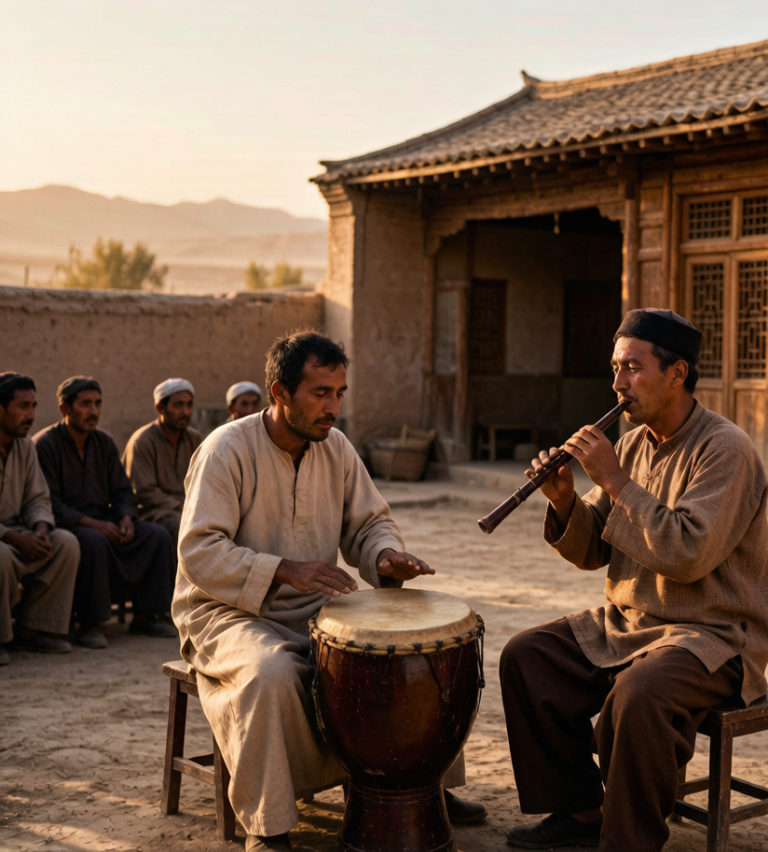
Xinjiang sits at the crossroads of every old trade route between China, Central Asia, and the Middle East. For more than a thousand years, caravans stopped here to rest, and tea was the cheapest, warmest comfort available after weeks on the road. That habit hardened into culture. Today nearly every town has at least one chaykhana — a tea house — and in the biggest bazaars you will find whole rows of them, men playing the dutar and rawap while copper pots steam behind the counter.
The two drinks you will meet most are black brick tea (served plain, often with sugar or a few dried apricots) and salted milk tea. The milk tea is the one travelers remember: a heavy, savory brew made with brick-tea concentrate, whole milk, a pinch of salt, and sometimes a knob of butter. It is nothing like sweet bubble tea and everything like a meal in a cup. You can read more about it in our guide to Xinjiang milk tea and nai cha, which explains how the same drink changes from valley to valley.
The Three Kinds of Tea Houses You’ll Find
Not all tea houses are the same. Knowing the difference saves you from walking into the wrong one and feeling out of place, and helps you pick the experience you actually came for.
Neighborhood Tea Houses
These are the oldest, often a simple room with a long raised platform, worn cushions, and a single dented samovar in the corner. They open early, around 8 or 9 a.m., and fill with retired locals who come to talk, read the paper, or just watch the street go by. Prices are tiny — two to five yuan a glass — and nobody expects you to leave. I have spent entire mornings here and felt less like a customer than a guest who simply had not been invited yet.
Bazaar Tea Stalls
In markets like Kashgar’s Sunday bazaar or the alleys of any county town, tea stalls sit right beside the bread ovens. Vendors drink between sales; travelers are welcome to join the bench. This is where tea doubles as a bargaining break, a place to sit with a seller after you have both decided the price is close enough. The tea is usually stronger and the company louder.
Modern Tea Cafes
Urumqi and the newer parts of big cities now have stylish teahouses with printed menus, Western desserts, and reliable Wi-Fi. They are comfortable but less of a cultural window. Good for a rest day or a rainy afternoon, not for the real thing. Think of them as the coffee-shop version of a tradition that is far older and rougher elsewhere.
| Type | Typical cost (per glass) | Best time to go | Atmosphere |
|---|---|---|---|
| Neighborhood tea house | ¥2–5 | 9–11 a.m. | Quiet, local, traditional |
| Bazaar tea stall | ¥3–8 | Market hours | Lively, noisy, social |
| Modern tea cafe | ¥20–45 | Afternoon | Comfortable, tourist-friendly |

How to Order and What to Expect
Walk in, pick a spot on the platform, and say “bir chay” (one tea) or simply point at what someone else is drinking. You will usually get a glass and a small plate of something to nibble — walnuts, raisins, or roasted melon seeds. Refills are often free and always offered. Nobody rushes you. I once sat in the same Kashgar tea house for three hours and was charged the price of two cups and a smile.
Etiquette That Locals Appreciate
- Don’t put your feet up on the platform where people sit; it is a seat, not a footrest.
- Accept the refill — refusing repeatedly can read as rude, even if you are full.
- If an elder pours for you, hold your glass with both hands for a moment.
- Photographing people? Ask first with a smile; a nod is usually yes, a wave usually no.
- Leave the platform as tidy as you found it; these rooms double as someone’s living room.
A Typical Tea-House Morning
If you want the full experience, arrive when the house opens. Order black tea, watch the first regulars shuffle in, and let the noise build slowly. By mid-morning there is usually music — a man with a long-necked dutar singing in a language you do not speak but somehow understand. Order a second glass, this time the milk tea, and notice how the salt settles the tiredness of travel. This is the version of Xinjiang that does not make it into postcards, and it is the one I remember best.
Best Cities for a Tea-House Afternoon
Kashgar is the undisputed capital of the tradition, especially inside and around the Old City, where tea rooms cluster near the Id Kah Mosque and the handicraft lanes. Hotan has wonderful sleepy tea rooms on the edge of the jade market, perfect for a cool drink after hours of haggling. Yining blends Kazakh and Hui tea customs, so you may get milk tea with a side of fried dough, eaten with your fingers. Even Urumqi hides a few old rooms behind its modern face if you wander off the main avenues and look up at the second floors.
For context on where these tea houses sit inside the old-town layout, see our Kashgar Old City travel guide — the tea rooms are easy to find once you know which lane to turn down, and the walk there is half the fun.

When things do not go to plan
If this happens: Xinjiang milk tea very salty
Properly made, it is only lightly salted — more soothing than savory. If it tastes too strong, ask for “shirin chay” (sweet tea) or one with less salt. The tourist-facing cafes often tone it down already, while the old houses keep it traditional.
When it goes sideways: Tea houses safe and comfortable
Yes. Neighborhood tea houses are public, well-lit, and family-friendly. Sit near the front if you prefer more visibility. The only caution is the same as anywhere: keep your bag close in crowded bazaar stalls where pickpockets occasionally work the benches.
If you run into this: Needing to tip in a tea house
No. Tipping is not expected anywhere in this setting. The best thanks is to come back the next morning, or to buy a brick of the tea they sell by the counter to take home.
On the ground: Bringing my own food
Generally not necessary — tea houses serve their own snacks and the neighboring bakeries sell fresh bread. In neighborhood houses you can often buy naan from a nearby stall and eat it there, but it is polite to ask the owner first.
If this happens: Time do tea houses close
Most traditional ones wind down by 8 or 9 p.m., when the late crowd drifts to modern cafes. Plan your tea ritual for the daytime or early evening so you are not the last guest the owner has to shoo out.
When it goes sideways: Anyone mind if i don’t speak the language
Not at all. A smile and a pointing finger at someone’s glass is a universal order form here. Most owners are delighted that a visitor wandered in, and the tea does the rest of the conversation.