Xinjiang Scenic Ticket Prices: A Real-World Guide to What You’ll Pay
The first time I budgeted a Xinjiang trip I priced the hotels and trains and forgot the one cost that quietly ate a third of my daily spend: entrance fees. Xinjiang’s scenic areas are vast, often state-run, and priced for a domestic market that assumes you will stay a while. Knowing the real ticket numbers before you go changes which sites you pick and how many days you give them. Here is what I have actually paid, region by region, across three trips and a lot of shuttle buses.
How the Pricing Works
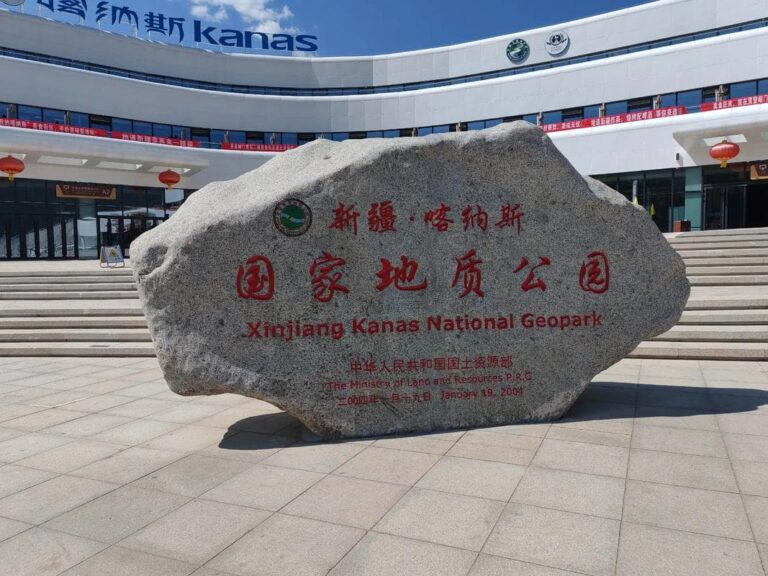
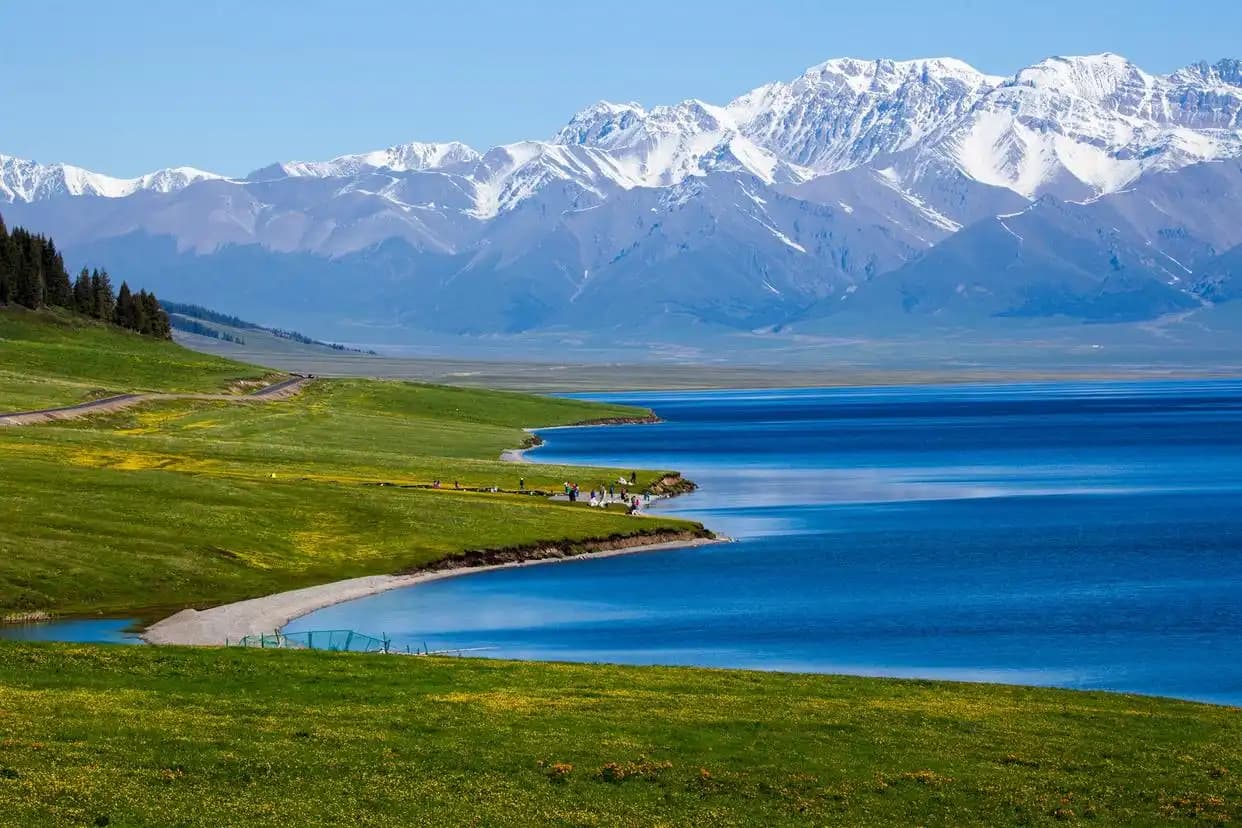
Most major sites charge a gate ticket plus, frequently, a separate shuttle or scenic-bus fee — and the bus is not optional, because the parking lot sits kilometers from the view. Kanas, Sayram, and Nalati all bundle a mandatory shuttle you cannot skip by walking, because private cars are barred from the core scenic road. Budget the combined number, not the headline gate price, or your “cheap” day at Kanas quietly becomes the most expensive one of the trip.
| Scenic area | Gate ticket (peak) | Shuttle / bus | Effective total |
|---|---|---|---|
| Kanas Lake | ¥185 | ¥70 (mandatory) | ¥255 |
| Sayram Lake | ¥70 (self-drive) / ¥145 | included in ring road | ¥70–145 |
| Nalati Grassland | ¥95 | ¥60 (valley shuttle) | ¥155 |
| Heavenly Lake (Tianchi) | ¥105 | ¥60 (cable car optional) | ¥165 |
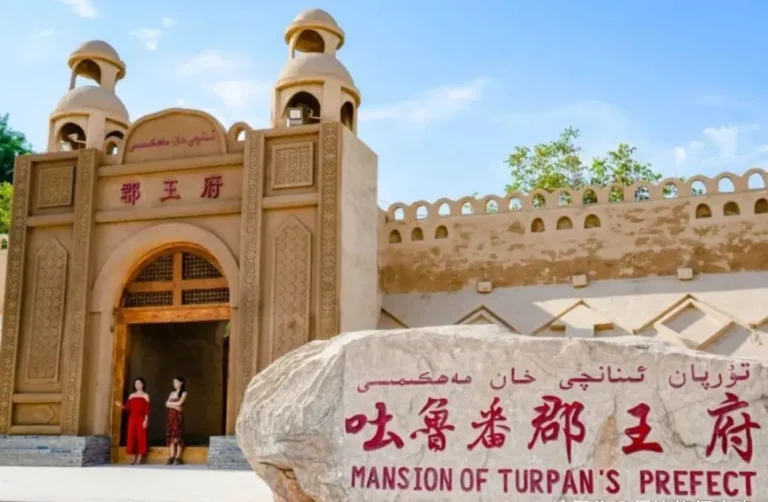
| Turpan Karez / Jiaohe | ¥40–70 each | minor | ¥40–70 |
Peak vs Off-Season Swings
Xinjiang runs a clear high season (roughly May–October) and a low season (November–April) with real price drops — often 30–50% off the gate at places like Kanas and Tianchi. The catch is that some shuttles and lodges close in deep winter, so a cheap ticket can mean a shut site and a frozen boardwalk. Time your visit using the season-by-season breakdown before you chase a discount, and weigh the saving against what will actually be open when you arrive.
Where to Buy — and What Not to Do
| Channel | Pros | Cons |
|---|---|---|
| Official WeChat mini-program | Real price, QR entry | Chinese interface, real-name |
| Onsite window | Cash accepted | Queues at peak, sold-out risk |
| Hotel / driver bundle | Convenient | Markup, verify face value |
| Third-party resellers | English | Scams exist — avoid street touts |
Discounts You Can Actually Use
Children under 1.2 m, seniors over 65 with ID, and sometimes students with an ISIC card get reduced or free entry at state sites — but you must show physical ID at the window; the app will not auto-apply it, and a photo on your phone is often refused. Military and disabled passes are honored. Do not assume your foreign student card works; carry the international ISIC, because the local clerk may not recognize a university card from home.
The Combo-Pass Math
Some regions sell a multi-day or multi-site pass that beats single tickets if you are staying two nights. Kanas, for example, offers a 2-day ticket that is cheaper than two 1-day entries once you add the shuttle. If your itinerary chains northern lakes, the multi-day pass pays for itself, and it also spares you the morning queue on day two. Ask at the window specifically for the “two-day” or “joint” ticket — staff do not always volunteer it.
Hidden Costs Travelers Miss
Beyond the gate and shuttle, watch for parking fees at self-drive sites, photo spots that charge a few yuan for a platform, and insurance kiosks at the shuttle door that are optional despite the push. None of these are large, but they add up across a ten-day loop and explain why my “ticket” column ran higher than the brochure promised. Build a 10% buffer on top of the table above and you will not be caught short at a remote window that takes cash only.
Budgeting a 10-Day Ticket Plan
A realistic northern-and-southern loop — Urumqi, Tianchi, Turpan, Kanas, Sayram, Nalati, and Kashgar’s old town — ran me about ¥900–1,100 in fees across the trip, shuttles included, at peak season. Off-season that dropped near ¥600. Treat tickets as a fixed daily line item, not a surprise, and the region’s size stops feeling like a tax and starts feeling like the point: you are paying to stand somewhere the size of a country.
Payment Methods at the Gate
Cash still rules at remote windows, but the official mini-program and most city gates take Alipay and WeChat Pay, and an increasing number accept foreign cards through the app. I carry a mix: enough yuan for the small sites, a linked Alipay tourist wallet for the big ones, and a card as backup. The trap is the “bundle” sold by drivers and hotels — it is convenient but rarely cheaper than the official price, so I check the face value against the table above before I pay and walk away from any deal I cannot verify on the spot. Buying direct also means the refund, if weather hits, comes back to me and not to a reseller I will never see again.
When Tickets Get Refunded or Closed
Weather closures are real in the mountains: a snowed-in Duku spur or a wind-locked Tianchi boat means the shuttle may not run even though you paid. Most official channels refund the shuttle portion or honor the ticket the next day, but third-party resellers are inconsistent, which is another reason to buy direct. I treat a bad-weather day as a refund opportunity, not a loss, and keep the e-receipt screenshot until I am physically out of the region, because a claim filed from the airport lobby is easier than one filed from home a month later when the memory has faded.
City vs Wilderness: Two Different Price Worlds
Urumqi, Turpan, and Kashgar old town are cheap to enter — often free to walk, with paid museums in the ¥30–45 range — while the wilderness parks (Kanas, Sayram, Nalati, Tianchi) carry the heavy gate-plus-shuttle totals in the table. A smart budget pairs a couple of paid wilderness days with free city wandering, so the average per day stays near the ¥90–120 mark instead of spiking every single day. I plan the paid sites first, when energy and light are best, and let the free old-town strolls absorb the slack days, which also happens to be the better rhythm for the legs.
Budgets in figures
| Item | What it costs | Note |
|---|---|---|
| shuttle buses really mandatory | varies | At Kanas, Sayram, and Nalati, yes — private cars are barred from the core scenic road and the shuttle is the only way in. Budget it as part of the ticket, not an extra you can skip. |
| prices change year to year | varies | Gate prices are fairly stable but shuttle and combo rules shift; the numbers above are 2025–2026 typical and worth confirming at booking, especially the Kanas 2-day rule. |
| there a day when scenic areas are free | varies | A few sites run free or half-price promotions on obscure local “tourism days,” but they are unpredictable and crowded. Do not plan a trip around them or assume the discount applies to the shuttle. |
| pre-book in summer | varies | Entrance fees will not make or break your trip, but they shape it: the mandatory shuttles, the season swings, and the sold-out summer caps all reward a traveler who prices the real total up front. Do that, and the sites you choose will fit both your route and your budget instead of blowing a hole in it. |
The numbers above are what I paid on my own trips; add roughly a fifth for a private car and driver if you are travelling with someone else. Anything marked roughly is a bazaar price in high season, and it moves with demand.