Uyghur Hospitality & Dining Etiquette in Xinjiang: A Traveler’s Guide to the Table
The first time I was invited into a Uyghur home in the old city of Kashgar, I barely made it through the door before a bowl of hot Xinjiang milk tea was pressed into my hands and a thick round of naan was broken in front of me. Nobody asked if I was hungry. Hospitality in Xinjiang is not a courtesy you opt into; it is the operating system of daily life, especially across the Uyghur, Kazakh, Kyrgyz, and Hui communities that make the region’s food culture so rich.
If you are planning a trip and want to do more than eat well, you should understand the unwritten rules of the table. This guide is built from my own meals shared on floors, low tables, and yurt rugs from Kashgar to the Ili Valley — what to do, what to avoid, and how to show respect without overthinking it.
How Guests Are Received
When you enter a home or a yurt, remove your shoes if you see others have. Step over, never on, the threshold. The seat of honor is usually against the wall farthest from the door, often with a cushion — that is where the eldest guest or visitor sits. If your host gestures you there, take it; refusing awkwardly can be more awkward than accepting.
Wash your hands before eating. In many homes a younger family member will pour warm water from a kettle over your hands into a basin while you cup them. Do not shake the water off toward people; let it drip, then dry on the offered towel. This hand-washing ritual (called qol yuyush) signals the meal is about to begin.
The Tea Ritual Comes First
Tea is poured constantly and refilled before your bowl empties. When you have had enough, rest the bowl gently upside down on the saucer or cover it with your hand and say a quiet thank-you. An empty bowl is an invitation for more; a covered bowl means “I’m full.”
When tea is served in a chyny (small bowl), hold it with both hands when receiving it from an elder. This small gesture lands bigger than any elaborate thanks.
Naan, Bread, and the Rules Around Them
Bread — especially naan — is treated with quiet reverence. Never place naan upside down, step over it, or toss it on the floor. If you drop a piece, pick it up, kiss it lightly, and lift it to your forehead before setting it aside; many families believe bread should not touch the ground. This is not performance — it is a genuine cultural reflex you will see locals do without thinking.
Breaking, Not Cutting
Bread is broken by hand and shared from a common piece. Tearing off a small portion for yourself is normal; hoarding the bread or cutting it with a knife at the table reads as strange to most hosts.
Shared Plates and the Order of Service
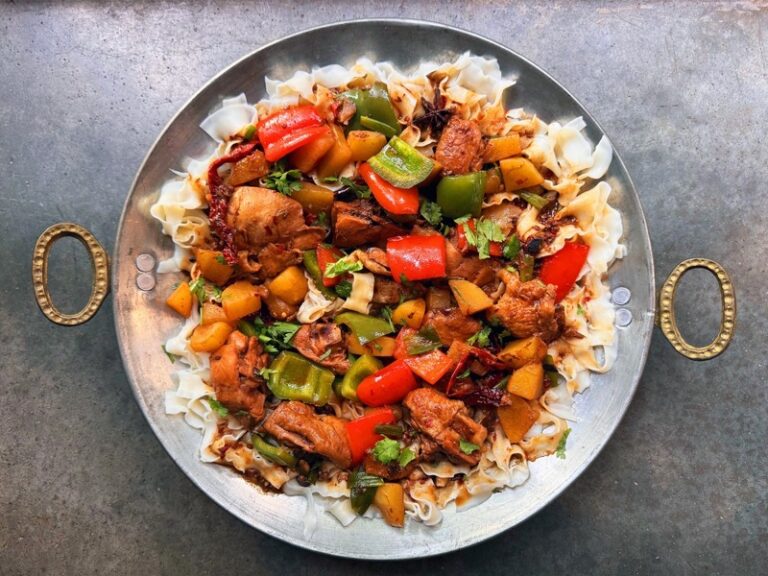
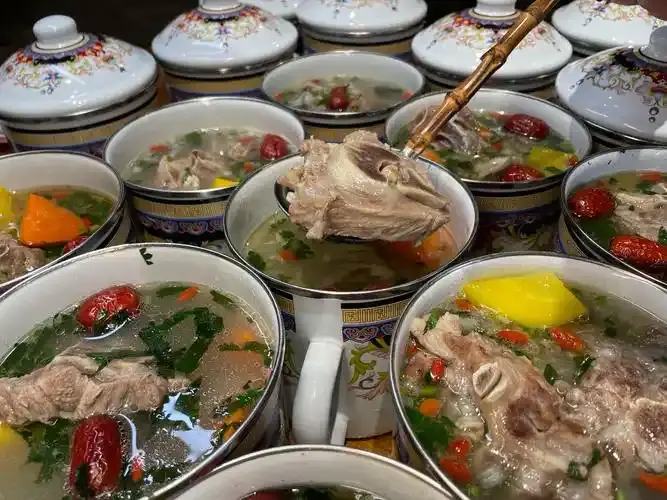
Most meals are communal. Dishes arrive in a rough sequence: tea and bread first, then cold mezze-style plates (tomato, cucumber, pickles), then the centerpiece — polo (pilaf), laghman, or a whole roasted lamb for big occasions — and finally fruit and sweets. Wait for the eldest or the host to begin before you dig in.
| Stage | What arrives | Etiquette note |
|---|---|---|
| Arrival | Tea + naan | Accept with both hands; don’t refuse the first round |
| Cold plates | Salads, pickles, nuts | Help yourself modestly; leave plenty for others |
| Main | Polo, laghman, or roasted meat | Wait for the host or eldest to start |
| Close | Fruit, dried apricots, sweets | Signals the meal is winding down |
Toasts, Gift-Giving, and Paying the Bill
If Kashgar or any southern town is on your route, you may be offered a toast of arak (distilled liquor) or simply tea. A short, sincere “rahmet” (thank you) goes a long way. Never pour your own drink before an elder’s; refill others before yourself.
On paying: in a private home, offering money is often refused and can feel insulting — a small gift (fruit, sweets, or something from your hometown) is the right currency. In restaurants, the host who invited you will usually insist on paying; let them, then return the favor another time.
What NOT to Do at a Xinjiang Table
- Don’t stick chopsticks upright in a bowl of rice — it resembles incense at a funeral.
- Don’t point the soles of your feet at people when seated on the floor.
- Don’t refuse tea repeatedly in a way that disrupts the host’s flow; cover the bowl instead.
- Don’t waste food ostentatiously; take what you will finish.
- Don’t discuss politically sensitive topics at the table — keep it about family, food, and travel.
Regional Nuances: South vs North
Etiquette is not identical across the region, and a little awareness goes a long way. In southern Xinjiang — Kashgar, Hotan, Yarkand — meals tend to be longer and more formal, and a whole roasted lamb may be presented to honored guests, with the choicest pieces (the cheek, the liver) offered to the most respected visitor. In the north (Urumqi, Ili, Altay), Kazakh and Kyrgyz customs add their own layers: among Kazakhs you may meet the bekireu toast ritual, where the youngest pours for the eldest and a shouted phrase sends a shared cup around the circle until everyone has drunk.
None of this should intimidate you. Locals are accustomed to visitors and will guide you gently if you misstep. The effort to follow along — even imperfectly — is exactly what they remember, and it almost always earns you a second helping and a story in return.
Where first timers go wrong
The trap here: Rude to finish everything on my plate
In most home settings it is fine to finish, but leaving a small amount can signal you are satisfied and the host fed you well. Either is acceptable; the bigger signal is that you ate with relaxed enjoyment rather than rushing.
Where people slip: Bringing my own food
Most Xinjiang Muslim households serve halal meat and avoid pork entirely. If you are vegetarian or have allergies, tell your host gently when invited, not after sitting down. They will adapt — Xinjiang tables are generous that way.
The usual error: Tiping in homes
Never tip in a private home. In restaurants, rounding up or leaving small change is appreciated but not expected outside tourist centers.
Easy to get this wrong: Right greeting before a meal
A warm “yahshimusiz” (hello) and “rahmet” after eating covers most situations. Locals light up when visitors make the effort with even a few words.
The trap here: Okay to take photos of the food
A quick shot is fine, but ask before photographing people, especially elders or women, and never let the camera interrupt the serving flow.
None of this is rigid. The single rule that matters most is simple: show up hungry, receive with both hands, and treat the bread and the host with respect. Do that, and you will be fed — and welcomed — far beyond the food on the table.