Eating Vegetarian in Xinjiang: What Is Halal, What Is Meat-Free, and How to Order It
I travelled with a vegetarian friend through Xinjiang and we both braced for a meat-only trip – the lamb skewers are impossible to miss. We were wrong. The Silk Road kitchen is built on wheat, dairy, fruit and a deep bench of vegetable pilafs and stuffed breads, and with a little know-how a vegetarian eats better here than in many “vegetarian-friendly” cities. This is the field guide we wish we had packed.
Halal is the baseline, not a vegetarian promise
Most Xinjiang food is halal (no pork, slaughtered to Muslim rule), but halal says nothing about meat. A halal restaurant can still be all-lamb, all the time. So the first move is not “is it halal” but “does it have a vegetable version” – and the answer is usually yes if you ask for it plainly.
The vegetable side of the Silk Road table
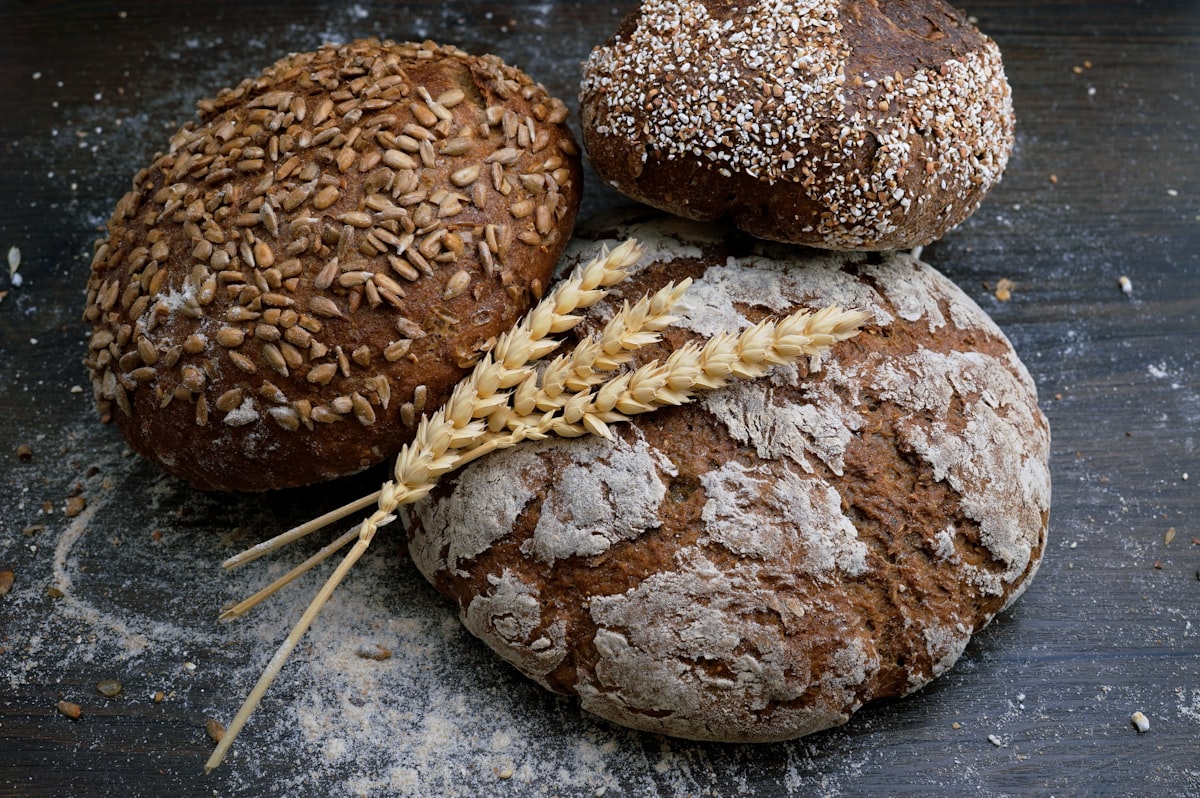
Wheat and dairy do the heavy lifting. Naan comes out of the tandir oven with nothing but flour, water, salt and sesame. Laghman noodles are pulled by hand and served bare, then topped to order. Yogurt, dried fruit and the absurd variety of local melons give you sweet and savoury without a scrap of meat. The trick is spotting the dishes that are veg by default rather than veg on request.
Dishes you can eat with confidence
Below is the shortlist we relied on. “Veg-safe” means it is normally made without meat; “ask” means the default often hides meat stock or bits.
| Dish | Base | Veg-safe? |
|---|---|---|
| Naan / sangza / girdeh | Flour, sesame, oil | Yes, by default |
| Plain laghman (belt noodles) | Wheat, tomato, greens | Usually yes; confirm no meat broth |
| Samsa (plain veg) | Pastry, onion, pumpkin | Ask – many are lamb |
| Polo without meat | Rice, carrot, raisin | Ask – usually cooked with lamb |
| Fresh melon & grapes | Fruit | Yes, always |
| Yogurt with nuts | Milk, walnut, honey | Yes, by default |
Naan, bread and dairy that are naturally meat-free
The bread culture is the vegetarian’s best friend. A hot naan from the corner tandir is vegan by accident and sells for a few yuan. Samsa baked with onion or pumpkin exist but sit next to lamb ones in the same basket, so point at the plain round one or say the veg word clearly. Dairy is everywhere: thick yogurt, kaymak cream, and the sweet dried-fruit clusters that double as trail snacks on long drives.

Ordering without the language
You do not need fluent Uyghur, but three words change the meal: “gosh” (meat), “yok” (none / without), and “sabzik” (vegetable). String them as “gosh yok” – no meat – and follow with the dish name. At a laghman counter, “sho’rva yok” means no broth. Vendors are used to this and will often pull a plain portion from the back rather than scrape meat off your plate, which is the wrong move anyway.
Night markets and the fried-danger zone
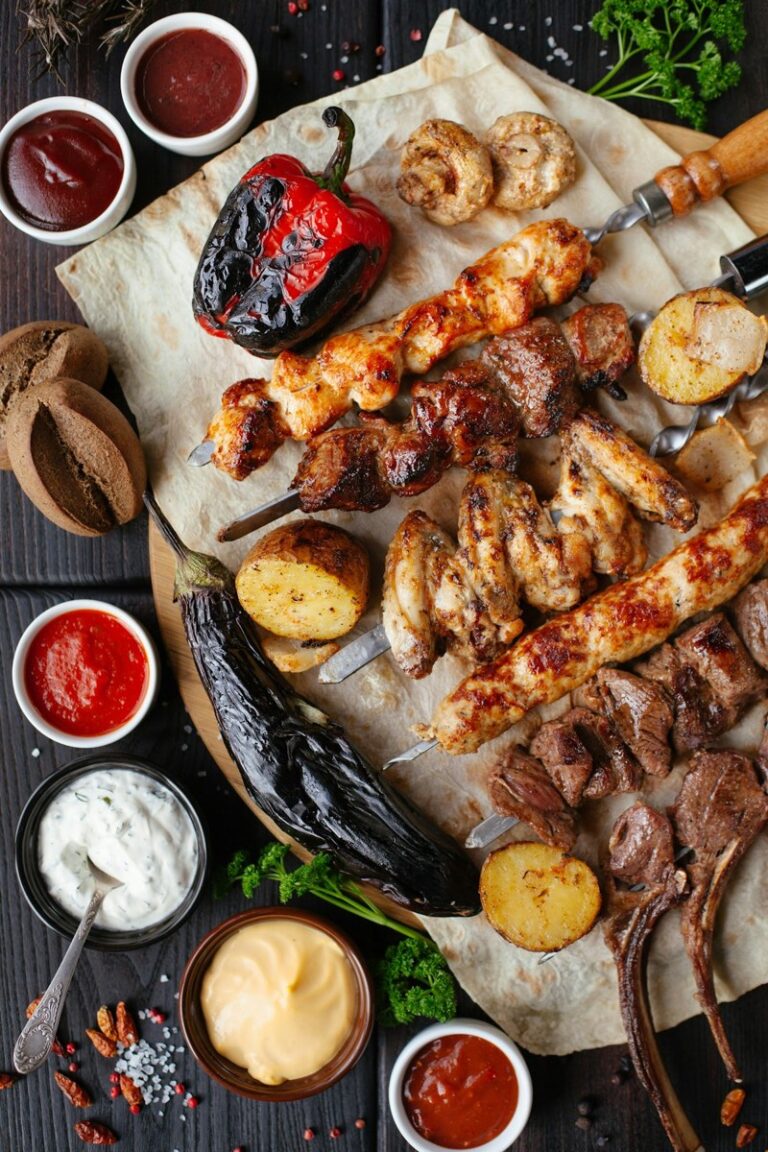
The bazaars are glorious and treacherous. Skewers are lamb, full stop. The safe Fried things are the round naan, the spiral sanzi (fried dough twists, sweet and meat-free), and fresh-pressed pomegranate or watermelon juice. Watch the shared fryer: a “vegetable” fritter cooked in the lamb-oil batch is not vegetarian to a strict eater, so ask “moy yok” (no oil-from-meat) if it matters to you.
A sample vegetarian day
This is a realistic rhythm that kept my friend full across Kashgar and Turpan without repeating a plate.
| Meal | What to order | Why |
|---|---|---|
| Breakfast | Naan + black tea + yogurt with walnut | Protein and fat, no meat |
| Lunch | Plain laghman, extra tomato and greens | Filling, cheap, everywhere |
| Snack | Fresh melon or grapes | Seasonal and free of additives |
| Dinner | Vegetable polo or pumpkin samsa + greens | Warm, balanced close to the day |
Where the kitchen will help you
Family guesthouses and the home-style restaurants behind the tourist front desks are the easiest vegetarian wins – the cook will simply make you a plate of stir-fried greens and noodles. Big Uyghur banquet houses are harder because the menu is built around shared meat trays. For the broader picture, my xinjiang food guide maps the regions by signature dish, and the cuisine deep-dive explains the ten plates worth planning a day around, meat or not.
One pattern paid off every time: eat your big cooked meal early, at a proper restaurant, and keep the markets for snacking. Lunch is when kitchens are freshest and most willing to pull a plain portion; late dinner is when they are tired and default to the meat tray. Build the day around that rhythm and the vegetarian version of Xinjiang stops feeling like a workaround and starts feeling like the local diet with the meat lifted off.
A vegetarian market list
The bazaars are where a vegetarian eats cheapest and freshest. A short shopping loop gives you a full day of snacks and sides with zero kitchen involved.
| Buy | Why it works | Season |
|---|---|---|
| Korla pears and Turpan grapes | Sweet, portable, no prep | Aug-Oct |
| Fresh naan (plain) | Vegan base for any meal | Year round |
| Walnuts and apricot kernels | Protein hit on long drives | Autumn |
| Dried figs and raisins | Trail fuel, no fridge | Year round |
| Tomatoes and cucumbers | Salad at the guesthouse | Summer |
Reading a menu without panic
Most printed menus mix Uyghur and Chinese with photos, which is half the battle. Match the photo to the word, and when the picture is a shared meat tray, point at the plain noodle or bread beside it. The few characters worth knowing: “素” (su, vegetarian) on a Chinese menu is your green light, and “肉” (rou, meat) is the red one. A guesthouse host will usually translate the whole menu by voice message if you send a photo – that single habit saved more vegetarian dinners than any phrase I memorised.
Strict vegan note
True vegans have a narrower path. Dairy is everywhere (yogurt, kaymak, milk in some breads), and honey sweetens the dried-fruit clusters. The safe vegan core is plain naan, fresh fruit, plain laghman with oil not butter, and steamed greens. Tell the kitchen “sut yok” (no milk) as well as “gosh yok” and you close most gaps; the fryer oil question remains the last caveat.
The mistakes worth avoiding
The trap here: Halal the same as vegetarian in xinjiang
No. Halal means no pork and Muslim-slaughtered meat, but the food is still full of lamb and beef. Vegetarians need to ask specifically for meat-free dishes, not assume halal covers them.
Where people slip: Easiest vegetarian meal to find
Plain naan with yogurt and fruit. It is sold in every town, needs no ordering skill, and is fully meat-free by default.
The usual error: Eating the noodles (laghman) vegetarian
Often yes. Ask for them without meat broth (“sho’rva yok”) and with extra vegetables; many counters will pull a plain portion rather than strip meat from a shared bowl.
Easy to get this wrong: Famous xinjiang skewers vegetarian
No, they are lamb. The vegetarian options at a night market are the round naan, sweet sanzi twists, and fresh fruit juice.
The trap here: Restaurants cook a custom veg plate
Family guesthouses and small home-style spots usually will, happily. Large banquet houses built around shared meat trays are less flexible, so save the custom ask for the casual places.
Where people slip: Frying oil a problem
For strict vegetarians, sometimes. Fried snacks may share a lamb-oil batch with meat fritters. Ask “moy yok” if the oil matters to you, or stick to baked and steamed items.