Hotan Rose Tea and Rose Jam: A Buyer’s Guide to Xinjiang’s Edible Roses
The first time someone handed me a spoonful of Hotan rose preserve I assumed it would taste like perfume. It did not. It tasted like a rose that had been picked, salted with sugar and left to think about it for a month — floral, yes, but jammy, faintly tannic and much less sweet than the colour suggests. Spread on hot naan it is one of the best cheap breakfasts in Xinjiang, and it is the single souvenir from the southern oases I restock every trip.
Roses in Xinjiang are not decorative. In Hotan prefecture, and especially around Yutian (Keriya) County, edible roses are a genuine cash crop, harvested in late spring and processed into tea buds, preserve, syrup, rose water and a whole shelf of sweets. If you are travelling the southern Silk Road belt, this is the local product most worth understanding before you buy — because quality varies enormously and the tourist-facing versions are often the weakest.
Why Hotan Grows Roses
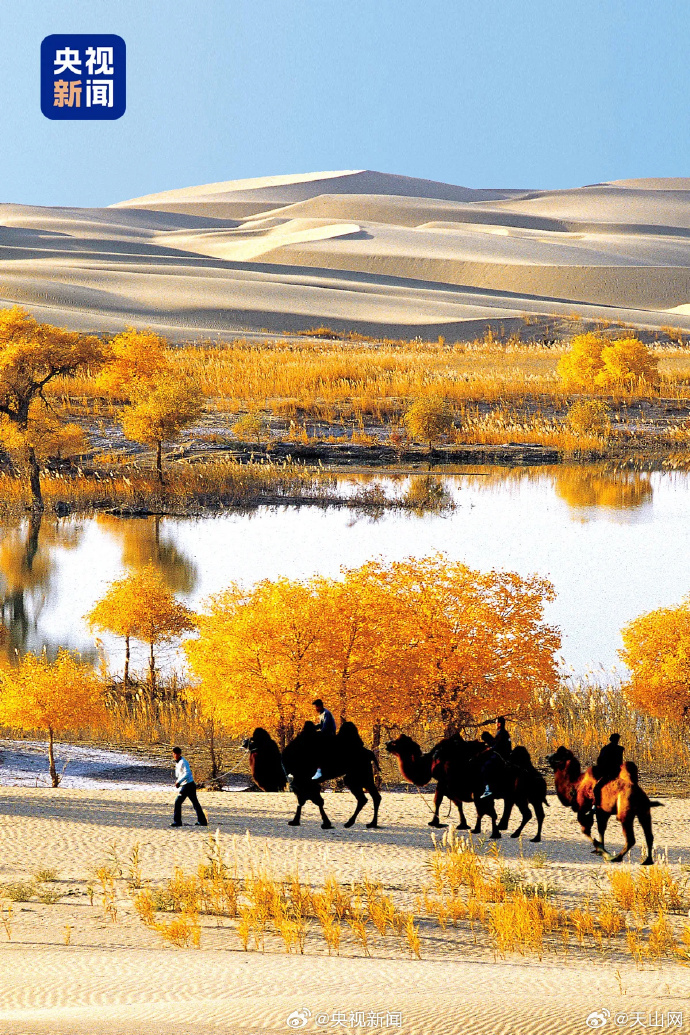
The southern rim of the Taklamakan is a difficult place to farm and a very good place to concentrate flavour. Intense sunshine, a huge day-night temperature swing, meltwater irrigation from the Kunlun range and dry air all push aromatic compounds up — the same reason Hotan’s melons, walnuts and pomegranates punch above their weight. Roses grown here come out strongly scented rather than watery.
Harvest is short. Buds are picked in the cool of early morning during roughly May and June, then either dried whole for tea or layered with sugar into preserve within hours. That short window is why the good stuff is seasonal in feel even when it is sold year-round, and why a jar bought in the producing area in June usually beats one bought in a city gift shop in November.
The Four Rose Products Worth Buying
| Product | What it is | How locals use it | Travel-friendly? |
|---|---|---|---|
| Dried rose buds | Whole buds dried for tea | Steeped alone or with black tea and rock sugar | Best – light, dry, no leak risk |
| Rose preserve / jam | Petals cured with sugar, sometimes honey | Spread on naan, stirred into yogurt, pastry filling | Good if double-bagged |
| Rose syrup / cordial | Sweet rose liquid | Diluted with cold water in summer | Heavy and leak-prone |
| Rose water | Distilled floral water | Cosmetic use, and a splash in desserts | Check liquid limits for flights |
Dried buds for tea
The easiest thing to bring home and the hardest to get wrong. Look for buds that are still tight and mostly intact, with colour that reads deep pink to dusty crimson rather than brown. A bag of good buds smells like roses when you open it at arm’s length; a bag of tired buds smells faintly of hay.
Rose preserve, the one to actually eat here
Sold in jars from bazaars, roadside stalls and small workshops, and often referred to locally with words built on gul, the Uyghur word for flower — you will see it written as rose jam, rose sauce, or gul preserve depending on who translated the label. Texture ranges from a loose petal-in-syrup to a thick dark paste. I prefer the thicker kind: less sugar water, more rose.
Rose water and cosmetics
Widely sold, mostly for skin rather than cooking. Fine as a light gift, but this is the category where I have seen the most diluted, weakly scented product aimed squarely at visitors. Smell before you commit.
The sweets shelf
Rose shows up as a filling in baked pastries, layered into nougat-style slabs, folded into ice cream and dropped into cold drinks in summer. The pastries are the best of these — buy two, eat one immediately, decide from there.
How to Judge Quality in Thirty Seconds
Smell first, always. Ask to open the jar or bag. Real Hotan rose product announces itself. If you have to lean in to smell anything, walk.
Look at the sugar. In preserve, you want visible petal structure suspended in syrup, not a uniform pink sludge. Sludge usually means more sugar and less rose, or a product that has been cooked hard.
Check for a real lid seal. Bazaar jars are frequently hand-filled and hand-sealed. That is not a problem for eating here, but it is a problem in a suitcase. If you plan to fly it home, either buy a factory-sealed jar or plan on two zip bags.
Ignore the fanciest packaging. The gift boxes stacked at airport and hotel shops are usually the same or weaker product at three times the price. The best jars I have bought came out of a plastic tub with a hand-written label.
Where to Buy
| Where | What to expect | Price level |
|---|---|---|
| Hotan city bazaar | Widest choice, tasting encouraged, hand-filled jars | Lowest |
| Yutian / Keriya county stalls | Closest to source, strongest product in season | Lowest |
| Kashgar old town shops | Convenient, decent quality, tourist markup | Medium |
| Urumqi Grand Bazaar | Reliable stock year-round, packaged for gifting | Medium-high |
| Airport and hotel gift shops | Heavily packaged, weakest value | Highest |
If your route runs through the southern oases anyway, buy in Hotan. The city is worth a stop on its own merits — jade, silk, carpets, a genuinely great Sunday market — and our guide to Khotan (Hetian) covers how to fit it into a southern Silk Road itinerary.
How Locals Actually Use It
Watch a Uyghur breakfast and the pattern is obvious. Naan, torn by hand. Rose preserve spooned onto it or into a saucer beside it. Milk tea or black tea alongside. That is the whole ritual, and it is better than it sounds because the bread is warm, faintly salty and slightly charred from the tandoor, which is exactly what a sweet floral preserve needs to push against.
Beyond breakfast: stirred through thick yogurt, which is the version I make at home; used as a pastry filling; spooned over ice cream in the summer heat of Turpan and Kashgar; and diluted with cold water as a cordial. In some households a spoonful in hot water is treated as a mild digestive after a heavy lamb meal.
Brewing rose bud tea properly
Use water just off the boil rather than fully boiling — around 90°C — because harsh heat strips the aroma and leaves a stewed, slightly bitter cup. Six to ten buds per cup is plenty. Steep three minutes, then top up the same buds two or three more times; the second infusion is often the best. Locals frequently add rock sugar, and combining rose buds with a strong black tea makes a good afternoon cup.
Taking It Home
Dried buds are the low-risk choice: light, compressed, no liquid rules, no leak risk. They also keep for a year in a sealed bag away from light.
For preserve, buy factory-sealed jars if it is going in checked luggage, and double-bag regardless. Jars count as liquid for carry-on purposes, so they go in the hold. Rose water and syrup have the same issue with the added problem of weight. If you want to carry the flavour of the southern oases home without the logistics, buds and pastries beat jars — and if you are already building a shopping list, our guide to Xinjiang dried fruit and nuts covers the rest of the bazaar.
A season by season read
Spring and early summer
Harvest runs roughly through May and June, with the peak depending on the year’s weather. Products are sold year-round, but if you want the freshest preserve and the strongest dried buds, travel in late spring or early summer.
Summer
Good rose bud tea tastes floral and faintly tannic, closer to a light black tea with rose than to anything cosmetic. Perfume-like harshness usually means an over-processed or artificially scented product, or water that was too hot.
Autumn
Prices vary by grade, season and how far you are from the growing area, so treat any fixed figure with suspicion. What is consistent is the ratio: bazaar stalls in Hotan are cheapest, city bazaars sit in the middle, and airport gift boxes cost several times more for the same or weaker product.
Winter
In checked luggage, yes, and it travels fine if the seal is sound and you double-bag it. Do not put jars in your carry-on, as they will be treated as liquids. Dried buds are unrestricted and much easier.
4
Related but not identical. Rose preserve appears in several Chinese regional cuisines; what distinguishes the Hotan version is the growing environment on the desert rim and its integration into local Uyghur eating habits, particularly the naan-and-preserve breakfast.
5
Jade is the headline product and the one most worth researching before you spend anything meaningful. Beyond that, silk, hand-knotted carpets, walnuts, pomegranates and thin-skinned melons in season all travel well or eat beautifully on the spot.