Nanshan and Baiyanggou: Urumqi’s Closest Grassland Day Trip
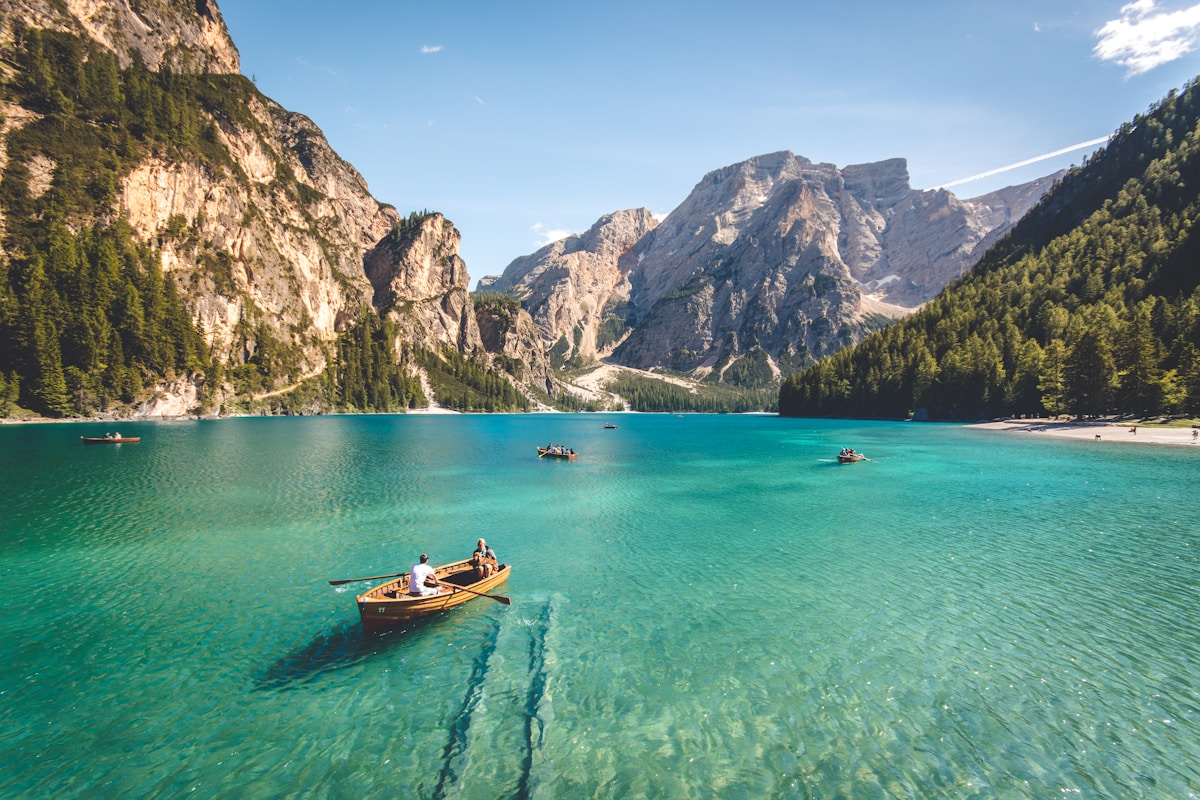
Everyone who lands in Urumqi with one spare day asks the same question: where can I actually see the Tianshan without committing to a two-day drive? The standard answer is Heavenly Lake. The better answer, on a summer weekend when Tianchi’s shuttle queues are forty minutes deep, is Nanshan — the belt of forested valleys in the northern Tianshan foothills roughly 60 kilometres south of the city, of which Baiyanggou is the most famous.
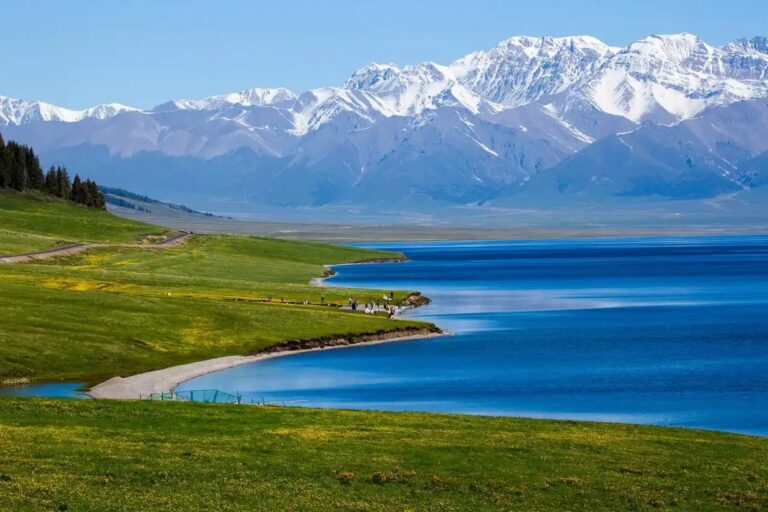
Nanshan is not one attraction. It is a name Urumqi residents use for a whole shoulder of mountain, cut by half a dozen gullies, each with spruce forest, Kazakh pastures, horses for hire, a waterfall or two, and yurt camps serving lamb and milk tea. Locals go for a long lunch and a nap under a tree. Travelers can get a genuine grassland-and-forest day for the price of a taxi fare, and be back in the city for dinner.
Where Nanshan Actually Is
Drive south out of Urumqi and within forty minutes the apartment blocks stop and the land tilts upward. The road climbs through Shuixigou district into a series of parallel valleys on the northern flank of the Tianshan. Elevation in the visitor areas generally runs somewhere between 1,600 and 2,300 metres — high enough that summer afternoons stay pleasant and that a July thunderstorm can drop the temperature fast.
Baiyanggou, literally “White Poplar Gully,” is the valley most signposted for visitors and the one most tour groups mean when they say Nanshan. It has the best-developed access, the classic spruce-lined valley view, a waterfall at the head of the gully, and the densest cluster of yurt camps and horse handlers.
Choosing Your Valley
This is the decision that determines whether your day is a good one. The valleys differ more than the maps suggest.
| Valley | Character | Best for | Crowds |
|---|---|---|---|
| Baiyanggou (白杨沟) | Classic spruce valley, waterfall, yurt camps, horses | First visit, families, the postcard view | Highest |
| Shuixigou (水西沟) | Resort belt, ski areas, hotels, easiest access | Winter sports, comfortable base, short trips | High |
| Miaoergou (庙儿沟) | Quieter meadow and forest, fewer facilities | Walking, picnics, escaping the buses | Low |
| Gangou (甘沟) | Open pasture, working herding country | Photography, seeing real pastoral life | Low |
| Donggou / Xiaoquzi | Wooded gullies, local weekend picnic spots | Half-day trips, cheap lunches | Medium |
Go to Baiyanggou if it is your first time
You want the recognisable version: dark spruce running up both walls of the gully, meadow floor, felt yurts, horses tied in the shade. Arrive before 11 a.m. and it is lovely. Arrive at 1 p.m. on a July Sunday and you will share it with a lot of Urumqi.
Go to Miaoergou or Gangou if you want quiet
Less infrastructure, fewer signs, essentially no queue. These are where I take people who have already done Tianchi and want to walk rather than be shepherded. Bring your own food, because the catering is thin to nonexistent.
Go to Shuixigou in winter
The Shuixigou belt is where Urumqi’s ski infrastructure sits, which makes it the one part of Nanshan that is arguably better in January than in July. Slopes, hot food, heated hotels and a thirty-minute drive from the city.
How to Get There
Chartered car or taxi. The default and, for most travelers, the right call. Negotiate a round trip with waiting time rather than paying one way and hoping. Expect roughly one to one and a half hours each way depending on the valley and traffic out of the city. Agree the return time before you get out of the car.
Ride-hailing. Works fine going out of Urumqi. Getting a car back from a valley in the late afternoon is a coin flip, particularly from the quieter gullies. If you go this way, save your outbound driver’s number.
Self-drive. Straightforward on paved main roads and the most flexible option if you want to sample two valleys in a day. Roads narrow and steepen near the valley heads; in shoulder season expect gravel and mud in the last stretch.
Public transport. Possible in stages via Shuixigou town, then a local vehicle onward, but it consumes the day. If you are already juggling a tight Urumqi schedule, our Urumqi city guide covers what fits around a half-day out here.
What a Good Day Actually Looks Like
Here is the rhythm that works, refined over several visits and one badly planned one.
Leave the city around 8:30 a.m. Beijing time. Reach the valley entrance by 10. Walk the valley floor first while the light is still angled and the crowds are thin — an hour or two gets you to the waterfall in Baiyanggou and back. Ride a horse late morning if you want to, before the handlers get busy. Eat lunch at a yurt camp around 1 p.m.: lamb, naan, milk tea, and if you order ahead, a whole roast or stewed lamb dish worth the wait. Nap or walk the forest edge in the afternoon. Leave by 5 to be back in Urumqi for dinner.
Do not try to add Tianchi to the same day. People do, and they see neither properly.
Horse Riding Without Getting Fleeced
Horses are the main paid activity, and the transaction is where visitors most often feel stung. The handlers are Kazakh herders working a short season and prices are negotiable, so the exchange is normal commerce rather than a scam — but you should be clear about three things before you mount.
First, agree the route and the duration, not just a number. “One hour to the ridge and back” is a contract; “a ride” is not. Second, agree whether the price is per person or per horse, and whether a handler leading the horse is included. Third, settle payment terms at the start. Paying at the end is fine, but the number should not be renegotiated at the end.
Wear long trousers and closed shoes. The saddles are working saddles, not tourist furniture. If you have never ridden, ask for a led horse and a short route — the ground is uneven and a bolting horse on a slope is not the memory you came for.
Season by Season
| Season | What it is like | Verdict |
|---|---|---|
| Late May – June | Green meadow, wildflowers, snowmelt in the streams, few visitors | Best overall |
| July – August | Peak green, peak crowds, afternoon thunderstorms, cool escape from city heat | Go early in the day |
| September | Golden grass, clear air, comfortable temperatures, thinning crowds | Best for photography |
| October | Cold mornings, bare pasture, yurt camps closing down | Quiet but sparse |
| December – February | Snow, skiing at Shuixigou, most valley catering closed | Good for ski, not for meadows |
What to Bring
A windproof layer even in August — the valleys hold cold air and the storms arrive fast. Real shoes, because the meadow is uneven and often damp. Sunscreen and a hat, since you are at altitude with thin shade once you leave the spruce. Cash in small notes for horses, entry gates and yurt lunches, as mobile payment works but not universally out here. And insect repellent in high summer.
Nanshan, Tianchi or Nalati?
People ask this constantly, so here is the honest comparison. Nanshan is the closest, cheapest and least structured — a forest-and-pasture afternoon, not a headline sight. Tianchi is the postcard alpine lake with proper infrastructure, higher entry cost and real crowds; if you only have one day and want the iconic image, take the Tianchi one-day trip instead. Nalati, seven hours west in the Ili Valley, is a different scale of grassland entirely and deserves two days minimum.
My rule: if you have one day, do Tianchi for the view or Nanshan for the atmosphere. If you have two, do both and put Nanshan second, when you will appreciate having nowhere to queue.
How much this really adds up to
| Item | What it costs | Note |
|---|---|---|
| there an entrance fee | varies | Individual valleys and scenic areas charge their own modest entry fees, and some also charge separately for parking or a shuttle to the valley head. Amounts change, so carry cash and treat any figure you read online as indicative rather than current. |
The numbers above are what I paid on my own trips; add roughly a fifth for a private car and driver if you are travelling with someone else. Anything marked roughly is a bazaar price in high season, and it moves with demand.