Xinjiang Cold Dishes (Liangban): The Refreshing Side of Silk Road Cooking
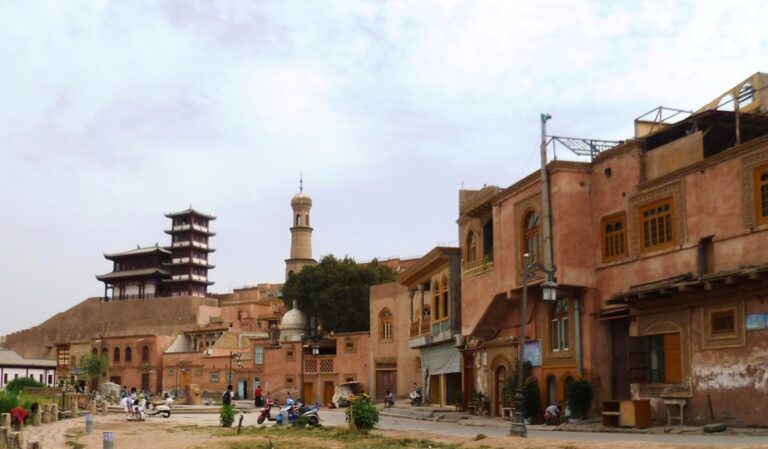
If you sit down to a big Xinjiang feast, the first things to arrive are rarely the grilled lamb or the rice. They are the cold dishes — a row of small plates of cucumber, chickpeas, noodle sheets, and sometimes cold lamb, dressed in garlic, vinegar, and chili oil. Locals call this whole category liangban (凉拌), literally “mixed cold.” On my first trip to Kashgar I dismissed them as side salads; by the end of three weeks I was ordering two extra plates of smashed cucumber before the kebabs even hit the coals. These dishes are not an afterthought. They are how a Xinjiang table balances heat, fat, and the long, dry climate.
What “liangban” actually means
The word covers anything served chilled or at room temperature and dressed after cooking. Unlike a Western salad built around lettuce, a Xinjiang liangban is usually built around one hero ingredient — a vegetable, a legume, a starch, or a slice of poached meat — tossed with a sharp, salty-sour sauce. The sauce is the point. Garlic is non-negotiable, black vinegar adds the sour backbone, and a few drops of laza (hot oil) bring warmth without masking the ingredient. Summer in the Tarim Basin routinely tops 40°C, and a cold, garlicky plate is exactly what the body wants next to a plate of lamb fat.
The cold-dish table you’ll meet everywhere
Most restaurants — from a hole-in-the-wall near the Kashgar food streets to a highway motel in the Gobi — will have a glass cabinet of pre-made cold dishes by the door. You point, they scoop, you pay by the plate. Here are the four I reach for first.
| Dish | Hero ingredient | Region you’ll see it | When it shines |
|---|---|---|---|
| Liangban huanggua | Cucumber, smashed | Everywhere | Summer, with kebabs |
| Pi lan | Wheat noodle sheets | Urumqi, Ili | Hot afternoons |
| Qakiliq | Chickpeas + tomato | South Xinjiang | As a beer snack |
| Soğuk et | Boiled lamb, cold | North Xinjiang | After a big meal |
Liangban huanggua — smashed cucumber with garlic
The simplest and most addictive. Cucumbers are smashed with the flat of a knife (never neatly sliced — the cracks hold dressing), then tossed with crushed garlic, a splash of black vinegar, salt, and hot oil. The result is crunchy, pungent, and addictively cold. Ask for bu la (not spicy) if you cannot handle heat; ask for duo suan (extra garlic) if you can.
Pi lan — chilled noodle sheets in vinegar
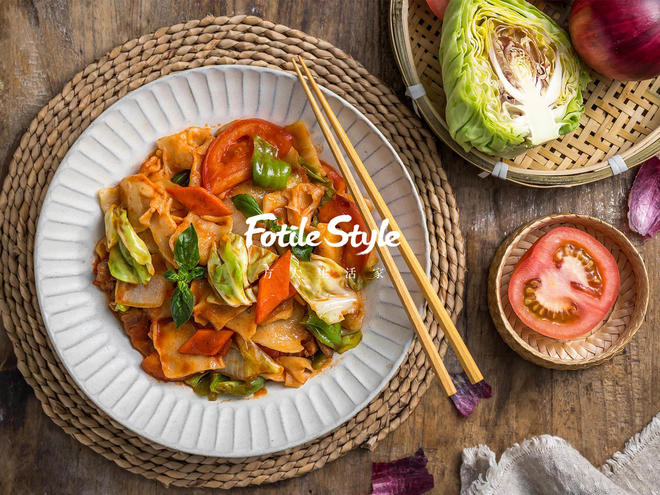
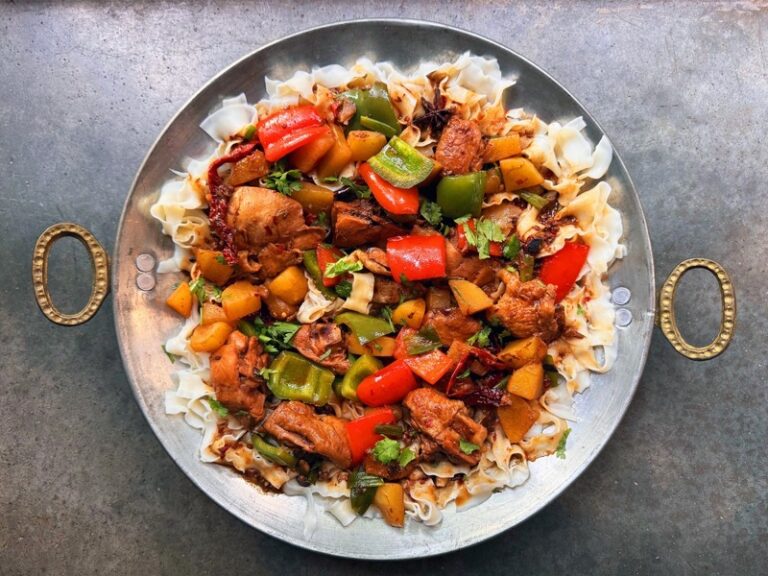
In Urumqi and Ili you’ll find pi lan: wide, slippery sheets of wheat starch cut into ribbons, chilled, and dressed with vinegar, garlic, and sometimes a little sesame paste. It eats like a cold noodle salad and is the perfect reset between rich dishes. Look for it at halal noodle shops rather than the kebab joints.
Qakiliq — chickpeas, tomato, and onion
A South-Xinjiang staple: boiled chickpeas mixed with diced tomato, raw onion, cilantro, and a vinegar-lemon dressing. It is vegan by accident, protein-rich by luck, and exactly what you want with a cold beer on a Kashgar rooftop at sunset.
Soğuk et — cold boiled lamb with scallion
In the north, leftover boiled lamb (the same meat from a shou zhua rou hand-pulled feast) is chilled and sliced thin, then fanned out with scallion and a dip of salt, crushed garlic, and pepper. It sounds odd to eat lamb cold; it is wonderful, like a Central Asian version of a charcuterie plate.

Regional twists: Uyghur, Han, and Hui versions
Because Xinjiang is where at least five food cultures meet, the “same” cold dish drifts by region. Uyghur versions lean on garlic, vinegar, and cilantro, with chili oil on the side. The Han Chinese communities of the north add a touch of sugar and sesame, softening the sour edge. The Hui (Muslim Chinese) cooks often fold in more cumin and use peanut rather than sesame oil. None of this is written down; you learn it by tasting three versions of cucumber in three cities and realizing they are three different dishes wearing the same name.
Why cold dishes quietly run the meal
For all the fame of Xinjiang’s grilled lamb, it is the cold dishes that do the quiet structural work of the meal. They arrive first, reset your palate between rich courses, and give a table of eight something to share with their hands while the meat cooks. Skip them and you miss the part of the cuisine that makes the rest cohere.
The climate argument
There is a practical reason they are everywhere. In the Tarim and Turpan basins summer temperatures sit well above 35°C for weeks, and a plate of chilled, garlicky cucumber is more than appetizing — it is functional. The vinegar and salt replace what you sweat out; the crunch gives the jaw something to do while the grill heats. I have come to judge a restaurant less by its kebabs than by its cucumber.
The shared-plate logic
Cold dishes are also the most social part of the table. They are always communal, always placed in the center, and always the first thing refilled. Watch a Xinjiang family eat and you will see the cold dishes passed hand-to-hand, negotiated over, and finished long before the lamb. Tourists who order only a main course and ignore the counter miss the rhythm the food is built around.
How to order and eat cold dishes like a local
The etiquette is relaxed. At a proper restaurant, cold dishes are a shared opener — order two or three for the table, eat them while the grill fires up, and do not rush. At the display-counter spots, you usually pay per small bowl (¥6–¥15). Pointing works fine; the Uyghur word liangban is understood everywhere, and a circle-with-thumb gesture means “one of that.” If you have a nut or sesame allergy, say so clearly — these plates are dressed to order, so most kitchens can leave the oil or paste out.
Build your own spread: a practical template
Want to recreate the rhythm at home or on a long train ride? The formula is forgiving. Pick one crunchy vegetable, one starch, one protein-ish legume, and one meat if you like, then dress them all with the same three-ingredient sauce.
| Slot | Pick one | Dressing |
|---|---|---|
| Crunch | Cucumber / radish / celery | Garlic + vinegar + salt |
| Starch | Noodle sheets / glass noodles | Same, plus sesame paste |
| Legume | Chickpeas / edamame | Vinegar + onion |
| Meat (opt.) | Cold lamb / chicken | Garlic-salt dip |

The things you will probably want to know
Are Xinjiang cold dishes spicy?
Usually mild. The chili comes as optional hot oil on the side, so you control the heat. Say “bu la” for none and “la yi dian” for a little.
Are they vegetarian or vegan?
Most vegetable and chickpea versions are fully vegan. Meat versions (cold lamb, chicken) are obviously not; the dressing itself is plant-based.
How much do they cost?
At display counters expect ¥6–¥15 per small bowl. In restaurants a larger shared plate runs ¥12–¥28 depending on the city and the ingredient.
Can I get them for takeaway?
Yes. Most counter shops pack them in a lidded tub; ask for “dai zou” (take away). They survive a few hours unrefrigerated in cool weather.
Do they contain nuts or sesame?
Some do (sesame paste, peanut oil). If allergic, tell the cook “wo you guomin” (I have an allergy) and they can dress yours plain with garlic and vinegar.
What drink pairs best?
A cold local beer, kymyz-style fermented mare’s milk in the north, or just salty milk tea. The sour-salty dressing loves a cold, plain drink beside it.