The Loulan Mummies: The 4,000-Year-Old Faces That Rewrote Xinjiang’s Story
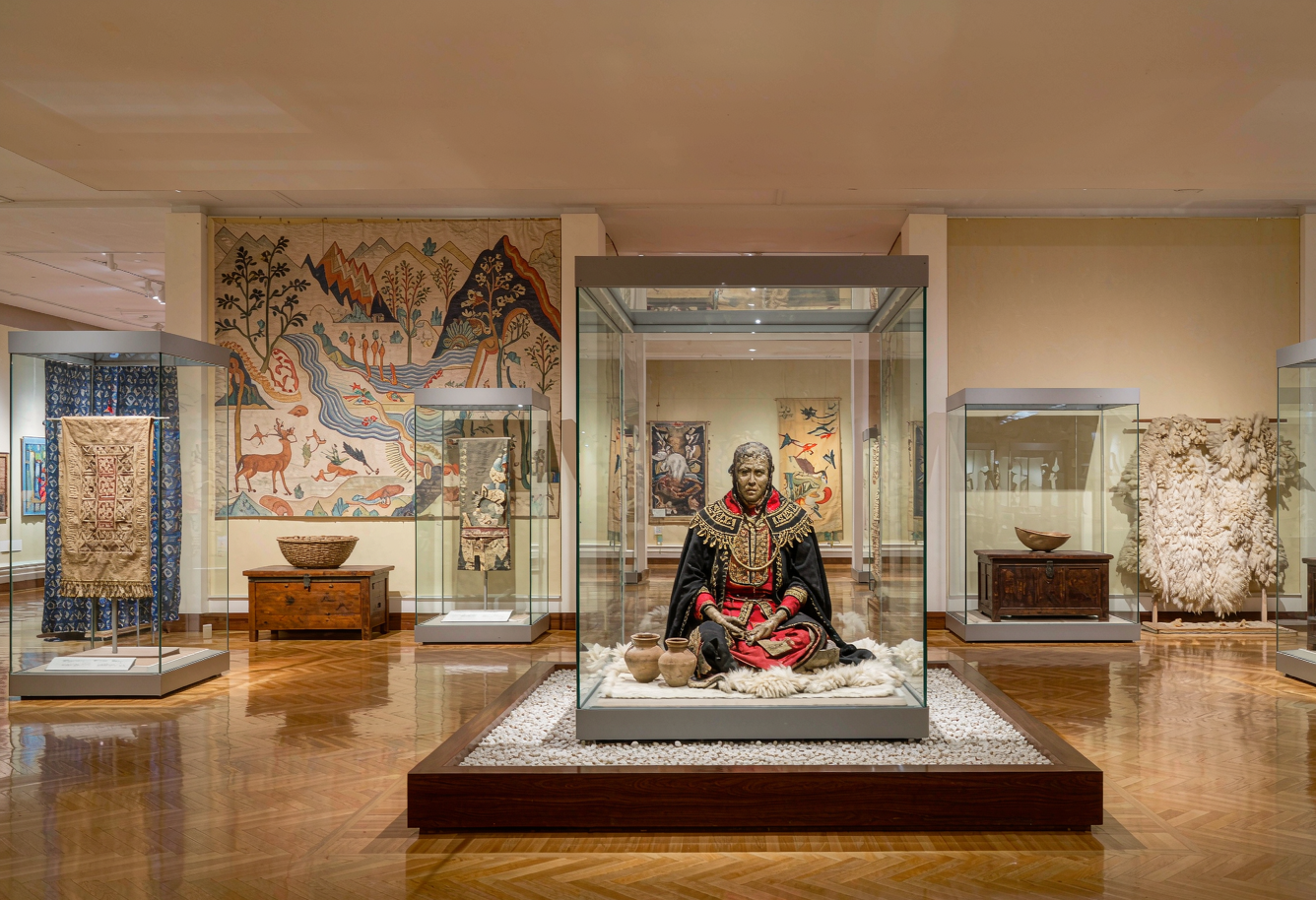
I went to the regional museum to kill an hour and left an hour late because of a face. The Loulan woman, four thousand years old, still has the weave of her cloth and the shape of her nose, and she looks like someone who could walk into the bazaar today. That is the jolt the regional museum delivers, and it is the best hour in Urumqi.
The mummies are not a sideshow. They are the oldest physical proof that the Tarim basin was crossed by people who do not fit any simple story, with hair and cloth that tie them to a wider world than the maps suggest. The history of the region is usually told from the Silk Road onward; these bodies push the human story back millennia and complicate it.
See them before the ruins, not after. The Turpan oasis and the Jiaohe ruins make more sense once you have seen the people who built under them. The Lop Nor chapter is the lonely end of the same line, a kingdom that drank its lake dry.
A practical note: the museum rotates what is on display, so the famous ones are not always out. Go early, go on a weekday, and ask at the desk which hall has the mummies that month. I missed them the first time by assuming they were permanent.
The thing that stays is not the age. It is the plain fact that someone sat where you stand, four thousand years ago, and was preserved well enough that you can meet her eyes.
The mummy that undid me was not the famous one but a child, small, wrapped in a checked cloth that still shows its pattern after four thousand years. Someone wove that cloth for a child and wrapped them in it, and the care outlived the kingdom that made it. I stood there longer than was comfortable and left quiet. The guided hall afterward felt like small talk. What the mummies do to you is remove the distance: the ‘ancient’ stops being a category and becomes a person who lost a child, which is the oldest story there is. I have not been able to explain to friends why a museum made me quiet for a day. Now I just say go, and go early, and let it land on you the way it landed on me.
Go before the ruins, not after: the Jiaohe and Turpan sites make more sense once you have met the people who built under them. The Lop Nor chapter is the lonely end of the same line. The museum rotates displays, so ask the desk which hall has the mummies that month, and go early; school groups take the afternoon. I spent an hour and left quiet, and I would not trade that hour for any viewpoint. The mummies are not a checklist item. They are the oldest argument in the region, and they win it by simply being there, four thousand years intact, looking back at you.
A few minutes of background change the visit
Locals in Xinjiang will give you the short version in about a minute if you ask, and it is usually better than the panel at the gate. The history here is layered in a way the official signage compresses into names and dates. The place only makes sense once you know its shape. Xinjiang Loulan Mummies was cut rather than built, which is why the walls are solid and the streets are the empty space between them, and why centuries of dust ended up acting as a roof. Knowing what you are standing on turns a pleasant walk into something you actually remember. Read that the morning before rather than at the entrance, where the boards stand too far from the object to help. I wrote the driving side up in our [[xinjiang-loulan-niya-lost-cities|Loulan and Niya: The Lost Cities of the…]] as well.
The hour I go back for
By ten the coaches are here, and by one it is an hour of people shuffling past. I have come to like the last forty minutes before the gate shuts, when the groups have gone and the staff are sweeping, because that is when you can look up properly instead of squeezing a shoulder past strangers. Whatever the guidebook says about golden hour, go on a weekday. The light is only free of company on a Tuesday. Midday is the hour to avoid, not the hour to schedule.
Everything goes flat, the shade disappears, and the temperature on an open plateau rises in a way that stops you caring about photographs. Between the two I would pick the later one, mostly because the early version costs you the rest of the day. Go early or go late and the same ground gives you two different subjects. Sunrise is the one worth an alarm for. The whole face of Xinjiang Loulan Mummies turns a colour that does not exist at any other time, and the site is empty enough that you can stand still and hear nothing.
Where most people get the logistics wrong is covered in our [[how-to-go-to-xinjiang|How to Get to Xinjiang: Entry Requirements…]].