The Xinjiang Photography Gear Checklist: What to Pack for Silk Road Light
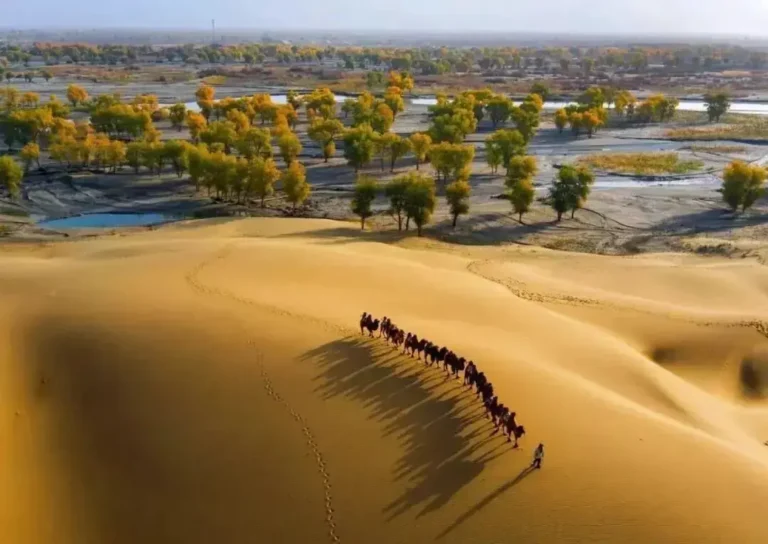
Xinjiang is the most photographic place I have ever carried a camera. The scale is the problem: a 16mm frame still can’t hold the Tianshan, and the light swings from harsh desert noon to alpenglow that lasts ten minutes. After three trips and one fried memory card, I have a kit that earns its weight. This is the checklist I actually pack, not the fantasy kit.
What I Stopped Bringing
Every gram matters when you are hauling gear across passes, so the list of cuts is as useful as the list of keeps. I dropped a second body (one spare battery does the job), a heavy 2.8 prime I loved at home but never reached for here, and a full-size tripod for a travel one. I also left the laptop — a tablet for culling is enough, and one less thing to insure. The discipline is: if I did not use it on the last trip, it stays home. The kit below is what survived that purge.
The Gear That Earns Its Weight
| Item | Why it earns the space |
|---|---|
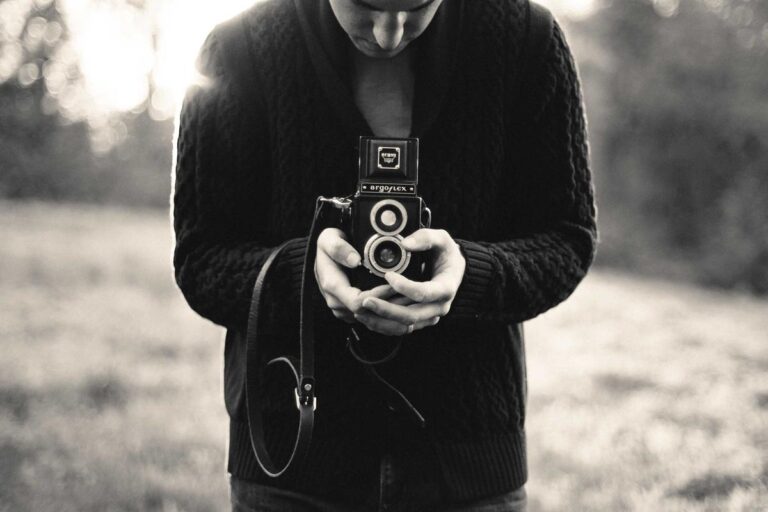
| One body + 1 spare battery minimum | Cold and heat drain batteries fast; no shops mid-route |
| Wide zoom (14–24 / 16–35) | Landscapes, yurts, interior murals |
| Standard zoom (24–70 / 24–105) | Walk-around, markets, portraits |
| Tele zoom (70–200 or 100–400) | Mountain layers, wildlife,压缩感 |
| Lightweight travel tripod | Blue-hour, star trails, waterfalls |
| 3+ spare cards + card reader | Backup daily; cards fail in dust/heat |
| Microfiber + rocket blower | Dust is constant; clean before changing lenses |
For shot-specific locations and the light windows that make them, our Xinjiang photography locations guide is the map; pair it with this kit list.
Lenses for Xinjiang Landscapes
Go wide, but not only wide
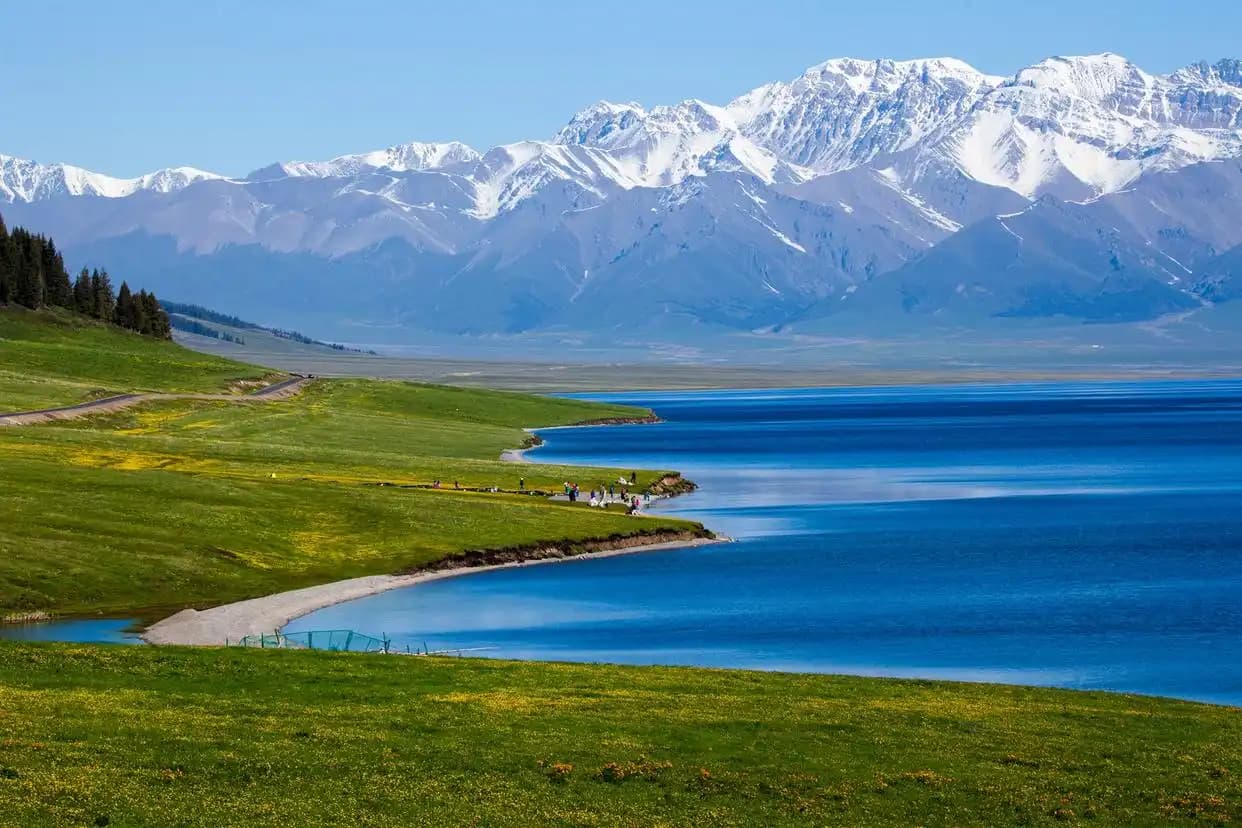
The instinct is to live on a wide lens, and you should — Sayram’s shoreline and the Duku switchbacks beg for it. But the magic is often in compression: a 100–400 from across a valley flattens layers of mountain into ribbons of color. I carry the wide and the tele and skip the middle more than I expected.
Whether to bring a drone
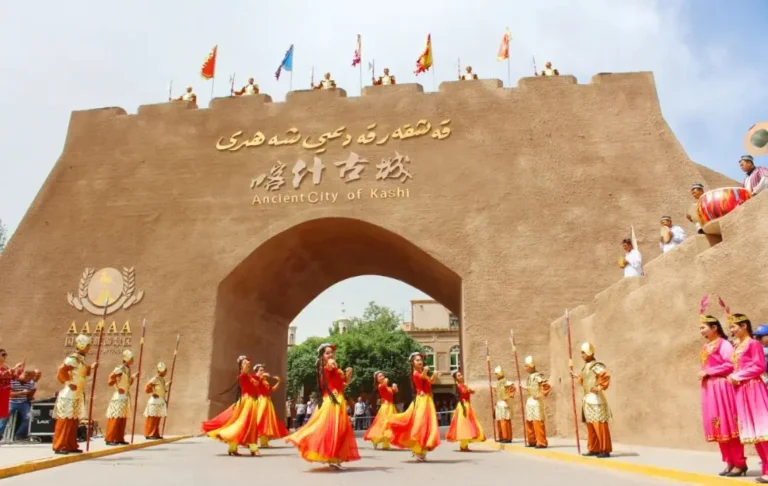
Drones capture Xinjiang absurdly well, but rules are strict: many scenic areas, all borders, and military zones ban them, and Kashgar’s old city is a no-fly zone. Register and check locally; flying blind risks confiscation and fines. When allowed, golden hour over a grassland is worth the paperwork. If you are unsure at any gate, ask before launching — a five-minute conversation beats losing the aircraft.
Power, Storage, and Dust Protection
Power
Between long drives and cold plateaus, batteries die. Carry a 12V/USB car charger and a power bank; charge in the vehicle while you drive. Solar is nice but slow — don’t rely on it as primary. In winter, keep spares inside your jacket and swap them at the car rather than trailside; a cold battery that reads empty often revives with a little body heat. A glove system with removable fingertips lets you change settings without dropping the camera into the snow.
Storage
Shoot RAW+JPEG, and back up to a second card or a portable SSD every evening. Heat and dust kill cards; I lost a day of Hemu sunrise once and will not repeat it. Cloud backup is unreliable on the road, so physical backup is the rule.
Dust
The steppe wind carries fine grit that finds sensor interiors. Change lenses inside a car or a tent, lens opening downward, and blow before you wipe. A simple rain cover doubles as a dust cover at Sayram and other windy lakeshores. I also keep a dedicated “clean” dry bag for bodies and a separate one for dirty clothes, so grit from a day’s hike never rides along to the next shoot. After a windy day, a quick blower pass over every seal before you open the bag has saved me a sensor-cleaning bill more than once.
Seasonal Considerations
| Season | Gear priority | Watch out for |
|---|---|---|
| Spring (Apr–May) | Polarizer for glare, lens cloths | Dust storms, variable light |
| Summer (Jun–Aug) | ND filter, extra batteries | Heat throttling, afternoon haze |
| Autumn (Sep–Oct) | Tripod, warm layers for dawn | Frost on gear, short light |
| Winter (Nov–Mar) | Weather sealing, glove system | Condensation moving indoors/out |
A Day in the Field: My Shooting Rhythm
Gear is half the battle; timing is the other. I build each day around the two golden hours and treat midday as a rest or transit block. Dawn at a lake or grassland means arriving 40 minutes before first light to set up the tripod while it is still blue — that pre-sun glow is my favorite ten minutes of any trip. Midday I shoot markets and interiors (soft, shaded light) or just drive. The second golden hour and blue hour after sunset are when the big landscapes sing, so I plan the hero shots for then and eat late.
Editing and backing up on the road
Every evening I ingest cards to a portable SSD and a second copy, then cull the obvious rejects on a tablet so the pile is manageable. A small power sipper (a phone-class SSD) runs off the power bank, so I back up even on nights with no wall plug. I do not edit seriously on the road — just rate and keyword — and save the real processing for home, where the 4K monitor shows what the steppe actually gave me. The discipline is boring but it has saved two trips from card failure.
Insurance and registration
Before I fly, I photograph every serial number and email myself the list; a travel-insurance add-on for camera gear is cheap relative to a replaced body. At borders and some scenic gates, staff may ask about drones — having the receipt and a registered account ready turns a delay into a shrug. None of this is glamorous, but it is what lets you keep shooting instead of filing claims.
Getting the paperwork right
- Phone enough for xinjiang — For social shots, yes — modern phones handle the landscapes surprisingly well, especially with a wide attachment.
- Protect gear from dust — Keep bodies in a sealed bag between shots, change lenses sheltered, and use a blower before any wipe.
- Charge everywhere — In towns, guesthouses, and cafes, easily.
- Cold-weather battery life — Keep spare batteries in an inside pocket against your body; warm batteries last far longer.
- Needing a permit to photograph people — Ask before photographing individuals, especially at markets and festivals; a smile and a show of the screen go far.
- Tripod worth the weight — For blue hour, star trails, and silky waterfall shots, yes.
Work through that list a few days before departure, not on the morning you fly. Most of the grief I have seen on this route comes from leaving it until the last minute.