North vs South Xinjiang: Building the Right Itinerary
Xinjiang is so big it is effectively two trips.
A rough budget comparison helps you choose. The north leans on paid scenic tickets — Kanas and Sayram each charge meaningful entry plus shuttle fees, and the Duku needs a driver — so a northern loop quietly costs more in gate fees even if food is similar. The south’s costs concentrate in long drives (Kashgar to the Pamir and back is a full day of driver time) and in the occasional permit arrangement. Neither is “expensive” by global standards, but the north taxes your wallet at the entrance gate while the south taxes your clock on the road. I budget the north at roughly 30% more per day in fees, and the south at roughly 30% more in transit time — a useful trade to hold in mind when you pick.
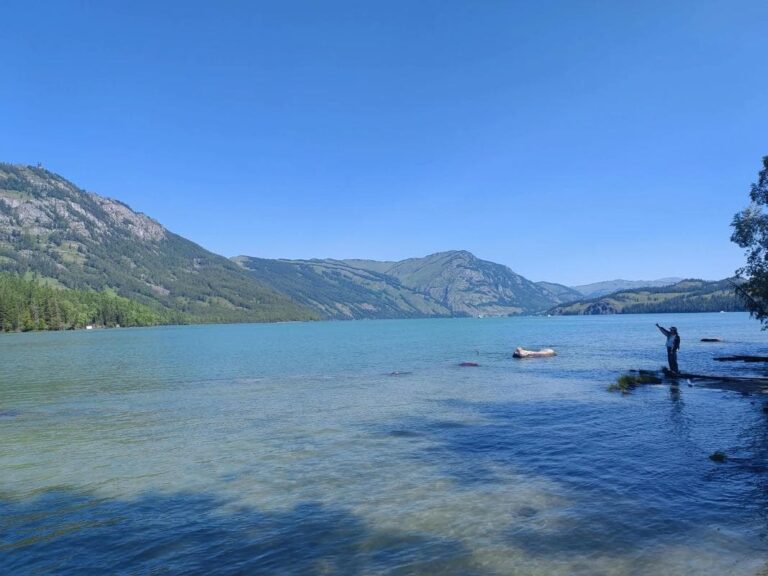
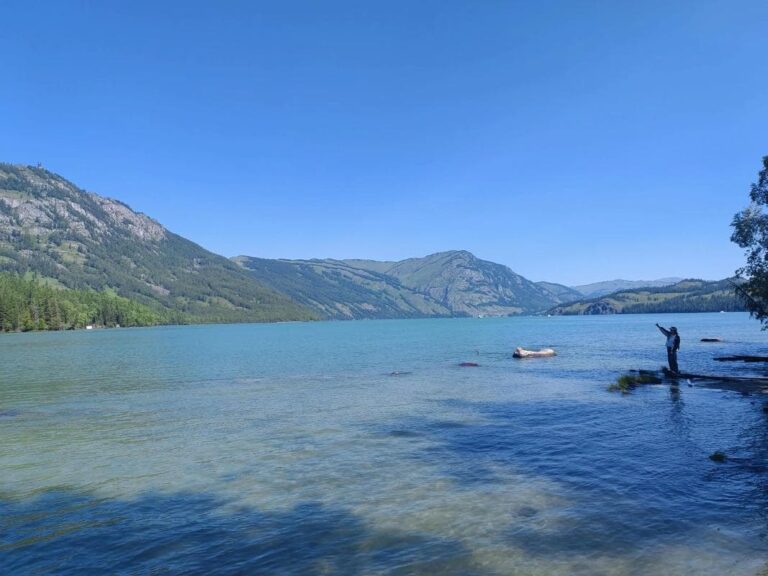
The north (around Urumqi, Ili, the Tianshan and Altai) is green, lake-studded and grassland-filled. The south (Kashgar, Hotan, the Tarim basin) is desert, oasis towns, and the deepest Silk Road culture. I’ve done lopsided trips of each and one grand loop of both — here is how to choose, because the wrong split wastes the one resource you can’t buy more of: time.
The Two Halves
| Factor | North (Bei Jiang) | South (Nan Jiang) |
|---|---|---|
| Landscape | Lakes, grasslands, forests | Deserts, oases, mountains |
| Signature sights | Kanas, Sayram, Ili, Duku | Kashgar, Pamir, Taklamakan |
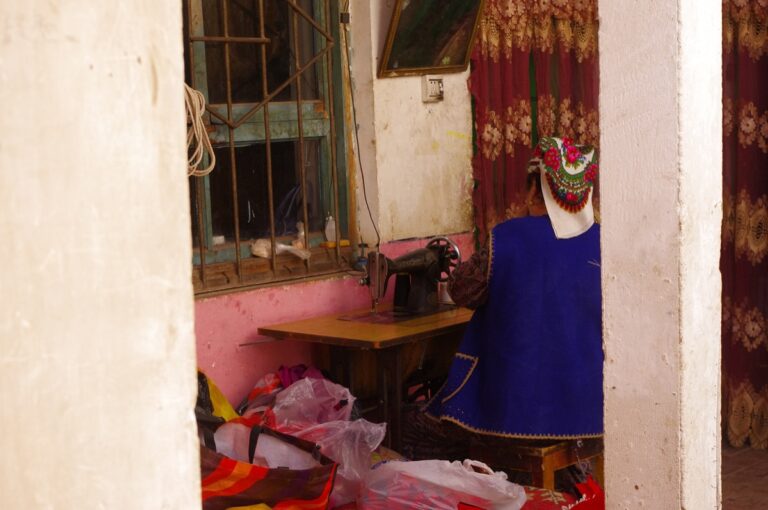
| Culture | Kazakh, Kyrgyz, Han | Uyghur, Tajik, deeply Silk Road |
| Best season | Jun–Oct (autumn = Kanas gold) | Apr–Oct (avoid summer heat) |
| Vibe | Scenic, nature-driven | Historical, cultural, rugged |
| Altitude | Moderate, some high passes | Kashgar low, Pamir very high |

If You Have One Week
Pick one half. North: Urumqi → Tianchi → Yining → Sayram → Naratı → (Duku if open) → back. South: Urumqi fly to Kashgar → old city → Pamir day trip → Hotan or Kuqa. Splitting a week across both means mostly driving and a shallow taste of each.
If You Have Two Weeks
Do the loop: north through Ili and the Duku, then south via Kuqa and the Taklamakan Highway to Kashgar, ending on the Pamir. This is the classic grand tour and uses the train or a driver to bridge the long legs. Two weeks lets you actually arrive somewhere instead of forever departing.
Matching to Your Interests
Photographers and hikers → north, especially autumn Kanas. Culture, markets, and history → south, especially Kashgar and the Pamir. Foodies win either way — the cuisine differs by half, so two trips means two menus, from northern dairy and pilaf to southern kebabs and naan.

When to go, and when to stay home
Spring and early summer
Barely, and it will be drive-heavy. Better to deeply do one half than rush both and remember only the highway. If you must, fly the long leg and train the short one.
Summer
The north is easier (better roads, lower altitude, more facilities). The south is more culturally intense but rougher, with less English and more distance between comforts.
September — north turns golden at Kanas and south cools to comfortable temps. The shoulder seasons beat summer crowds and the winter closures alike.
Autumn
No — it is calm and tourist-friendly. The challenges are heat, distance, and fewer English speakers, not safety. Standard travel caution applies as anywhere.
Winter
Standard tourist areas are open. The Pamir (south) may need a border-area permit obtainable in Kashgar; check current rules before going, as they change.
4
Roughly similar, but the south’s long desert drives add fuel/driver cost; the north’s scenic tickets (Kanas, Sayram) add entry fees. Budget both at mid-range and you’ll be safe.
Sample One-Week Plans
North (scenic): Day 1 Urumqi + Heavenly Lake; Day 2 fly/train to Yining; Day 3 Sayram Lake + Ili grasslands; Day 4 Nalati or Naratı yurt stay; Day 5 Duku Highway north–south (if open) to Kuqa; Day 6 Kuqa caves and oasis; Day 7 return north. South (cultural): Day 1 Urumqi; Day 2 fly to Kashgar; Day 3 old city + Sunday livestock market; Day 4 Pamir day trip (Karakul Lake); Day 5 Hotan or Yarkand; Day 6 Kuqa or Aksu; Day 7 return. Both are full but doable; neither rushes if you drop one stop. The mistake is trying to weld them into one week — that just produces a long, unhappy bus ride.
Sample Two-Week Loop
Start Urumqi → Heavenly Lake → Yining → Sayram → Ili grasslands → Duku → Kuqa → Aksu → Taklamakan Highway edge → Kashgar → Pamir (Tashkurgan, Karakul) → back to Kashgar → fly out. This uses the train or a driver for the long legs and a mix of buses and private cars for the scenic bits. Two weeks lets you actually arrive somewhere instead of forever departing, and it captures both the green north and the deep-south culture in one coherent arc. Book the Pamir permit and the Duku timing before you fly — those are the two constraints that can break an otherwise perfect loop.
Matching the Half to Your Interest
If your joy is landscape and light, the north wins — Kanas in autumn is among the most photographed places in China for good reason. If your joy is history, markets, and meeting people, the south wins — Kashgar’s old city and the Pamir’s Tajik hospitality are unforgettable. Foodies get a different menu in each half, so a return trip to the other side is rarely a repetition. And if you simply can’t choose, the two-week loop is the answer; it’s more driving, but it’s the only way to honestly say you’ve seen Xinjiang rather than a half of it.
The Honest Trade-Off
There’s no “better” half — there’s the half that fits you. The north is easier, greener, and more photogenic; the south is deeper, older, and more culturally intense. A first-timer with a week and a preference for scenery should take the north; a culture-focused traveller with the same week should take the south. The error is splitting a short trip across both and remembering neither. Commit to one half, go deep, and you’ll leave feeling you actually saw something. Come back for the other half — Xinjiang rewards a second trip more than almost anywhere I know, because each half is a complete journey on its own.
When to Do the Full Loop
The two-week loop is the answer only if you have the time and don’t mind the driving. It’s more miles and more logistics, but it’s the only way to honestly say you’ve seen the region rather than a slice of it. The constraint is the Duku’s summer-only opening and the Pamir permit — both must align with your dates. If they don’t, pick the half that fits the window rather than forcing the loop and fighting closures. Flexibility beats ambition here: a great one-week trip beats a frustrated two-week one. Plan around what’s open, not around an ideal you can’t quite reach.
The Simple Decision
If you take one thing from this: don’t try to see all of Xinjiang in one trip. Choose a half that matches your interests and your dates, go deep, and let the other half be the reason to return. The region is large enough that even a focused trip feels like a journey, and honest enough that a rushed one feels like a commute. Commit, relax, and the size that intimidates you becomes the thing you love most about it. Xinjiang is not a checklist to clear — it’s a place to return to, half by half, year by year.