
Best Area to Stay in Turpan: Oasis Towns, Grape Valleys, and the City Center
Turpan is the hottest, lowest, and one of the most historically layered places in Xinjiang. I have based here three times to explore the Silk Road ruins, and where you stay changes how you survive the heat and how fast you reach Jiaohe and the Grape Valley. Here is the breakdown from someone who has sweated through all three options.
Turpan City Center
The modern center near the bus station is the practical base: air-conditioned hotels, easy taxi access, and plenty of noodle shops. It is flat, bleak, and 45°C in July, but it is the launch point for every ruin. I stay here when ruins are the priority and I am doing a tight two-day loop. The trade-off is that the center itself has little charm—you are here to sleep and launch.
The Grape Valley (葡萄沟)
Just 10 km north, the Grape Valley is cooler, greener, and full of Uyghur courtyard guesthouses where you sleep under grape trellises. The trade-off is distance from the bus station and fewer dining options, but the evening shade is glorious. Many Turpan highlights are a short drive away, and the valley’s microclimate makes mornings and evenings genuinely pleasant even in peak summer.
What a Grape Valley Night Feels Like
After the day-trippers leave, the valley goes quiet except for irrigation water and the occasional nightingale. I once sat in a courtyard until midnight with the host family, eating grapes straight off the vine and drinking weak tea. That is the experience the city center cannot offer.
Qianshihua and the Quiet Oasis Villages
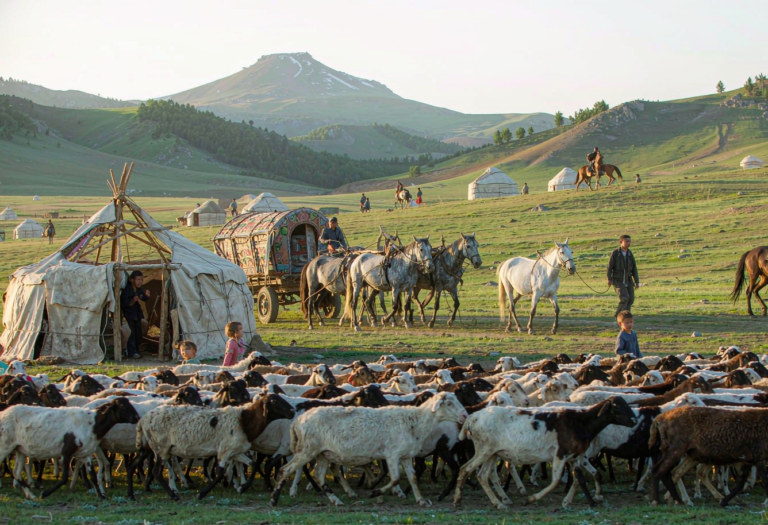
For travelers who want to escape tour buses, the smaller oasis villages west of town offer family guesthouses (家庭旅馆) with home-cooked polo and night silence broken only by wind in the reeds. These are harder to reach without your own car but reward you with the most authentic pacing.
Turpan Stay Comparison Table
| Base | Comfort | Price/night | Best for |
|---|---|---|---|
| City center | High | ¥240-480 | Transit, ruins |
| Grape Valley | Medium | ¥220-400 | Shade, culture |
| Oasis village | Low-Med | ¥180-320 | Quiet, local life |
Heat, Hydration, and Booking
Whatever you pick, confirm the room has working AC; “fan only” in August is miserable. Book the Grape Valley guesthouses a week ahead in summer. Pair your stay planning with the broader Xinjiang stay overview if you are stringing together regions, because Turpan pairs naturally with Urumqi and the desert highway.
My Recommended Turpan Loop
Base in the city center for two nights, do Jiaohe at dawn and the Grape Valley at dusk as day trips, and consider one night in the valley if you want the cool evening. Carry 2-3 liters of water per person per day in summer; the dryness dehydrates you faster than the temperature suggests.
Pairing Turpan With the Rest of the Loop
Turpan works best as a two-night stop between Urumqi and the south, not a standalone expedition. Base in the center for ruins, dip into the Grape Valley for one cooler evening, and resist the urge to also day-trip the Desert Highway—that is a different trip. The Jiaohe ruins at open are spectacular and empty; by noon the heat and crowds flatten the experience, so an early start from a central hotel is the trick.
Eating Well in the Heat
Turpan’s cold noodle dishes (liangpi-style) and watermelon from roadside stalls are the local answer to 45°C. Guesthouses in the Grape Valley often serve dinner family-style; accept it at least once, because the homemade polo there beat every restaurant I tried in the center. Hydration is not optional—keep a bottle in hand from breakfast.
Heat Management by the Hour
In summer, Turpan’s day splits cleanly: do outdoor ruins before 11 a.m. or after 6 p.m., and use midday for the cool Grape Valley shade or a long lunch. I once ignored this and walked Jiaohe at 2 p.m.; I made it, but only because I carried three liters and a hat. The locals’ rhythm—sleep through the worst heat, revive at dusk—is the correct one to borrow.
Booking the Grape Valley
Grape Valley guesthouses fill on weekends and holidays; a midweek stay is quieter and cheaper. Confirm whether your room has a real bed or a raised platform (kang), because some traditional rooms use the latter and it surprises first-timers. Either way, the night chorus of irrigation water and crickets is the kind of quiet you came for.
Jiaohe and Gaochang: Which Base
The two great Turpan ruins—Jiaohe and Gaochang—sit on opposite sides of the oasis. Staying central lets you split them across two cool mornings; staying in the Grape Valley adds a scenic evening but a longer dawn drive. I prefer central for a two-day ruin blitz, and the valley only if I am slowing down. The distance is not huge, but in 40°C heat every kilometer counts.
Water, Shade, and the Afternoon Pause
Turpan’s heat is not dramatic, it is relentless. I carry more water than feels reasonable and use the Grape Valley’s shade as my midday basecamp. Locals close shops at midday and reopen at dusk for a reason; borrowing that rhythm turned a hostile climate into a pleasant one. Your hotel’s AC is only half the battle—the other half is simply not being outside at 2 p.m.
Winter in Turpan
Far fewer visit in winter, but the oasis is crisp, the skies are clear, and the Grape Valley’s bare vines have their own quiet beauty. Hotels are cheap and empty. If you dislike crowds more than cold, a January Turpan with a warm guesthouse and a pile of dried fruit is a secret worth keeping.
Final Turpan Takeaways
Turpan is a heat-and-history town, and your base should serve both. The city center wins for ruin-hopping efficiency; the Grape Valley wins for a cooler, greener evening. For most trips I recommend the center with a single Grape Valley night, which captures the oasis charm without sacrificing the logistics that make Turpan easy.
Timing the Heat
Visit in April-May or September-October if you can; the summer is glorious for photos but punishing for midday walking. Whatever the season, build the day around the cool edges and rest through the peak. A well-chosen room with reliable AC is not a luxury here—it is the difference between enjoying the Silk Road ruins and merely surviving them.
Before You Book
Confirm AC in summer and heating in winter explicitly, because Turpan’s extremes expose weak climate control fast. A one-line message before paying prevents the “fan only” surprise that ruins a July night. The oasis is magical, but only if your room actually copes with the weather outside the thick adobe walls.
Quick Recap
Center for ruins, Grape Valley for one cooler evening. Turpan’s heat dictates the rhythm, so build days around the cool edges and rest through the peak. A room with reliable AC is not a luxury here—it is the difference between enjoying the Silk Road ruins and merely surviving them.
Answering the usual
Is the Grape Valley worth the extra distance?
If you visit in summer, absolutely: it is 5-8°C cooler and far prettier than the center.
Do hotels have AC?
City hotels do; some valley guesthouses rely on shade and evaporative coolers, so ask.
Can I reach the Flaming Mountains from here?
Yes, they are ~30 km east; a half-day taxi or tour covers them and Jiaohe.
Are there family guesthouses?
Yes, especially in the Grape Valley and smaller oasis villages.
What is the best season to stay?
April-May and September-October are comfortable; July-August is brutally hot.