Autumn in Xinjiang: The Golden Season Travel Guide (September–November)
Autumn in Xinjiang is widely described by travel operators and visitor reports as the region’s most photogenic window, when larch and poplar forests turn gold across the north and the southern deserts glow before winter. This article is compiled from public park notices, transport schedules, and traveler accounts rather than a single personal trip, so readers should treat specific prices and dates as guidance to confirm before booking.
Autumn in Xinjiang: Why Travelers Call It the Best Season
The following overview is drawn from publicly available park data and aggregated traveler reports. It is not based on the author’s own visit. Travelers report that the appeal of autumn lies in three factors: cooler daytime temperatures that make long drives comfortable, stable high-pressure weather that produces clear skies for photography, and a concentrated colour window that is shorter and more predictable than spring blooms. Official sources state that northern scenic zones such as Kanas reach peak larch colour for roughly two to three weeks in late September and early October, while southern Xinjiang Desert Poplar Forest areas peak later, often in mid to late October. Harvest season activity also adds cultural interest, with grape and melon markets still active in many oasis towns through September. Travelers consistently rank autumn above summer for photo quality because summer haze and crowds are reduced.

What you need up front
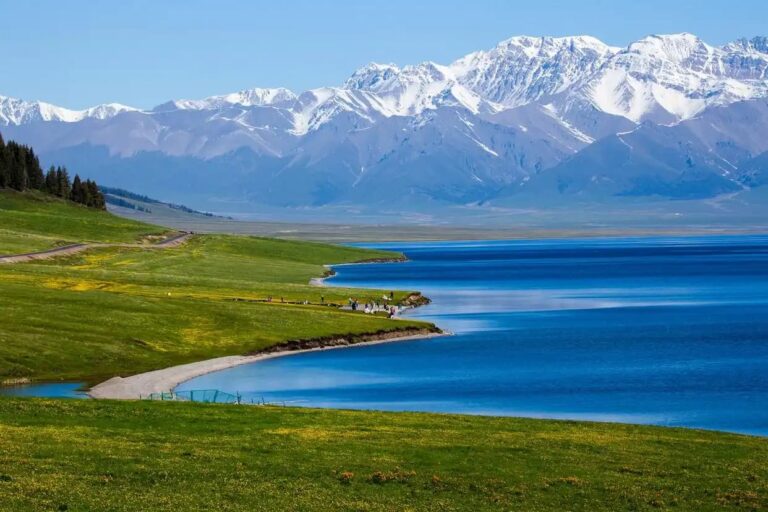
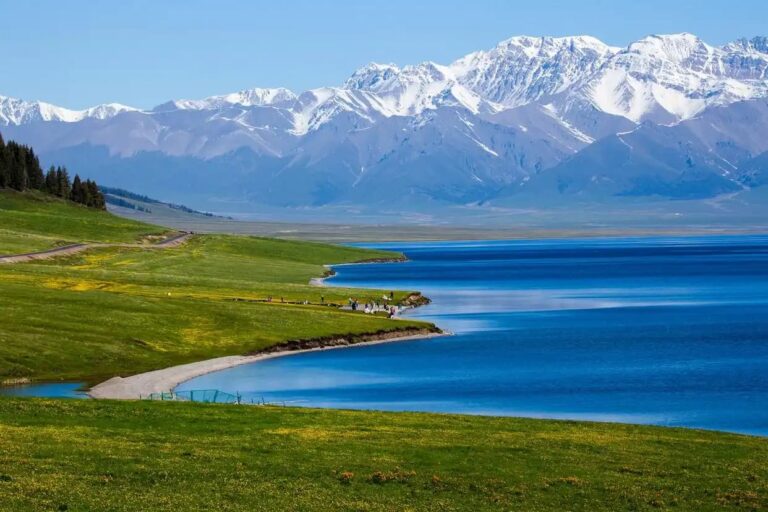
Xinjiang spans a huge area, and autumn conditions differ by region. Northern Xinjiang (Altay, Kanas, Hemu, Baihaba) is known for conifer and larch colour around alpine lakes. Southern Xinjiang (Tarim Basin, Luntai, Yuli) is known for desert poplar (Populus euphratica) forests. Central corridors around Urumqi and Turpan offer harvest markets and early colour on avenue trees.
| Region | Signature autumn sight | Typical peak colour | Base elevation |
|---|---|---|---|
| Northern Xinjiang (Altay) | Golden larch, Kanas Lake reflections | Late Sept to early Oct | 1,000 to 1,500 m |
| Southern Xinjiang (Tarim) | Desert poplar forest | Mid to late Oct | 900 to 1,100 m |
| Central corridor (Urumqi, Turpan) | Harvest markets, avenue trees | Early to mid Oct | 400 to 800 m |
Travelers report that distances between regions are large, so most autumn trips focus on either the north or the south rather than both in one short visit.
Arriving and getting about
Most international and domestic travelers enter via Urumqi Diwopu International Airport (URC). From Urumqi, northern autumn routes usually continue by domestic flight to Altay (AAT) or by long-distance train and coach toward Burqin, the gateway town for Kanas. Official schedules state that direct flights Urumqi to Altay run year round, with increased frequency in peak autumn weeks. Southern poplar routes typically use Urumqi to Korla (KRL) flights or the Urumqi to Korla railway, then road transfer toward Luntai and the Tarim poplar reserve.
Travelers report that self-driving is common for autumn colour trips because scenic zones are scattered. The Northern Xinjiang Road Trip route is frequently used to link Urumqi, Burqin, Kanas, and Hemu. Note that private cars are restricted inside the Kanas scenic management zone, and visitors must use park shuttle buses after the entrance.
What you pay
Prices below are compiled from public park notices and traveler reports and are stated with reference years. They change, so confirm locally before travel.
| Item | Reported price | Year reference | Notes |
|---|---|---|---|
| Kanas scenic zone entry | 160 RMB | 2025 | Peak season bracket; off-peak lower |
| Kanas shuttle bus (within zone) | 70 to 100 RMB | 2025 | Round trip, mandatory after entrance |
| Hemu village entry | 50 to 80 RMB | 2025 | Combined passes sometimes available |
| Tarim poplar forest reserve | 40 to 60 RMB | 2025 | Plus separate shuttle if used |
| Urumqi to Altay flight | 400 to 900 RMB | 2025 | Varies by booking lead time |
For a fuller cost picture, see the Xinjiang travel budget breakdown, which covers daily food, lodging, and transport ranges. Travelers report that autumn is not the cheapest season in the north because Kanas lodging rates rise during the colour peak, while southern poplar trips can be lower cost outside holiday weeks.

Choosing months
The best window depends on which sight matters most. Autumn in Xinjiang is not one single month but a moving colour front that travels from north to south. Northern larch and Kanas colour usually starts in late September, with the most reliable golden window in the first half of October. Southern poplar forests peak later, commonly in the second half of October. Travelers report that the first week of October around National Day holiday brings the largest crowds and the highest lodging prices in the north, so a trip timed for the second or third week of October can balance colour and crowd levels for poplar areas.
| Period | Northern larch / Kanas | Southern poplar | Crowd level |
|---|---|---|---|
| Early Sept | Green to patchy yellow | Mostly green | Low |
| Late Sept to early Oct | Peak gold | Starting to turn | High near holiday |
| Mid to late Oct | Past peak, some fall | Peak gold | Moderate |
| Early Nov | Winter approach | Past peak | Low |
For a season-by-season comparison beyond autumn, the best time to visit Xinjiang guide covers spring, summer, and winter conditions.
Days one onward
Below is a 5-day northern Xinjiang autumn sample built from common operator schedules and traveler routings. Clock times are typical and should be confirmed with local transport.
| Day | Time | Activity | Notes |
|---|---|---|---|
| Day 1 | 08:00 to 12:00 | Fly Urumqi to Altay, transfer to Burqin | Book morning flight |
| Day 1 | 15:00 to 19:00 | Walk Burqin riverside, evening market | Harvest season produce |
| Day 2 | 07:30 to 10:00 | Drive Burqin to Kanas entrance, shuttle in | Enter early for light |
| Day 2 | 11:00 to 17:00 | Kanas Lake shore, Kanas Lake viewpoint | Photography window |
| Day 3 | 06:30 to 09:00 | Hemu village sunrise and wooden houses | Golden larch backdrop |
| Day 3 | 13:00 to 18:00 | Hemu to Baihaba border village | Border permit needed |
| Day 4 | 09:00 to 16:00 | Return toward Burqin, stop at Colorful Beach | Afternoon light best |
| Day 5 | 08:00 to 12:00 | Transfer to Altay, fly to Urumqi | Buffer for delays |
Travelers report that adding one rest day improves the trip because mountain weather can delay roads. Southern poplar trips follow a different rhythm, often based in Korla or Luntai with single-day reserve visits.

Choosing a room
Lodging varies by zone. Inside Kanas and Hemu, travelers report that guesthouses and wooden cabins are the standard, with prices rising sharply during the October colour peak. Booking several weeks ahead is commonly advised for the first two weeks of October. In Burqin and Altay, more standard hotels are available at lower rates, and many travelers stay there and enter the scenic zone as a day trip. For southern poplar trips, Korla offers the widest hotel choice, while Luntai provides closer access to the reserve with fewer options.
Travelers note that heating is usually available in autumn lodgings at altitude, but budget cabins may be basic. Confirm whether breakfast is included, since remote guesthouses often serve simple morning meals only.
What & Where to Eat Nearby
Autumn is a strong season for food because of the harvest. Travelers report reliable options including laghman noodles, roasted mutton skewers, hand-pulled noodles with pumpkin or tomato, and fresh grape and melon from oasis markets. In Burqin, the riverside night market is frequently mentioned for grilled fish from the Burqin river system and hot milk tea. In Korla and southern towns, poplar-region travelers describe red date, walnut, and grape products as common roadside purchases.
For self-catering, larger towns such as Urumqi, Altay, and Korla have supermarkets with fruit and bread. Inside remote scenic zones, food choice is limited and prices are higher, so travelers often carry snacks and water for day trips.
What to actually watch for
Travelers and official notices suggest the following for autumn trips:
- Pack layers. Daytime can be mild, but early morning at altitude drops near freezing in October.
- Confirm park entry prices and shuttle times locally, since autumn schedules shift with weather and holiday demand.
- Carry ID and, for border villages like Baihaba, arrange the required permit in advance.
- Bring a spare memory card and battery. Photography is the main draw, and cold drains batteries faster.
- Book north-route lodging early for the first two weeks of October; southern poplar trips have more flexibility.
- Respect restricted driving zones. Private cars cannot enter the core Kanas management area; use park shuttles.
- Check road status before long drives. Early November snow can close mountain passes without notice.
What people want to know
Is Autumn in Xinjiang better for photography than summer?
Travelers and operators report that autumn generally offers clearer skies, less haze, and concentrated colour, which makes it preferred for landscape photography despite colder mornings.
Can I see both Kanas larch and desert poplar in one trip?
It is possible but tight. Northern larch peaks in early October and southern poplar in late October, so a trip of 10 to 14 days with internal flights is usually needed. Most travelers choose one region.
Do I need a permit for Kanas or Hemu?
Standard entry uses scenic zone tickets and shuttles. Border villages such as Baihaba require an additional permit that travelers arrange through the park or local police station.
Are prices lower if I visit after National Day holiday?
Travelers report that northern lodging prices often drop after the first week of October, while colour may still hold in some years. Southern poplar trips peak later, so late October can be both colourful and less crowded than early October north.
What clothing works for a September to November visit?
Layers are key. September is mild, October brings frost at altitude, and November can see the first snow. A warm jacket, hat, and gloves are commonly advised for early starts.
Is self-driving allowed inside Kanas scenic zone?
No. Official rules state private vehicles must park outside and visitors use mandated shuttle buses inside the Kanas management area.
How reliable is the autumn colour timing?
Travelers report that the north window is fairly consistent year to year but shifts by one to two weeks with temperature. Southern poplar timing depends more on first frost, so local notices are the best check.