The Dungan (Hui) of Xinjiang: China’s Muslim Noodle Masters
Most travelers come to Xinjiang for the Uyghur muqam, the Kazakh horse games, or the Tajik hospitality of the Pamir. Almost nobody arrives looking for the Dungans — and that is a mistake. The Dungans (东干族, also called Hui) are Chinese-speaking Muslims whose ancestors fled Qing-era rebellions and Tsarist Russia in the 19th century, settled in Kyrgyzstan and Kazakhstan, and then, for many, moved again into northwestern China. Today they run some of the best noodle houses in the region and keep alive a culture that is part Hui, part Central Asian, and entirely their own. Here is how to meet them.
Who are the Dungans?
The Dungan are an ethnic group of Muslim Han Chinese origin. Their forebears were Hui from Gansu and Shaanxi who joined the mid-1800s uprisings, then crossed into the Russian Empire after defeat. They built villages in what is now Kyrgyzstan and Kazakhstan, preserved their Islam, and developed a distinct identity. In the 20th century, populations shifted again, and today sizable Dungan communities live around Changji, Yining, and Bortala in Xinjiang, as well as across the border in Central Asia.
A language unlike any other
Dungan is spoken, not written in its traditional form — and when it is written, it uses the Cyrillic alphabet, a legacy of Soviet Central Asia. The result is a dialect of Mandarin full of Persian, Arabic, and Russian loanwords, spoken with a Gansu-Shaanxi accent but readable to no one but another Dungan if penned in Cyrillic. It is one of the great linguistic curiosities of the Silk Road.
| Feature | Dungan | Mandarin | Uyghur |
|---|---|---|---|
| Writing system | Cyrillic (when written) | Han characters | Arabic script |
| Base language | Central Plains Mandarin | Mandarin | Turkic |
| Key loanwords | Russian, Persian, Arabic | English, Japanese | Persian, Arabic, Russian |
| Religion | Islam (Sunni) | Varied | Islam (Sunni) |
From Kygyzstan to Changji: the migration story
The short version: Hui rebels → flight north → villages near Bishkek and Almaty → gradual movement into Xinjiang’s fertile north, especially the Ili valley. What they carried was a cuisine, a faith, and a dialect. What they built was a reputation as extraordinary cooks and traders. If you eat a memorable bowl of hand-pulled noodles in Yining, there is a good chance a Dungan kitchen is behind it.
Dungan food: the bridge between China and Central Asia
Dungan cooking looks Chinese but tastes of the steppe. They fry, braise, and pull noodles with Central Asian spice sense and Chinese technique. It is the comfort-food heart of the region’s culinary map, sitting between the Uyghur laghman tradition and Han stir-fry.
| Dish | Origin note | Where you’ll find it |
|---|---|---|
| Qieda’er (raised dough nuggets) | Gansu Hui staple | Dungan noodle houses, Ili |
| Bian shi (flat finger noodles) | Hand-pinched, soup-based | Changji, Yining |
| Da pan ji style adaptations | Hui take on the Uyghur classic | Every Dungan town |
| Fried pastries & sesame bread | Market sweets | Morning bazaars |
The legendary Dungan noodles
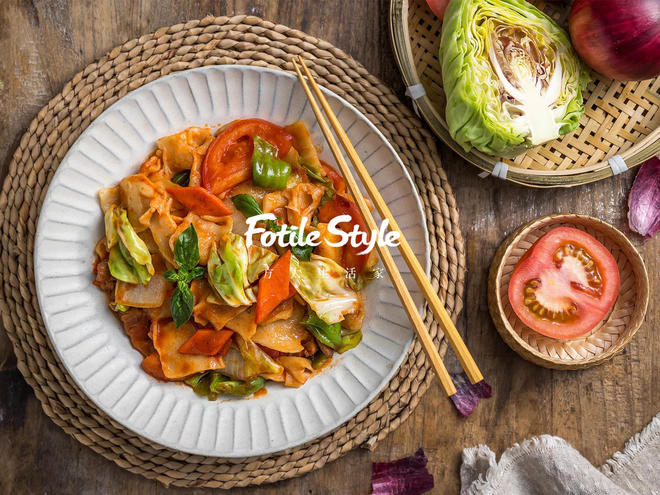
A Dungan noodle master pulls dough into ribbons so fast it looks like sleight of hand. The broth is clear, the toppings simple — tomato, greens, a little chili oil. Order “qieda’er” and watch the cook work; in many houses the making is part of the show. It is also halal, prepared to Islamic standards like the rest of the region’s Muslim cooking.
Sweet treats and tea
Dungan homes serve strong tea and a parade of fried sweets, especially during holidays. If invited, accept — refusing the tea is the only real faux pas. The hospitality echoes what you will find in Kashgar Old City, though the language at the table will be Mandarin, not Turkic.
Where to meet Dungans today
| Town / area | Community | What to do |
|---|---|---|
| Changji Hui Autonomous Prefecture | Large Dungan/Hui population | Eat at Hui noodle houses, visit the mosque quarter |
| Yining (Gulja), Ili | Mixed Dungan, Kazakh, Uyghur | Morning market, Dungan breakfast spots |
| Bortala / Jinghe | Smaller Dungan villages | Village teahouses, rural guesthouses |
| Across the border (Kyrgyzstan) | Dungan heartland diaspora | Village festivals, if your route allows |
Etiquette when visiting a Dungan home
The rules mirror broader Muslim hospitality in Xinjiang: remove shoes, accept tea, use your right hand, and don’t push alcohol. Because Dungans are Chinese-speaking, you can often communicate in Mandarin where Uyghur would fail you — a real advantage for independent travelers. A few words of thanks in Mandarin go a long way.
How Dungans differ from Uyghurs and Han
Unlike Uyghurs, Dungans speak a Chinese language and trace roots to the Han Chinese heartland. Unlike the Han majority, they are practising Muslims with a Central Asian food culture. They are the cultural hinge of the region — and the easiest “bridge” community for a Chinese-speaking visitor to connect with.
Dungan music, storytelling, and community life
Dungan culture is oral. Songs passed from grandmothers carry the memory of the long flight north, sung in a Mandarin that no one in central China would recognize. Village evenings often center on a courtyard, a samovar, and a singer with a two-stringed instrument. You will not find staged “shows” the way you might for Uyghur muqam in a city theater; the culture lives in homes and at weddings, which are the best places to see it if you are invited.
Festivals worth timing
Like other Muslim communities here, Dungans mark the lunar Eid al-Fitr and the sacrifice festival Eid al-Adha, plus the Spring Festival in the Chinese calendar — a rare double observance that reflects their blended identity. If your trip lands on Eid, a Dungan village is one of the warmest places to witness it: communal prayers, then days of visiting, feasting, and noodle-making.
A typical Dungan market morning
Get to a Dungan town market before eight and you will see the culture in motion. Old men in white caps drink tea at low tables; women sell hand-pulled noodles by the kilogram; a vendor flips sesame bread on a clay oven. Order a bowl, watch the pull, and you are halfway to understanding the community. It is low-key, un-touristed, and far more intimate than the big bazaars — a reminder that Xinjiang’s richness is not only in its famous sites but in these quiet, hybrid communities. Spend a morning there and you leave with a fuller picture of what “Xinjiang” actually means.
What tends to go sideways
The trap here: Dungans speak chinese
Yes. Dungan is a form of Mandarin, so most Dungans also speak standard Chinese fluently. In Xinjiang you can usually communicate in Mandarin where Turkic languages would not work.
Where people slip: Dungans muslim
Yes, the Dungan are Sunni Muslims, and their food is halal. Their religious practice links them culturally to the Uyghurs and Kazakhs even though their language is Chinese.
The usual error: Biggest dungan community in xinjiang
Around the Changji Hui Autonomous Prefecture and in Yining within the Ili valley. Both have visible Dungan neighborhoods, markets, and noodle houses.
Easy to get this wrong: Food is uniquely dungan
Hand-pulled and hand-pinched noodles like qieda’er and bian shi, plus halal fried pastries. Think Chinese technique with Central Asian seasoning.
The trap here: Visiting a dungan village
Yes. Changji and Yining are accessible by road and rail, and village teahouses welcome visitors. Ask before photographing people, as everywhere in the region.
Where people slip: Dungans different from uyghurs
Different language family (Chinese vs Turkic), different ancestral homeland (central China vs the Tarim basin), same religion. They complement each other in Xinjiang’s Muslim cultural mix; you can see the overlap during Xinjiang festivals.